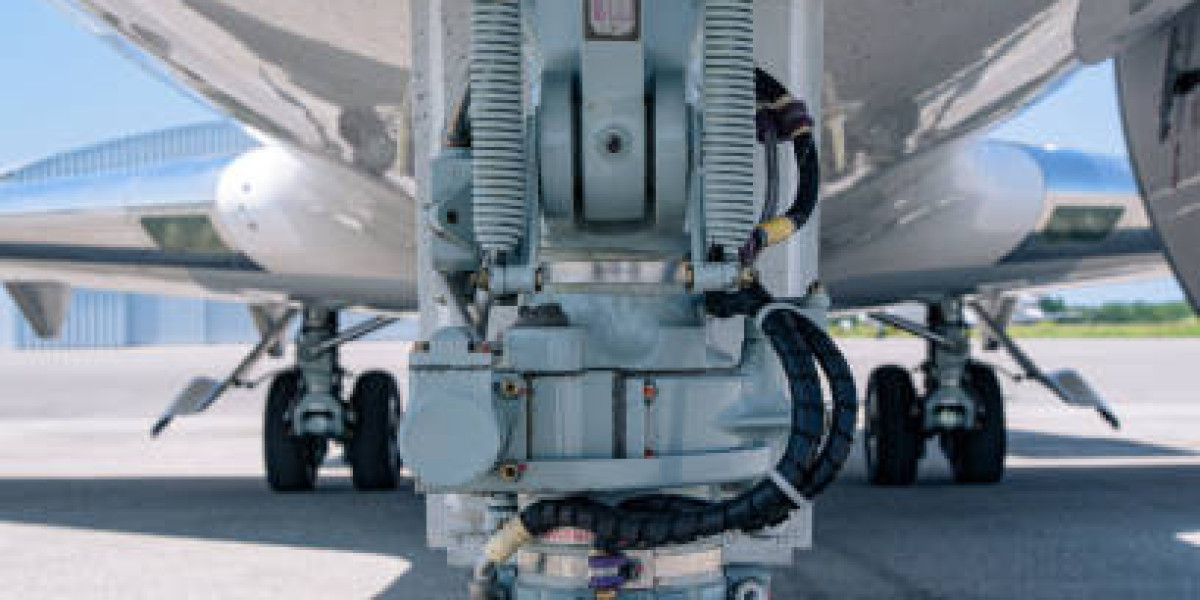

The Aerospace Landing Gear Market reached a valuation of 9.726 USD Billion in 2024, highlighting the essential role of landing gear in aviation safety and aircraft performance. As global air traffic expands, airlines and aircraft manufacturers are investing in technologically advanced landing gear systems to ensure reliability during takeoff, landing, and taxiing operations. With projections to grow to 16.87 USD Billion by 2035 and a CAGR of 5.13%, the market is driven by fleet modernization, rising air travel demand, and innovations in lightweight and durable materials.
Modern aircraft landing gear systems are evolving to accommodate higher operational speeds, heavier loads, and enhanced fuel efficiency. Advanced landing gear actuation technologies—including hydraulic, electro-mechanical, and hybrid systems—are enhancing responsiveness and reducing maintenance requirements. The integration of predictive maintenance systems allows operators to identify potential issues before they impact safety or performance, improving overall operational reliability.
The market is also witnessing strong demand for advanced aerospace landing gear components, such as high-strength wheels, shock absorbers, and braking systems designed to withstand extreme stress. With increasing adoption of composite materials, manufacturers can reduce landing gear weight without compromising durability. This not only enhances fuel efficiency but also allows aircraft to carry higher payloads and operate on shorter runways.
For aviation professionals and stakeholders, exploring innovative landing gear technologies provides insight into evolving designs, performance improvements, and maintenance efficiencies. The aerospace landing gear market is expected to grow steadily from 10.23 USD Billion in 2025 to 16.87 USD Billion by 2035, fueled by rising aircraft deliveries in Asia-Pacific and North America, fleet modernization, and increasing passenger traffic.
The push for lighter, more durable, and efficient landing gear solutions is reshaping the industry. Retractable systems enhance aerodynamics and reduce drag during flight, while electro-mechanical actuation reduces maintenance costs and energy consumption. Advanced monitoring and sensor integration allow real-time diagnostics, supporting predictive maintenance strategies that save costs and improve operational reliability.
FAQs:
What is the function of aerospace landing gear?
Landing gear supports aircraft during takeoff, landing, and taxiing while absorbing shock and maintaining stability.What types of landing gear are common?
Tricycle, tailwheel, retractable, fixed, and electro-mechanical landing gear.Which technologies are driving growth?
Lightweight materials, advanced shock absorbers, electro-mechanical systems, and predictive maintenance solutions.
Discover More Research Reports by Market Research Future:
Airborne Telemetry Market Research Report — Global Forecast till 2035
Micro Drone Market Research Report - Global Forecast till 2035
Space Traffic Management Market Research Report – Forecast Till 2035
Ultralight And Light Aircraft Market Research Report - Global Forecast till 2035
Unit Load Device Market Research Report - Global Forecast till 2035