
PRP Hair Therapy has become a leading non-surgical solution for individuals struggling with receding hairlines. Hairline recession, particularly in the frontal and temple regions, can significantly impact appearance and self-confidence. PRP treatment hair utilizes platelet-rich plasma derived from the patient’s own blood to stimulate dormant follicles, improve blood circulation to the scalp, and encourage natural hair regrowth. By targeting thinning areas early, PRP therapy not only helps restore a more youthful hairline but also strengthens existing hair and slows further recession.
Understanding Receding Hairlines:
Receding hairlines typically start with thinning at the temples or frontal scalp and progress gradually. Important aspects include:
Commonly caused by genetics, hormones, and aging
Early detection allows more effective intervention
Thinning hair in these areas often still contains viable follicles
Visible symptoms include widening temples and reduced hair density
Identifying hairline changes early is critical for maximizing the benefits of PRP therapy.
How PRP Stimulates Hair Growth:
PRP therapy involves processing a patient’s blood to concentrate platelets and growth factors, which are then injected into thinning areas. Benefits for receding hairlines include:
Activating dormant hair follicles
Strengthening weak existing strands
Enhancing scalp blood flow and nutrient delivery
Supporting overall follicular health and regeneration
This targeted approach helps restore density and encourages the natural restoration of the hairline.
Ideal Candidates for PRP Therapy:
Not all patients are equally suited for PRP treatment hair. Ideal candidates include:
Individuals in early to moderate stages of hairline recession
Patients with healthy scalp tissue and viable follicles
Men and women experiencing gradual frontal hair thinning
Those seeking non-surgical interventions for hair restoration
Advanced baldness or significant scarring may require complementary procedures, such as hair transplants, for optimal results.
The PRP Treatment Process:
The procedure is minimally invasive and typically performed in a clinical setting. Steps include:
Blood collection from the patient
Centrifugation to isolate platelet-rich plasma
Application of topical anesthetic to reduce discomfort
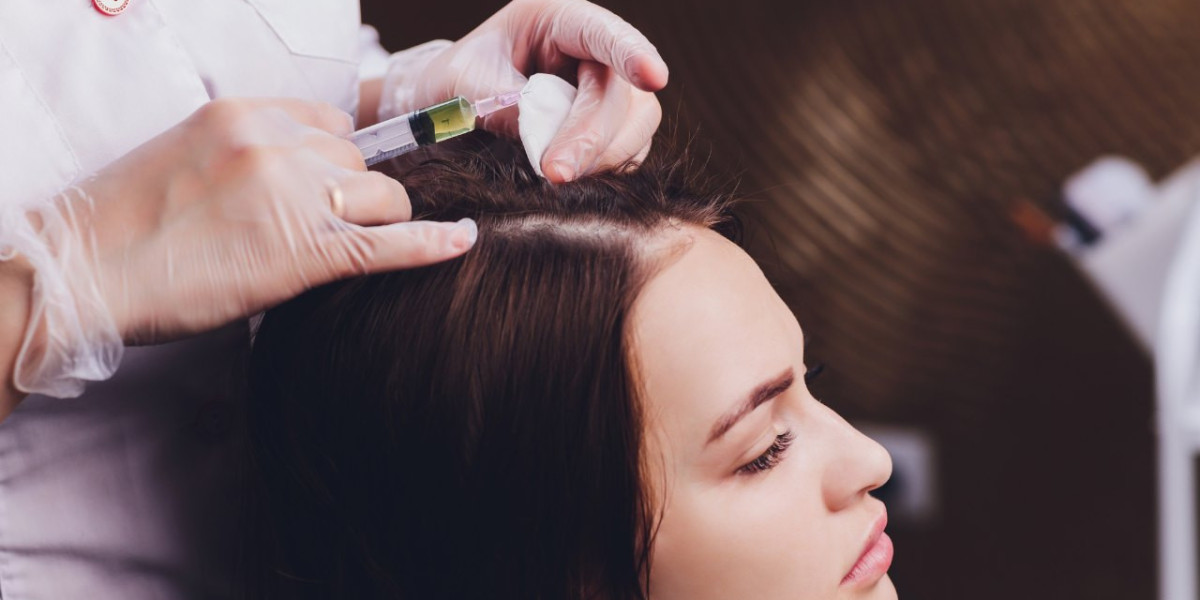
Injection of PRP into targeted areas along the hairline
Post-treatment guidance and follow-up sessions
Understanding the process helps patients feel prepared and comfortable before undergoing therapy.
Expected Results and Timeline:
PRP treatment hair delivers gradual improvements, with visible changes depending on hair loss severity and individual response. General expectations include:
Reduced hair shedding within 4–6 weeks
Noticeable regrowth and increased density at 3–6 months
Optimal outcomes after 3–4 sessions spaced 4–6 weeks apart
Maintenance sessions every 4–6 months recommended to sustain results
Patience and adherence to the schedule are key to achieving long-lasting improvements.
Safety and Side Effects:
PRP therapy is safe, as it uses the patient’s own blood, minimizing risk. Considerations include:
Temporary redness, swelling, or tenderness at injection sites
Mild bruising that typically resolves naturally
Minimal downtime for daily activities
Very low risk of allergic reactions or systemic complications
Following post-treatment care instructions ensures a safe and effective experience.
Supporting Hairline Health:
Complementary practices can enhance PRP results and prolong benefits. Recommended measures include:
Consuming a nutrient-rich diet to strengthen hair follicles
Managing stress through exercise or mindfulness
Avoiding harsh chemicals or excessive heat styling
Using gentle hair care products to protect new growth
Adopting these habits alongside PRP treatment hair promotes healthier, more resilient hairlines.
Monitoring Progress and Maintenance:
Regular follow-ups help track results and determine if additional sessions are needed. Key points include:
Photographing the hairline periodically to observe changes
Noting shedding patterns or density fluctuations
Consulting the specialist if hair growth plateaus
Scheduling maintenance sessions to ensure long-term hairline stability
Consistent monitoring supports continued improvement and preserves results.
Final Thoughts:
PRP treatment hair provides a non-surgical, scientifically backed option for addressing receding hairlines. By stimulating dormant follicles, enhancing scalp health, and promoting gradual regrowth, PRP therapy can restore a natural-looking hairline while slowing further recession. Early intervention, adherence to treatment schedules, and supportive hair care routines are essential for optimal results. For those experiencing thinning along the temples or frontal scalp, PRP offers a safe, effective, and minimally invasive approach to regaining confidence and maintaining a youthful hairline.