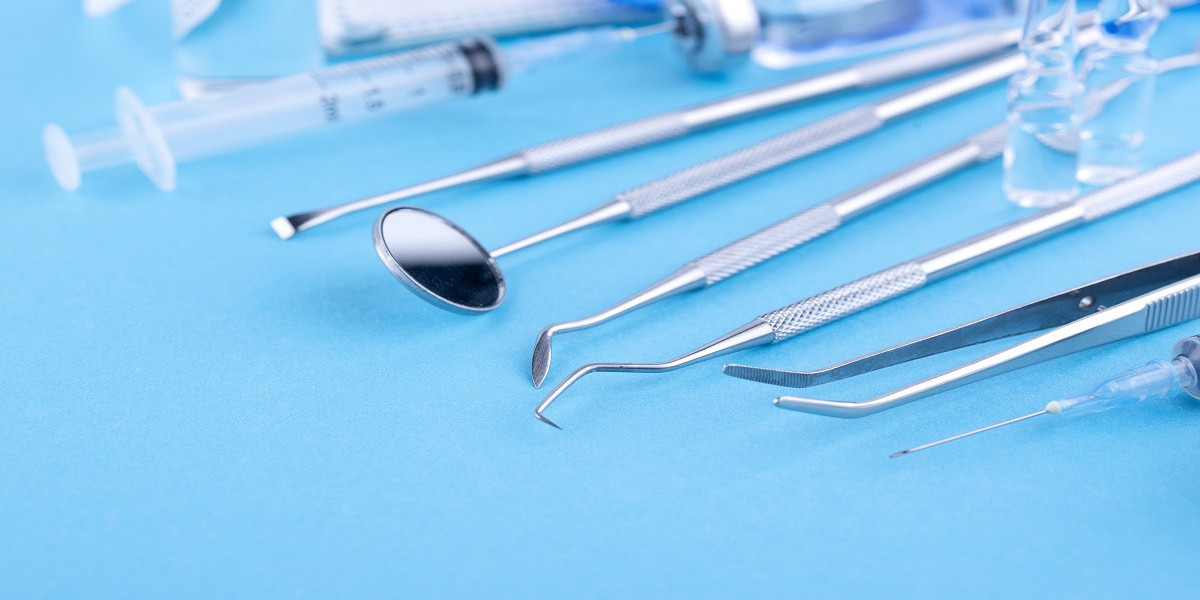

Dental Instruments, Surgical Sets, and Implant Kits for Modern Dentistry
With the current competitive nature of the healthcare system, the dental field has been developing using advanced technologies, better clinical practices, and innovative ways of treatment. The core of this development has been centered on Dental Tools, surgical equipment, and implant kits that foster proper diagnosis, safe practice, and patient satisfaction in the long run. The tools are crucial in determining the outcome of treatment, reputation, and efficiency of the profession. Whether it is a normal check up or complicated implant surgery, all procedures require well-maintained equipment. The contemporary dental practitioners need equipment that is durable, ergonomically designed and precise. The quality of the instruments invested in enhances the workflow and instills trust and confidence with the patient. With increasing expectations of the patients, clinics with a well-developed equipment are at a great advantage to provide successful and consistent dental treatment to patients.
Significance of Quality Dental Equipment
Dentistry is a field that involves a lot of precision and precision. Low quality instruments may undermine safety and performance. Standard equipment of high quality facilitates constant outcome and reduces clinical risks.
Favoring Clinical Accuracy
The well engineered dental instruments provide superior grip, balance, and control. This enables the practitioners to carry out procedures with more certainty and precision.
Enhancing Patient Comfort
Pain relieving tools will save time and pain during the treatment. Patients will have easier procedures and gain more confidence in dental services.
Introduction to Dental Instruments
Dental instruments have their purposes on clinical functions. They facilitate diagnosis, treatment and preventive care in day to day practice.
Diagnostic and Preventative Tools
Mouth mirrors, periodontal probes, and explorers are used to determine oral problems. Preventive treatments are facilitated by scalers and polishers.
Restorative and Surgical Instruments
Restorative and surgical procedures require the use of forceps, elevators, curettes and drills. They are reliable and thus safe and effective treatment.
Impact of Surgical Sets on Dental Procedures
Surgical sets are sets of instruments that are ready to use in certain procedures. They enhance efficiency and shorten the preparation time.
Workflow Optimization
Ready-made operating kits make sure that one is equipped with the necessary tools. This minimizes interruptions to carry out smooth operations.
Supporting Treatment, Special
Various surgical sets are used in the placement of implants, extractions, periodontal surgery, and oral rehabilitation. The use of specialized tools helps to increase accuracy.
Knowledge of Implant Kits
Implants kits are complete systems that are applied in dental implant placement and restoration. They are very vital in replacing teeth in the long term.
Components of Implant Kits
Components required are implant drills, drivers, depth gauges, torque wrenches and fixtures. Every component promotes proper positioning.
Ensuring Implant Stability
We can use high quality of the implant tools to enhance the process of osseointegration and minimise the rate of failure. This brings about superior long term outcomes.
Material and manufacturing standards
Dental tools have a dependence on how they are made and their quality of materials.
Medical Grade Materials
Titanium and stainless steel are corrosion-resistant and strong. These materials are sharp and stable.
Certification and Compliance
Certified instruments comply with the healthcare international standards. Safety and professional reliability is provided by compliance.
Sterilizing and Maintenance Practice
The correct maintenance safeguards the clients and the professionals. The infection control requires sterilization.
Cleaning Procedures
Instant cleaning gets away debris and organic matter. Hygiene effectiveness is enhanced by ultrasonic cleaners.
Sterilization Methods
Harmful microorganisms are killed by autoclaving and chemical sterilization. Constant checks allow the provision of similar outcomes.
Hypothesis, Digital Dentistry Integration
Current dental equipment is less and less manual. Planning and precision is enhanced by digital integration.
Computer Guided Implant Systems
Placement accuracy is increased with the help of digital guides and compatible kits. This minimizes problems and recovery period.
Digital Documentation
Connection to the imaging systems enhances record management and assessment of the treatment.
Choosing Suppliers of Reliable Equipment
The selection of the appropriate supplier will provide the long-term performance and professional assistance.
The Assessment of the Quality of Products
The clinics are to evaluate material standards, warranties, and review. Investment is secured by quality assurance.
After Sales Services
Equipment usage is enhanced through training, maintenance assistance, and spares. Confidence is based on reliable service.
Economic Paybacks of Quality Instruments
High Quality devices are those that present long term financial merits in spite of the increased cost.
Decreased Replacement Frequency
Durable instruments are less prone to replacement and last longer. This reduces the costs of operation.
Greater Productivity of Practice
Relevant devices minimize the duration of the procedures. Increased productivity enhances revenue prospects.
The New Dental Equipment Trends
Dental technology has been experiencing innovation and research. The future tools are aimed at automation and customization.
Modern dentistry is being influenced by smart instruments, robotic help, eco friendly materials, and tailor made implants kits. AI-controlled and digital-oriented systems are enhancing patient and clinical accuracy.
Conclusion
The success of modern dentistry requires dental instruments, surgical sets, and implants kits. They affect the accuracy of treatment, patient safety and clinical efficiency. Investment into the high quality tools enables dental practices to enhance their performance in the long term and build their professional reputation. The appropriate maintenance, the consistentity of suppliers, and the technological integration contribute to the results further. With the further development of dentistry, reliable equipment will be the key to patient satisfaction and the further development of the practice.
FAQS
Q1: What is the significance of quality dental instruments?
A: They guarantee accuracy, security, and predictability of treatment.
Q2: How frequently do you change the dental tools?
A: The replacement is based on usage, maintenance, and the durability of the material.
Q3: What is an implant kit supposed to contain?
A: It must include exercises, pedals, indicators, and torque equipment.
Q4: What can clinics do to be able to sustain sterilization?
A: Using proper cleaning, autoclaving, and monitoring.
Q5: Is the use of the top dental tools economical?
A: Yes, they save in the long term and enhance performance.