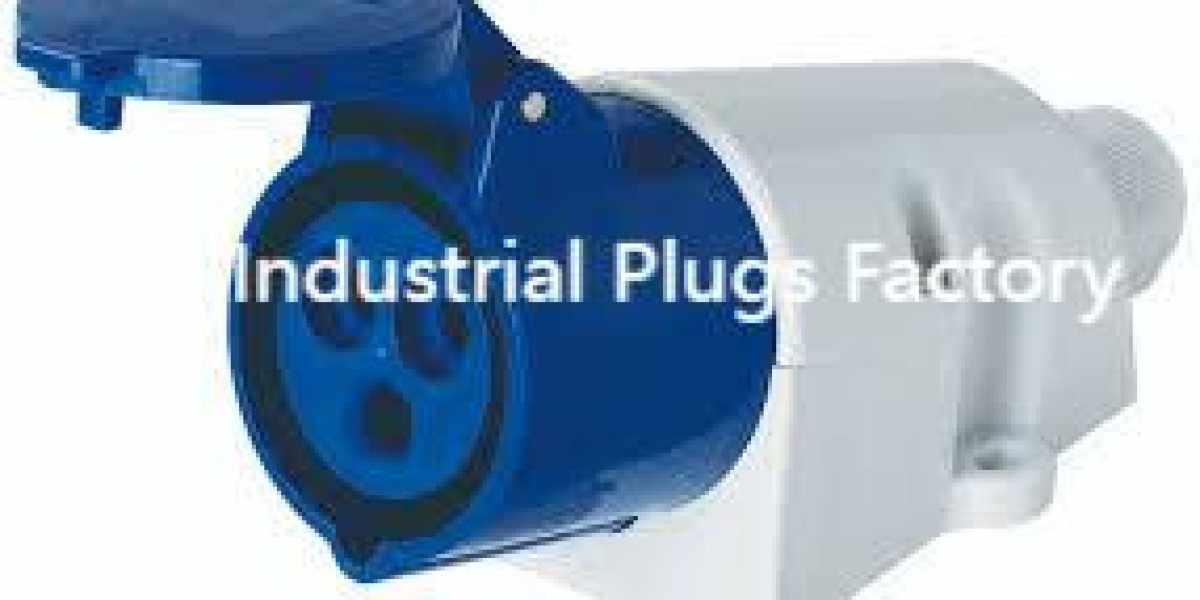

In heavy-duty electrical systems, selecting the right connector is critical, because an Industrial Plug placed at the center of power distribution ensures stable current flow and operational safety under extreme conditions. Engineers evaluating equipment for factories, ports, and infrastructure projects often focus on performance margins, and a carefully chosen Industrial Plug can significantly reduce downtime while supporting long-term system resilience.
The role of connectors in modern industry
Industrial electrical systems rely on secure, repeatable connections to keep machines running efficiently. Unlike household connectors, industrial connectors are built for frequent mating cycles, high current loads, and exposure to dust, vibration, and temperature fluctuations. They form the physical interface between mobile equipment and fixed power sources, enabling flexibility without sacrificing safety. When connectors perform reliably, they protect upstream equipment and downstream processes alike, making them essential components rather than simple accessories.
Electrical ratings and environmental performance
The first step in specification is understanding electrical ratings. Voltage and current capacities must accommodate both continuous operation and short-term peaks during startup. Environmental performance is equally important: ingress protection ratings define resistance to dust and water, while material certifications indicate tolerance to heat, UV exposure, or chemical contact. Matching these parameters to real site conditions—whether an indoor production line or an outdoor dock—prevents overheating, corrosion, and insulation breakdown over time.
Installation discipline and workforce safety
Correct installation practices extend service life and reduce hazards. Proper cable termination, correct torque on terminals, and alignment during connection prevent localized heating and arcing. Strain relief features protect conductors from mechanical stress caused by movement or vibration. Clear labeling and standardized pin configurations also contribute to safety, allowing maintenance staff to disconnect and reconnect equipment confidently during servicing. Well-documented installation procedures reduce human error and promote consistent results across sites.
Nante engineering approach for industrial connectors
A design philosophy focused on robustness emphasizes durable housings, precision contacts, and reliable locking mechanisms. Attention to ergonomics—such as grip texture and intuitive coupling—supports faster, safer operation in gloves or low-visibility environments. Modular design principles allow compatibility with a range of accessories and mounting solutions, simplifying integration into diverse systems. This engineering mindset prioritizes longevity and predictable performance across demanding applications.
Maintenance, inspection, and lifecycle value
Preventive maintenance is key to connector longevity. Periodic inspection for discoloration, wear, or contamination identifies issues before failure occurs. Cleaning contacts, verifying tightness, and replacing worn seals preserve electrical integrity. From a lifecycle perspective, connectors that are easy to service and support standardized spare parts reduce total ownership cost. Planned replacement cycles are far more economical than reactive repairs triggered by unexpected breakdowns.
Integration with evolving technologies
As automation and electrification expand, connectors must adapt to higher efficiency standards and smarter systems. Compatibility with monitoring devices, energy management platforms, and modular power architectures ensures connectors remain relevant as facilities modernize. Designing systems with future expansion in mind—extra capacity, standardized footprints, and documentation—minimizes disruption when upgrades are introduced.
Selecting suppliers and ensuring consistency
Supplier selection influences consistency across projects. Reliable suppliers provide comprehensive technical documentation, testing reports, and clear guidance on application limits. Consistent product lines reduce training requirements and simplify inventory management. When connectors are standardized across multiple sites, organizations benefit from streamlined procurement, easier troubleshooting, and shared maintenance expertise.
A well-specified connector strategy strengthens the entire electrical ecosystem, supporting safe operations and efficient maintenance. By aligning electrical ratings, environmental protection, installation discipline, and lifecycle planning, industrial facilities can achieve dependable performance even under harsh conditions. For a focused technical overview and selection guidance, visit https://www.nante.com/news/industry-news/what-is-industrial-plug.html