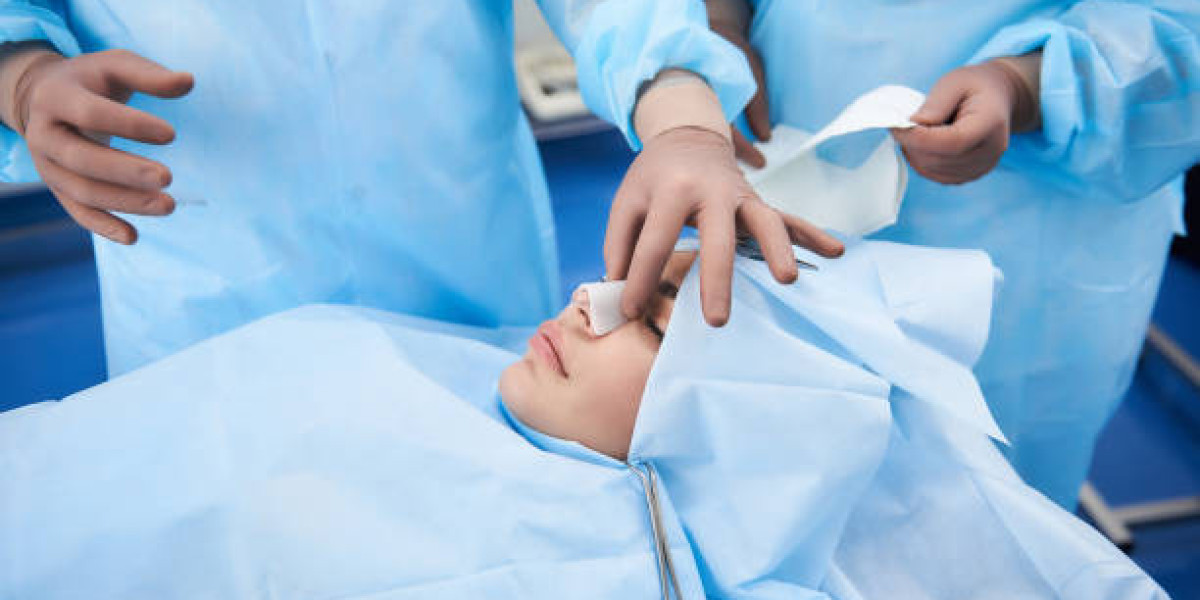

Swelling is one of the most common and expected aspects of recovery after nasal surgery. Understanding the swelling timeline can help patients plan their post-operative care and manage expectations. For anyone considering Rhinoplasty in Riyadh (سعر عملية تجميل الانف في الرياض), knowing how swelling progresses and subsides is crucial for achieving optimal results and avoiding unnecessary concern during recovery.
Swelling occurs because the body naturally responds to surgical trauma by sending fluid and white blood cells to the area. With Rhinoplasty in Riyadh, surgeons often provide detailed guidance on how swelling evolves over time, helping patients stay informed and confident as their nose gradually refines.
Immediate Swelling: First 48 Hours
The first 48 hours after surgery typically present the most noticeable swelling.
What to Expect
Puffiness around the nose and under the eyes
Mild bruising may appear
Skin may feel tight and tender
Some congestion or nasal blockage
During this period, cold compresses and head elevation are recommended to reduce swelling and provide comfort.
Early Post-Operative Swelling: Days 3–7
After the initial 48 hours, swelling usually continues but begins to stabilize.
Common Observations
Swelling spreads slightly to surrounding facial areas
Bruising under the eyes may intensify then start to fade
Nasal tip and bridge remain prominent areas of puffiness
Discomfort gradually decreases
Patients are often advised to avoid strenuous activity and maintain proper aftercare routines during this phase.
Moderate Swelling Phase: Weeks 2–4
Swelling begins to subside more noticeably during the second and third weeks of recovery.
Changes During This Phase
Facial contour appears more defined
Bruising typically resolves
Nasal tip may still appear slightly rounded
Breathing may improve as internal tissues settle
Continuing gentle care, including avoiding pressure on the nose and proper hydration, supports steady improvement.
Residual Swelling: Months 1–3
By the first three months, most swelling has diminished, but subtle puffiness may persist, especially at the nasal tip.
Key Points
Swelling is less visible but may still affect photographs
The nasal tip may appear bulbous or slightly uneven
Patients are often reassured that refinement continues
Light massage or gentle exercises may be suggested in some cases
At this stage, patience is important, as ongoing changes are part of natural healing.
Long-Term Swelling: Months 4–12
Final results can take up to a year to fully emerge. Subtle residual swelling may remain longer in the nasal tip and bridge.
What to Expect
The nose gradually refines and narrows
Nasal tip definition becomes more prominent
Symmetry and natural contours become visible
Complete healing supports long-term stability
Full resolution of swelling is a gradual process, and patience ensures optimal outcomes.
Factors Influencing Swelling Duration
Individual healing varies based on multiple factors.
Common Influences
Surgical technique (open vs closed rhinoplasty)
Extent of tissue manipulation
Skin thickness and elasticity
Age and overall health
Compliance with post-operative care
Understanding these variables helps patients anticipate their personal recovery timeline.
Tips to Minimize Swelling
Following proper care can significantly reduce swelling duration.
Recommended Strategies
Keep the head elevated while resting or sleeping
Apply cold compresses during the first 48–72 hours
Avoid strenuous exercise and heavy lifting
Maintain proper hydration and a balanced diet
Follow all surgeon instructions carefully
These measures support healing and enhance comfort during recovery.
When to Consult the Surgeon
Some swelling patterns may indicate complications or require professional assessment.
Red Flags
Excessive or worsening swelling after the first week
Persistent pain or unusual redness
Signs of infection
Difficulty breathing or asymmetry
Regular follow-ups allow the surgeon to monitor healing and address concerns promptly.
Psychological Impact of Swelling
Swelling can temporarily alter appearance, affecting confidence and patience.
Coping Strategies
Focus on gradual improvement rather than immediate results
Take progress photos to track subtle changes
Seek support from your surgeon for reassurance
Understanding the timeline helps patients stay calm and realistic during recovery.
Long-Term Benefits of Managing Swelling
Proper management of swelling contributes to better surgical outcomes.
Key Advantages
Reduced risk of scar tissue complications
More precise definition of nasal contours
Enhanced long-term stability
Greater overall satisfaction with results
By actively managing swelling, patients maximize both cosmetic and functional outcomes.
Booking a Consultation
If you are planning Rhinoplasty in Riyadh, understanding the swelling timeline is crucial for realistic expectations and effective recovery. Royal Clinic Saudia ( عيادات رويال كلينك ) provides personalized guidance and aftercare instructions to support optimal healing and refined, natural results. Book your appointment today and take the first step toward a balanced, confident nasal profile.