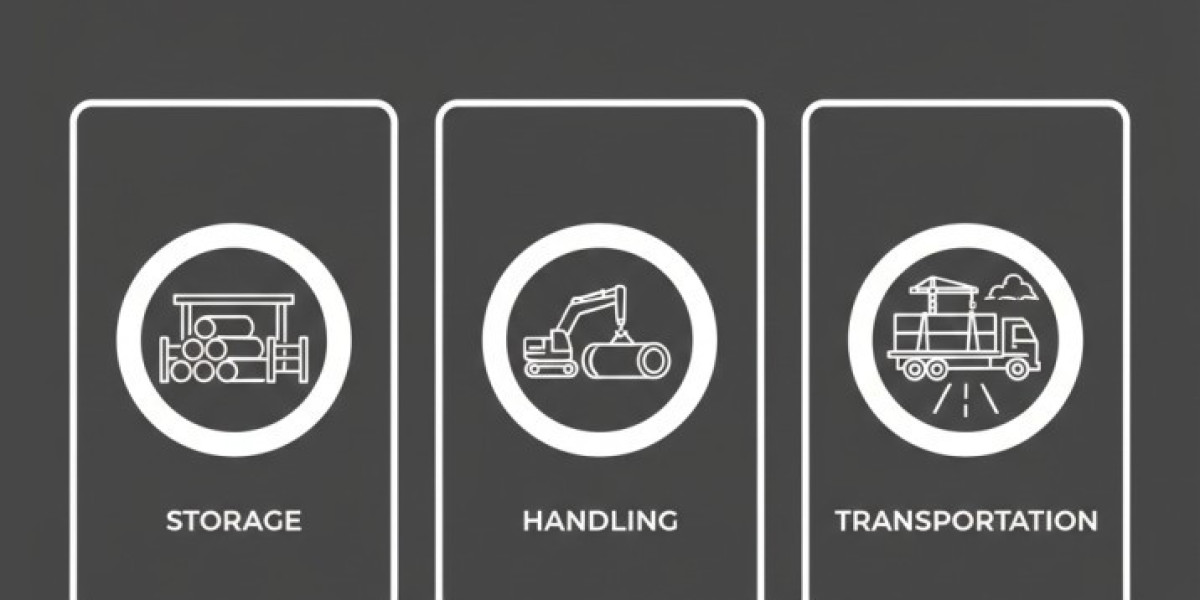

Steel pipes play a critical role in residential, commercial, and industrial construction projects across Saudi Arabia. From structural frameworks to fluid transmission systems, selecting and managing the right steel pipe manufacturing solutions directly impacts project durability, safety, and cost efficiency. Reliable suppliers with deep knowledge of regional construction standards and material requirements help contractors avoid common on-site issues before installation even begins. This makes proper storage, handling, and transportation of steel pipes an essential topic for construction teams aiming to maintain material quality throughout the project lifecycle.
Understanding and applying proper steel pipe management practices on construction sites helps preserve material quality and ensures smoother project execution.
Why Proper Pipe Management Matters
Steel pipes are manufactured to precise tolerances. Even minor damage during storage or handling can compromise structural strength, pressure resistance, or corrosion protection. In Saudi Arabia’s climate, exposure to moisture, heat, and dust further increases the risk of deterioration.
Common consequences of poor pipe management include:
Early corrosion
Installation difficulties
Joint and alignment issues
Increased repair and replacement costs
Preventive measures save both time and money.
Storage Best Practices on Construction Sites
Choose an Appropriate Storage Area
Saso 1011 Steel pipes should be stored on a clean, level surface away from standing water and soil contact. Ground moisture can accelerate corrosion, especially for uncoated pipes.
Use Raised Supports
Pipes should be placed on wooden sleepers or steel racks to keep them elevated. This prevents direct contact with moisture and allows air circulation around the pipes.
Separate Pipes by Size and Type
Mixing different pipe sizes and grades can cause handling errors and damage. Clearly label and organize pipes to avoid unnecessary movement during retrieval.
Protect Pipes From Environmental Exposure
Saudi construction sites often experience extreme temperatures and dust exposure. Pipes left uncovered for long periods are more susceptible to surface degradation.
Protective measures include:
Using tarpaulins or covers for outdoor storage
Avoiding prolonged exposure to direct sunlight for coated pipes
Ensuring proper drainage around storage areas
These steps help maintain surface integrity and coating performance.
Safe Handling Practices
Use Proper Lifting Equipment
Manual handling can cause dents and surface damage. Cranes, forklifts, and slings designed for pipe handling should be used whenever possible.
Avoid Dragging Pipes
Dragging steel pipes across rough surfaces damages coatings and introduces stress points. Pipes should always be lifted and placed carefully.
Prevent Impact Damage
Sudden drops or collisions with hard surfaces can deform pipe ends, making installation difficult. Controlled movements reduce this risk.
Transportation Guidelines
Secure Pipes During Transport
Pipes should be properly secured on trucks to prevent shifting during transit. Loose pipes can collide, causing dents and misalignment.
Use Protective Spacers
Wooden or rubber spacers placed between pipes reduce friction and impact damage during transportation.
Inspect Upon Arrival
All pipes should be inspected at the site upon delivery. Identifying damage early allows for replacement before installation begins.
Handling Coated and Galvanized Pipes
Coated and galvanized steel pipes require extra care. Scratches or abrasions expose the steel surface, increasing corrosion risk.
Best practices include:
Using padded slings instead of chains
Avoiding sharp edges during lifting
Touching up minor coating damage immediately
Maintaining coating integrity is essential for long-term performance.
Importance of Site Training and Supervision
Even the best procedures fail without proper implementation. Workers handling steel pipes should receive basic training on correct storage and handling techniques.
Supervisors should:
Monitor handling practices
Enforce safety procedures
Ensure equipment is suitable for pipe handling
Consistent oversight helps maintain material quality throughout the project.
Long-Term Benefits of Proper Pipe Management
Applying proper storage, handling, and transportation practices results in:
Reduced material waste
Faster installation
Lower maintenance costs
Improved project safety
These benefits contribute to better project efficiency and cost control.
Conclusion
Steel pipe performance does not depend solely on manufacturing quality. Storage, handling, and transportation play a crucial role in preserving material integrity before installation.
By implementing structured pipe management practices on construction sites, contractors can prevent avoidable damage, extend material lifespan, and ensure smoother project execution. Proper handling is not an added effort—it is an essential part of responsible construction management.












