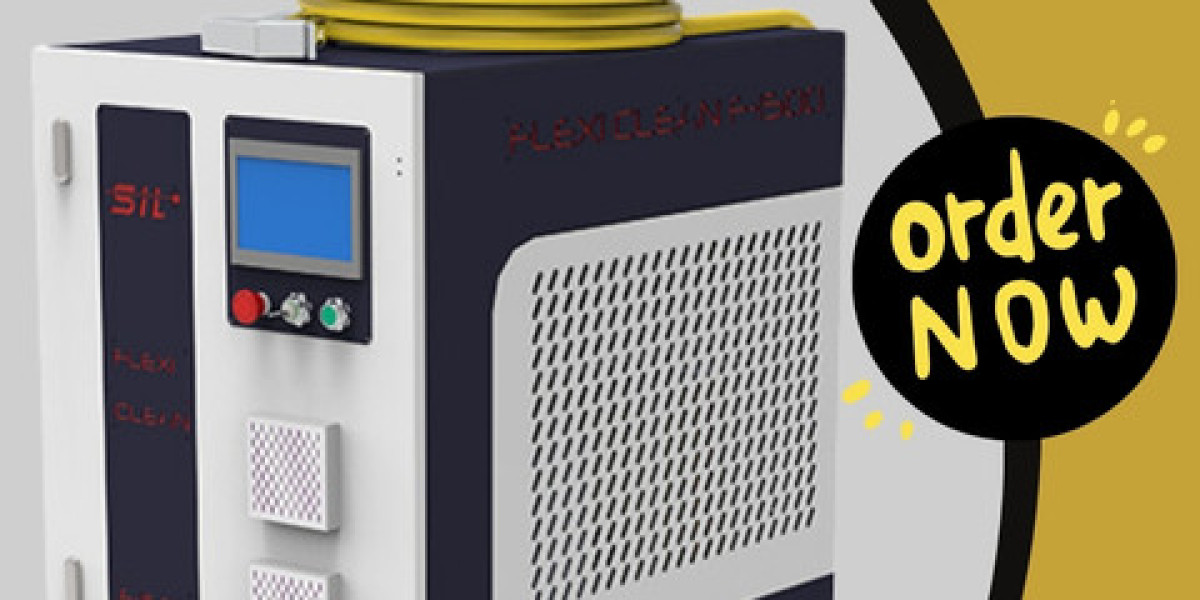

The laser rust cleaner has emerged as a modern solution for surface restoration in industries where metal integrity, cleanliness, and precision matter most. Rust has always been a persistent challenge across manufacturing, construction, automotive, shipbuilding, and heavy engineering sectors. Traditional cleaning methods often struggle to balance effectiveness, control, and surface preservation. In contrast, laser-based rust cleaning introduces a refined approach that aligns with today’s demand for accuracy, efficiency, and controlled processing.
At its core, a laser rust cleaner works by directing concentrated laser energy onto corroded metal surfaces. This energy interacts with the rust layer, separating it from the base material without aggressive physical contact. The process is highly controlled, allowing operators to target rust, oxidation, paint residue, or surface contaminants while keeping the underlying metal intact. This precision has positioned laser rust cleaning as a preferred technique for both large-scale industrial operations and specialized restoration tasks.
In industrial environments, rust is more than a cosmetic issue. It can compromise structural strength, interfere with mechanical tolerances, and reduce the lifespan of equipment. A laser rust cleaner addresses these concerns by offering a consistent and repeatable cleaning process. Whether applied to steel beams, machine parts, molds, pipelines, or historical metal structures, the technology delivers uniform results that meet strict industrial standards.
One of the defining characteristics of laser rust cleaning is its adaptability across different materials and surface conditions. Mild steel, carbon steel, stainless steel, cast iron, and various alloys can be treated with appropriate laser settings. The process can be adjusted to handle light surface oxidation as well as heavy, layered rust buildup. This flexibility makes the laser rust cleaner suitable for diverse applications, from routine maintenance to complex refurbishment projects.
In manufacturing plants, surface preparation plays a critical role before processes such as welding, coating, or assembly. Any remaining rust or contamination can affect adhesion and performance. A laser rust cleaner ensures that surfaces are cleaned to a precise level, creating ideal conditions for downstream processes. This contributes to higher-quality finished products and improved process consistency across production lines.
The automotive and transportation sectors have also embraced laser rust cleaning for both production and maintenance purposes. Components such as frames, panels, engine parts, and suspension elements often require meticulous cleaning. Laser-based rust removal allows technicians to work on intricate geometries and hard-to-reach areas without dismantling entire assemblies. This capability supports efficient refurbishment and extends the usable life of valuable components.
In shipbuilding and marine industries, corrosion is an ongoing challenge due to constant exposure to moisture and salt. Traditional rust removal methods can be labor-intensive and difficult to control on large surfaces. A laser rust cleaner provides a scalable solution that can be applied to hull sections, decks, pipelines, and structural supports. The controlled nature of laser cleaning helps maintain material thickness and structural integrity, which is essential for safety and compliance.
Another important area of application is mold and tool cleaning. Industrial molds used in plastics, rubber, and die-casting processes must maintain precise dimensions and smooth surfaces. Rust or residue buildup can affect product quality and increase downtime. Laser rust cleaning enables quick and targeted cleaning of molds without abrasive wear, supporting consistent production cycles and reducing interruptions.
From a technological perspective, laser rust cleaners represent the convergence of optics, electronics, and material science. Modern systems are designed with user-friendly interfaces, allowing operators to adjust parameters such as power, frequency, and scanning patterns according to the task at hand. This level of control ensures repeatable outcomes and supports integration into existing industrial workflows.
The adoption of laser rust cleaner technology is also driven by evolving industry standards and environmental considerations. Many industries are moving away from chemical-based cleaning processes that generate waste and require complex disposal procedures. Laser cleaning operates as a dry process, producing minimal secondary waste and supporting cleaner working environments. This aligns with modern sustainability goals and regulatory requirements without compromising performance.
In maintenance and repair operations, downtime is a critical cost factor. Equipment that is out of service due to corrosion can disrupt production schedules and increase operational expenses. Laser rust cleaning allows for on-site treatment, reducing the need for disassembly or transport of large components. This capability supports faster turnaround times and more efficient maintenance planning.
Restoration projects, including heritage conservation and specialized fabrication, also benefit from the precision of laser rust cleaning. Historical metal artifacts, architectural elements, and vintage machinery often require careful treatment to preserve original material and appearance. A laser rust cleaner provides the control necessary to remove corrosion while respecting the integrity of valuable and irreplaceable items.
Training and skill development play an important role in maximizing the effectiveness of laser rust cleaning systems. Operators learn to understand material responses, adjust parameters, and plan cleaning strategies for different applications. As familiarity with the technology grows, organizations are able to unlock its full potential and apply it across a wider range of tasks.
The market for laser rust cleaners continues to expand as more industries recognize the value of advanced surface treatment solutions. Manufacturers are investing in research and development to refine system performance, improve usability, and support broader industrial adoption. As a result, laser rust cleaning is becoming an integral part of modern industrial maintenance and production strategies.
In today’s competitive industrial landscape, precision, consistency, and process control are essential. The laser rust cleaner stands as a sophisticated tool that meets these demands by transforming how rust and surface contamination are addressed. By integrating laser-based cleaning into routine operations, industries are redefining standards for surface preparation and metal restoration, paving the way for cleaner processes and higher-quality outcomes across multiple sectors.