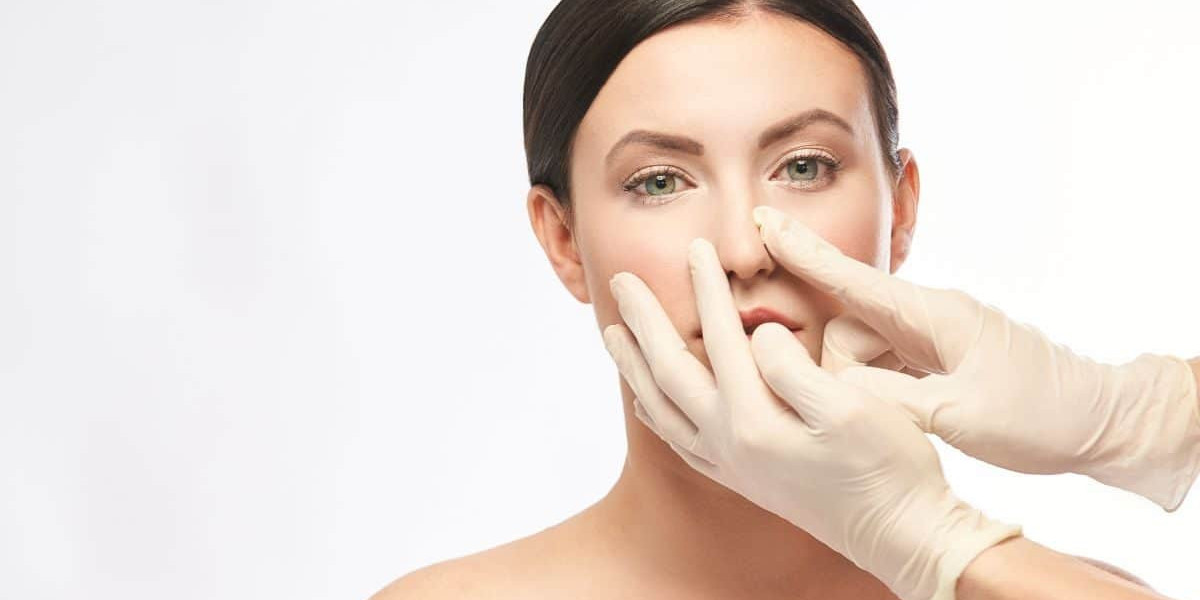

Maintaining the results of a rhinoplasty is as important as the surgery itself. Patients undergoing rhinoplasty treatment Riyadh(عملية تجميل الأنف بالرياض) often invest significant time and care in achieving their desired nasal appearance and function. Long-term results depend not only on the skill of the surgeon but also on post-operative care, lifestyle choices, and ongoing precautions. Understanding how to protect your investment ensures a natural, harmonious, and lasting outcome.
Follow Post-Operative Instructions Carefully:
Adhering to your surgeon’s instructions is critical for preserving results. Key steps include:
Keep the head elevated while sleeping to minimize swelling
Avoid touching, pressing, or bumping the nose during healing
Take prescribed medications for pain, inflammation, and infection prevention
Attend all follow-up appointments for monitoring recovery
Follow specific guidelines for cleaning and care of incisions or splints
Careful adherence prevents complications that could alter the surgical outcome.
Protect Your Nose From Trauma:
Even minor impacts can affect long-term rhinoplasty results. Key tips include:
Avoid contact sports or activities with high risk of nasal injury
Be cautious when bending over or lifting heavy objects
Wear protective gear if engaging in activities where the nose might be injured
Alert friends or family to avoid accidental bumps during recovery
Avoid wearing tight glasses on the bridge of the nose until cleared by your surgeon
Protecting the nose ensures structural integrity and maintains aesthetic results.
Manage Swelling and Skin Health:
Maintaining healthy skin and controlling swelling supports long-term outcomes. Key strategies include:
Apply cold compresses in the first few weeks to reduce swelling
Transition to warm compresses or gentle massage if recommended by your surgeon
Stay hydrated to improve skin elasticity and healing
Use gentle skincare products to avoid irritation around the nasal area
Maintain a balanced diet rich in vitamins and minerals that support tissue health
Healthy skin and controlled swelling contribute to a smoother, long-lasting appearance.
Maintain Nasal Function:
Proper nasal function is essential for long-term success. Important considerations include:
Avoid excessive nose blowing, especially in the first few weeks
Use saline sprays if recommended to keep nasal passages clear and moist
Address allergies promptly to prevent inflammation or congestion
Seek medical attention if breathing difficulties or obstruction occur
Follow surgeon’s advice regarding any functional interventions or exercises
Preserving airway function prevents complications that could compromise both health and aesthetics.
Monitor Changes Over Time:
Even after initial healing, ongoing monitoring helps detect issues early. Key points include:
Observe any changes in nasal shape, asymmetry, or swelling
Report concerns such as persistent pain, unusual discharge, or difficulty breathing
Schedule periodic check-ups with your surgeon if advised
Take photos to track subtle changes over months or years
Consult your surgeon before attempting any cosmetic adjustments or fillers
Regular monitoring ensures early intervention and preserves the long-term outcome.
Healthy Lifestyle Choices:
Lifestyle factors can affect rhinoplasty results over the years. Key recommendations include:
Avoid smoking, which impairs healing and skin quality
Limit alcohol consumption, especially during the healing phase
Maintain a healthy weight to prevent changes in facial proportions
Practice good sun protection to prevent skin damage around the nose
Engage in regular exercise while avoiding activities that risk nasal trauma
A healthy lifestyle supports both aesthetic and functional longevity.
Addressing Minor Cosmetic Concerns:
Occasionally, minor refinements may be needed to maintain results. Key points include:
Non-surgical options like fillers can address small contour irregularities
Minor touch-ups can correct slight asymmetries without full revision surgery
Consult your surgeon before making decisions about aesthetic interventions
Avoid DIY procedures or unapproved treatments that can compromise results
Ensure any adjustments are performed by qualified professionals
Addressing minor concerns early preserves overall harmony and satisfaction.
Psychological Considerations:
Maintaining realistic expectations and psychological well-being supports long-term satisfaction. Key points include:
Accept that subtle changes may occur over time due to aging or lifestyle
Avoid comparing results to others, focusing on personal satisfaction
Practice self-care and confidence-building to complement aesthetic outcomes
Communicate concerns openly with your surgeon for reassurance
Recognize that patience is essential during ongoing recovery and adaptation
A healthy mindset contributes to contentment with long-term results.
Choosing a Skilled Surgeon:
Long-term outcomes depend on the initial surgical quality. Key factors include:
Expertise in both primary and complex rhinoplasty procedures
Experience with techniques that preserve structural integrity over time
Comprehensive follow-up care and post-operative guidance
Ability to manage functional and aesthetic concerns simultaneously
Proven track record of natural, harmonious, and lasting results
Selecting a skilled surgeon from the start is critical for maintaining lifelong satisfaction.
Final Thoughts:
Maintaining results after rhinoplasty treatment Riyadh involves a combination of proper post-operative care, lifestyle adjustments, protective measures, and ongoing monitoring. Patients who follow their surgeon’s instructions, safeguard their nose from trauma, support skin and tissue health, maintain nasal function, and adopt healthy lifestyle habits can enjoy natural, long-lasting outcomes. Regular check-ups, attention to minor cosmetic concerns, and psychological readiness further enhance satisfaction. By combining expert surgical care with proactive maintenance, individuals can preserve their rhinoplasty results and enjoy both aesthetic and functional benefits for years to come.