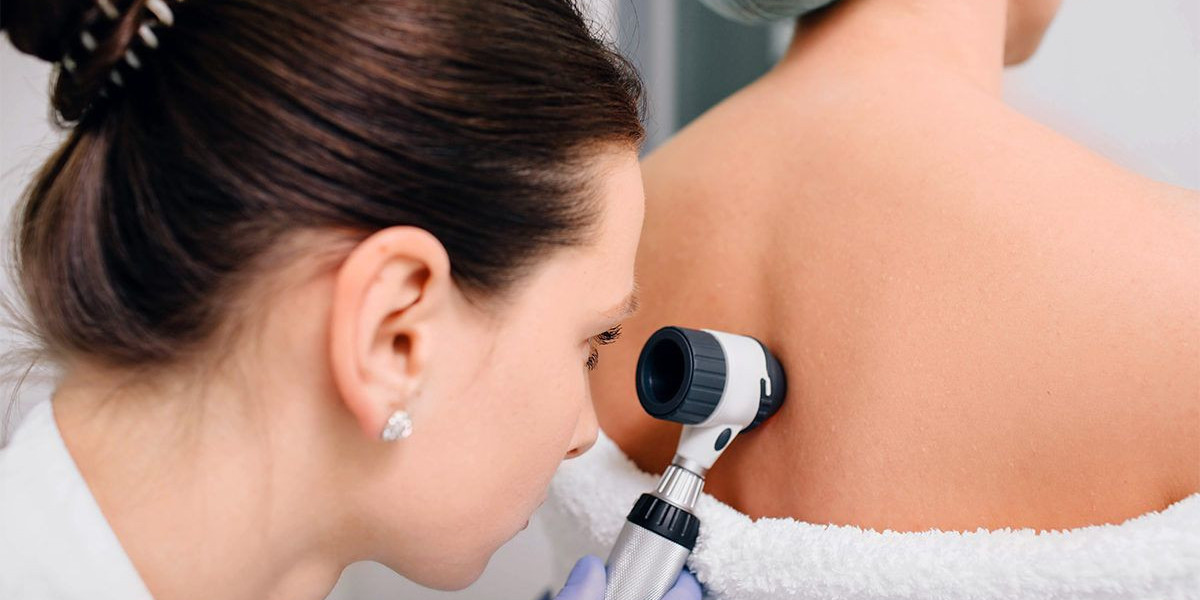

Dermatology procedures can seem intimidating, but understanding what to expect can make the experience smooth and reassuring. Consulting the Best Dermatologist in Riyadh ensures that each procedure is performed safely, with personalized recommendations based on your skin type and concerns. Whether you are considering treatments for acne, pigmentation, or anti-aging, knowing the steps, preparation, and aftercare can help you feel confident and informed.
Common Dermatology Procedures Explained:
Dermatologists perform a wide range of treatments to address both cosmetic and medical concerns. Key procedures include:
Chemical peels to improve skin texture and tone
Laser therapy for pigmentation, scars, and hair removal
Microdermabrasion or microneedling to stimulate collagen and rejuvenate skin
Fillers and Botox for anti-aging and wrinkle reduction
Cryotherapy for warts or benign skin lesions
Consultation and Assessment:
Before any procedure, dermatologists conduct a detailed evaluation to ensure safety and effectiveness. This includes:
Reviewing medical history and skin concerns
Assessing skin type, texture, and sensitivity
Discussing desired outcomes and setting realistic expectations
Identifying potential risks or contraindications
Creating a tailored treatment plan to match your needs
Preparing for Dermatology Procedures:
Proper preparation enhances results and minimizes side effects. Dermatologists recommend:
Avoiding excessive sun exposure and tanning prior to certain treatments
Discontinuing products with harsh acids or retinoids when advised
Following pre-procedure instructions specific to your skin and treatment
Arranging transportation if sedation or numbing agents are used
Maintaining general health to support healing
During the Procedure:
Most dermatology procedures are minimally invasive, but knowing what happens can ease anxiety. Key points include:
Topical or local anesthesia may be applied to reduce discomfort
Sessions vary in duration depending on the procedure type
Some procedures may cause mild redness, swelling, or tingling
Technicians and dermatologists follow strict hygiene and safety protocols
Patients are encouraged to communicate any discomfort during treatment
Post-Procedure Care:
Aftercare is critical to achieving optimal results and preventing complications. Dermatologists emphasize:
Applying recommended ointments or moisturizers to support healing
Avoiding direct sun exposure and using SPF daily
Refraining from picking, scratching, or exfoliating treated areas
Following follow-up appointments to monitor progress
Noting any unusual reactions and contacting the dermatologist if needed
Managing Expectations and Results:
Understanding what results to anticipate helps patients stay satisfied. Dermatologists highlight:
Gradual improvements over days or weeks, depending on the procedure
Multiple sessions may be required for certain treatments
Results vary based on skin type, age, and lifestyle factors
Maintaining a consistent skincare routine enhances long-term outcomes
Discussing concerns with your dermatologist ensures realistic expectations
Safety Measures and Professional Expertise:
Choosing a qualified dermatologist minimizes risks and ensures high-quality care. Important considerations include:
Confirming credentials and experience of the dermatologist
Using FDA-approved equipment and medically approved products
Maintaining a sterile and controlled environment during procedures
Tailoring treatments based on individual health conditions
Educating patients about potential side effects and recovery timelines
Combining Procedures for Enhanced Results:
Dermatologists often recommend combination treatments for optimal outcomes. Strategies include:
Pairing laser therapy with topical treatments for pigmentation correction
Using microneedling alongside PRP (platelet-rich plasma) for collagen stimulation
Integrating fillers or Botox with skin resurfacing for anti-aging benefits
Scheduling treatments to allow sufficient recovery between sessions
Monitoring cumulative effects to ensure safety and effectiveness
Long-Term Skin Maintenance:
Procedures provide results, but ongoing care is essential for lasting skin health. Dermatologists advise:
Maintaining a daily cleansing and moisturizing routine
Using sunscreen consistently to prevent damage and pigmentation
Scheduling periodic follow-ups to track skin health
Adjusting skincare products seasonally to match skin needs
Consulting your dermatologist before adding new treatments
Final Thoughts.
Understanding dermatology procedures helps patients feel confident and informed before, during, and after treatment. Consulting the Best Dermatologist in Riyadh ensures that each procedure is safe, personalized, and effective. From initial consultation to post-procedure care, a combination of professional expertise, proper preparation, and ongoing maintenance can deliver optimal results. By following dermatologist-recommended practices and knowing what to expect, patients can achieve healthy, radiant skin while minimizing risks and maximizing the benefits of every procedure.