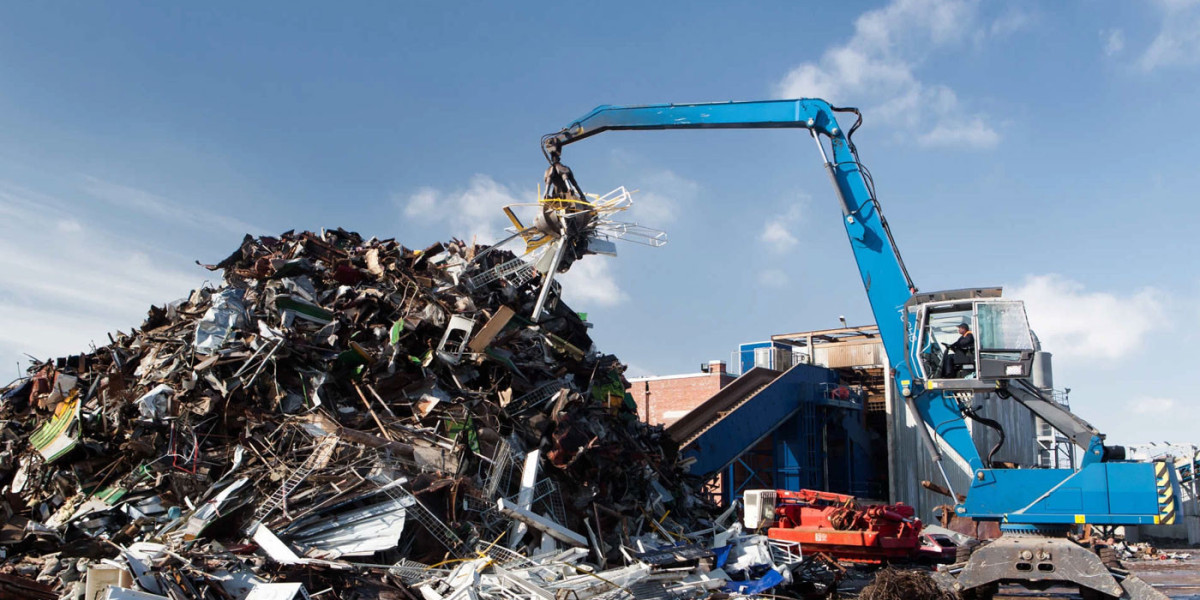

Vehicles reach the end of their life for many reasons. They may become too old, suffer major mechanical failures, or no longer meet safety standards. When a vehicle is no longer wanted, it often ends up in a scrap yard. Scrap yards are more than storage spaces for old cars. They follow a structured process to determine the fate of every vehicle, deciding whether it will be dismantled, recycled, or reused. This process has important implications for the environment, local industries, and vehicle owners.
Initial Assessment
The first step in a scrap yard is the assessment of the vehicle. Staff examine the car’s age, make, model, and overall condition. They check whether major parts like the engine, transmission, or tyres are still functional. Even if the vehicle is not roadworthy, certain components may have resale value.
During this stage, scrap yards also determine the presence of hazardous materials. Fluids such as petrol, oil, coolant, and brake fluid must be handled carefully. Batteries and air conditioning refrigerants are identified, as these substances require safe removal to prevent environmental damage.
Dismantling Process
After assessment, the vehicle enters the dismantling process. This is a systematic approach to separate reusable parts, metals, and non-metal components. Parts that remain functional, such as engines, alternators, radiators, and tyres, are removed and cleaned for resale.
Metals form a significant part of the vehicle and are carefully extracted. Steel, aluminium, and copper are sorted and sent to recycling facilities. These metals can be melted down and reused in construction, manufacturing, and other industries. This recycling reduces the need for mining, which saves energy and conserves natural resources.
Non-metal components, including plastics, glass, and fabrics, are sorted for recycling or safe disposal. Tyres may be shredded for use in industrial processes, while plastics are repurposed into raw materials for manufacturing. Even small components such as wiring harnesses or electronic modules are evaluated for reuse.
Determining Scrap Value
The financial value of the vehicle is calculated based on several factors. Scrap yards consider the weight of the metal, the market price for recyclable metals, and the condition of reusable parts. This value often forms the basis of the payment offered to the vehicle owner.
Metal prices fluctuate, meaning that two similar vehicles may receive different valuations at different times. Steel and aluminium, for instance, are consistently in demand, while copper from wiring may fetch higher rates during periods of industrial growth. Vehicles that contain rare components or in-demand parts can generate additional revenue.
Environmental Considerations
Scrap yards play a key role in reducing environmental impact. Old vehicles contain fluids and materials that can be harmful if left to decay. Oil, brake fluid, and coolant can contaminate soil and groundwater, while batteries may leak heavy metals such as lead and sulphuric acid.
By carefully dismantling vehicles and processing materials responsibly, scrap yards prevent pollution and contribute to sustainable resource management. Recycling metals also reduces carbon emissions since producing metals from scrap requires less energy than producing them from raw ore. This process highlights the environmental importance of scrapping vehicles instead of leaving them idle.
Economic Benefits
The vehicle recycling process supports local industries and contributes to the economy. Functional parts are sold to mechanics and parts resellers, providing affordable options for car repairs. Recycled metals are supplied to manufacturing companies, supporting construction, machinery, and engineering sectors.
In cities like Brisbane, the demand for recycled materials is high. Services that provide cash for scrap metal Brisbane connect vehicle owners with industrial buyers, ensuring that materials are reused effectively. This creates a circular economy where old cars are transformed into resources that benefit communities and industries.
Logical Promotion of Vehicle Recycling Service
Working with a reputable service ensures that vehicles are dismantled safely and metals are recovered efficiently. Services such as Metal Biz Recyclers handle all aspects of the process, from vehicle collection to safe disposal of hazardous materials. They also provide a practical option for residents seeking cash for scrap metal Brisbane. By connecting car owners with recycling opportunities, they prevent environmental damage, support local industries, and allow owners to receive payment for vehicles that would otherwise sit unused.
Challenges in Vehicle Recycling
Despite the structured process, scrap yards face challenges. Fluctuating metal prices can affect the value offered to owners. Some vehicles contain components that are difficult to recycle or require specialised handling. Illegal dumping remains an issue in certain areas, undermining the efficiency of the recycling system.
Public awareness is essential. Vehicle owners must understand that selling a car to a scrap yard is preferable to leaving it idle. By promoting recycling and educating communities, scrap yards can ensure that more vehicles enter the system safely and productively.
Conclusion
Scrap yards are critical to managing old vehicles in Australia. They follow a structured process that evaluates each car, extracts valuable parts, recycles metals, and safely disposes of hazardous materials. This system not only provides financial returns for vehicle owners but also supports local industries and reduces environmental harm.
For anyone with an old car, engaging with a service that provides cash for scrap metal Brisbane is a practical solution. Services like Metal Biz Recyclers ensure that vehicles are transformed into valuable resources rather than left to decay. By selling old vehicles instead of letting them sit, individuals contribute to a cleaner environment, support the economy, and participate in responsible resource management.