
Every car reaches a point where owners stop and think. Should the car be scrapped, or should it be sold? This question comes up across Australia every day. Old cars sit in driveways, paddocks, and garages while owners weigh their options. Some cars still start and drive. Others no longer move at all. Even so, every old car carries a certain worth.
This article explains how to understand the real worth of old cars. It focuses on facts, industry practice, and how different parts of a vehicle shape the final decision.
Why Cars Become Old but Still Matter
Cars age due to distance travelled, weather, and daily use. Engines face heat and friction. Bodies face sun, rain, and road debris. Over time, wear becomes visible.
An old car does not stop being useful the moment it looks tired. Many vehicles continue serving a purpose through parts, materials, and repair support. This is why the choice between scrapping and selling deserves careful thought.
Scrapping and Selling Are Not the Same Choice
Scrapping a car usually means sending it for dismantling and recycling. Selling a car may involve passing it on to another driver, a workshop, or a dismantler.
Both options can make sense depending on the condition of the vehicle. Understanding the difference helps owners make an informed choice.
When Selling an Old Car Makes Sense
Selling suits cars that still run or have strong mechanical parts. Engines that start smoothly, gearboxes that shift well, and clean interiors attract interest.
Even cars with cosmetic damage may still sell if the mechanical side remains sound. Buyers may seek such cars for daily use, parts, or project work.
Registration status also affects interest. Cars with current registration often attract private buyers. Unregistered cars may still sell within the trade.
When Scrapping Becomes the Practical Option
Scrapping suits cars with heavy rust, failed engines, or serious electrical issues. These problems often cost more to fix than the car is worth to a driver.
Scrap yards dismantle cars and recycle metals. Steel, aluminium, and copper return to manufacturing. Parts that still work may re-enter the repair market.
This option keeps materials in use rather than letting a car sit unused.
Parts Often Matter More Than the Whole Car
Many old cars hold strong parts even when the full vehicle feels worn out. Engines, gearboxes, alternators, starters, and suspension parts often outlast the body.
Panels, lights, mirrors, and interior trim also hold demand. Even if a car does not run, its parts may support many repairs.
This reality explains why some cars attract interest even in poor condition.
Mileage Shapes the Decision
Mileage affects engine and gearbox life. Lower kilometre engines often attract stronger interest, even if they come from old cars.
A high kilometre car that still runs may soon face failure. A lower kilometre car with body damage may hold stronger mechanical parts.
Looking beyond running status helps reveal the real worth of an old car.
Model and Parts Demand Matter
Some models carry stronger parts demand than others. Popular vehicles, work utes, and older Japanese models often hold steady interest.
Rare models and performance variants also attract attention. Owners of similar cars rely on parts from these vehicles to keep theirs running.
Understanding model demand helps shape the scrap or sell decision.
Insurance History Changes Outcomes
Cars written off by insurers often enter dismantling rather than resale. These vehicles may have strong parts despite body damage.
Insurance write-offs often supply engines, gearboxes, and electronics to the repair market. This keeps other vehicles on the road.
If an old car holds a write-off history, selling within the trade may suit better than private sale.
Electronics Add to Car Worth
Modern cars rely on sensors, control units, and wiring. New replacements may be costly or no longer produced for older models.
Old cars supply these electronic parts through dismantling. Many survive years of use and accidents without damage.
This makes even non-running cars useful within the repair system.
Environmental Factors Influence the Choice
Leaving an old car unused creates waste. Fluids leak. Materials rust. This harms the environment over time.
Scrapping allows proper fluid removal and recycling. Selling for parts keeps materials in use longer.
Both options support responsible handling when done through proper channels.
The Role of Wrecking Yards in the Decision
Wrecking yards assess cars based on parts condition and material weight. They look beyond appearance and focus on usable components.
These yards support workshops, builders, and everyday drivers. Without them, many repairs would not happen.
Understanding how wrecking yards work helps owners judge their car worth more clearly.
A Practical Link Between Old Cars and Parts Supply
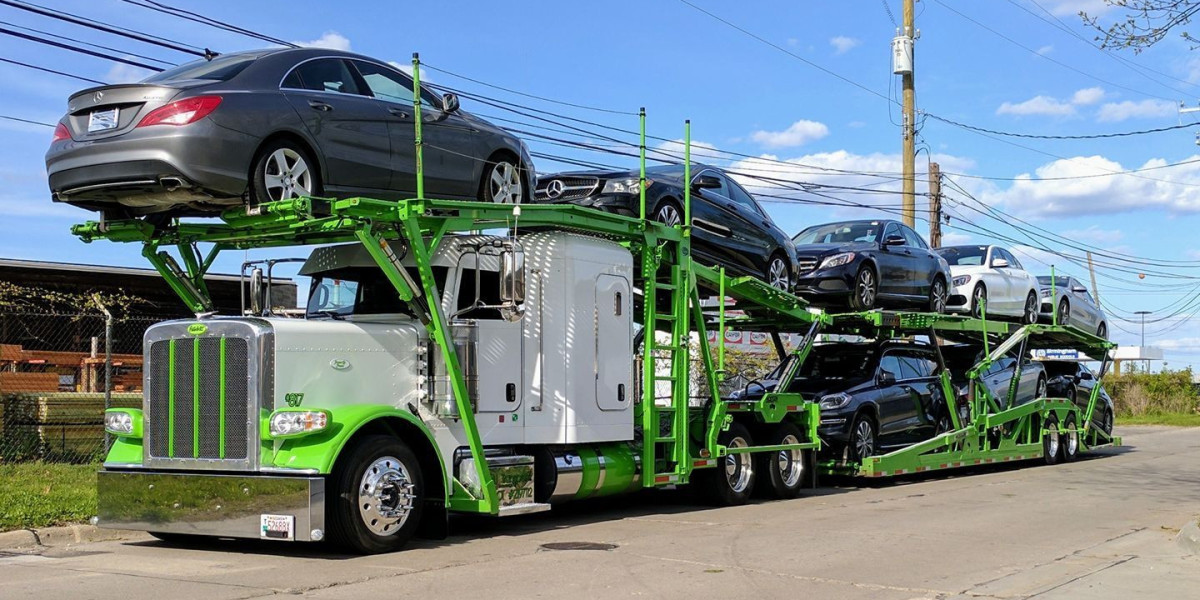
Across regional and coastal areas, dismantling services support the movement of parts from old cars into active use. North Coast Wreckers operate within this system by collecting and dismantling vehicles that no longer serve drivers. Engines, panels, and mechanical parts from these vehicles move into the repair network and help keep other cars running. This process also supports the wider supply chain connected with North Coast Car Wreckers, which many workshops rely on when sourcing parts for older vehicles.
Why Appearance Can Be Misleading
A car that looks rough may still hold strong parts. Faded paint, dented panels, and worn seats do not reflect engine health.
Likewise, a clean-looking car may hide serious mechanical issues. Judging a car only by looks often leads to poor decisions.
Inspection and assessment reveal the true situation.
Private Buyers Think Differently Than Trade Buyers
Private buyers often focus on how a car drives today. Trade buyers focus on parts and materials.
This difference shapes offers and outcomes. A car that fails private sale may still suit dismantling or parts resale.
Knowing the target buyer helps owners choose between scrapping and selling.
Regional Australia Relies on Old Cars
In many regional areas, old cars remain part of daily life. Long distances and work needs keep these vehicles active.
Parts supply keeps these cars running. Scrapping or selling into the right channel supports this cycle.
Old cars still matter beyond city limits.
Legal and Safety Considerations
Selling a car requires clear disclosure of condition. Safety issues must be addressed honestly.
Scrapping through proper channels ensures compliance with environmental and safety rules. This protects owners from future issues.
Following correct steps matters regardless of the choice.
Signs That Selling May Work Better
Selling may suit when:
The engine starts and runs without noise
The gearbox shifts correctly
The body holds limited rust
Parts demand exists for the model
These factors attract interest beyond scrap.
Signs That Scrapping May Be Wiser
Scrapping may suit when:
The engine has failed
Structural rust affects safety
Electrical faults dominate
Repair costs rise too high
In these cases, parts and materials carry the main worth.
Understanding the Real Worth
The real worth of an old car comes from its parts, materials, and role in the repair system. Running status forms only one part of the picture.
Looking deeper helps owners avoid poor decisions and missed opportunities.
Closing Thoughts
Choosing between scrapping and selling an old car depends on facts, not guesses. Condition, mileage, model demand, and parts health all matter.
An old car rarely becomes useless overnight. Whether scrapped or sold, it continues contributing through parts and materials. Understanding this process helps owners make choices that suit their situation while supporting the wider automotive system in Australia.