
Every car has a story. From the day it rolls off the assembly line to its final journey to a scrap yard, a vehicle experiences years of service, maintenance, and travel. Eventually, every car reaches the end of its practical life on the road. Yet, this does not mark the end of its usefulness. Old cars continue to provide materials, parts, and insights that shape modern transport. Understanding this final chapter highlights how vehicles contribute beyond driving.
This article explains the journey from active use to scrap, the processes involved in car disposal, and how this cycle impacts drivers, the environment, and industry in Australia.
The Natural Life of a Vehicle
A car’s life begins with manufacturing, followed by years of active use. Engines, transmissions, and body panels endure long-term wear. Daily driving, weather conditions, and road quality all take a toll.
In Australia, long distances and high temperatures accelerate wear on vehicles. Components such as radiators, tyres, and suspension systems face more stress in rural areas. Eventually, owners reach a point where repairs become more costly than the car’s remaining value. At this stage, a vehicle transitions from active service to its final chapter.
Signs a Car Has Reached Its End
Determining when a car has reached the end of its road life depends on several factors:
Structural rust or frame damage that affects safety
Major engine or transmission failure
Electrical system malfunctions
Inability to pass roadworthy inspections
Even when a car is no longer roadworthy, it retains value in its materials and parts. Steel, aluminium, copper, rubber, and glass remain reusable, while functioning components can extend the life of other vehicles.
The Role of Scrap Yards
Scrap yards act as the next stage in a car’s life. Their main function is to recover usable materials and parts. Steel and aluminium are melted and reshaped for new vehicles, construction materials, or household products. Tyres, batteries, and fluids are processed separately to reduce environmental impact.
Scrap yards also supply parts for older vehicles. Engines, gearboxes, doors, and mirrors are often refurbished and sold to workshops. This system ensures that even when a car stops driving, its components continue to serve a practical purpose.
Environmental Importance
Abandoned or improperly disposed cars can harm the environment. Fluids such as oil, brake fluid, and fuel can leak into soil and waterways. Tyres and batteries pose long-term disposal challenges.
Proper disposal through scrap yards or collection services reduces these risks. Recycling materials saves energy compared to producing new metals. Every vehicle processed responsibly helps protect land and water, particularly in areas with large numbers of older vehicles.
Changing Driving Habits Over Time
Older vehicles also reflect past driving habits. Early cars often required more frequent maintenance, manual controls, and greater attention on the road. Observing which parts wear first provides insight into how people drove, road conditions, and vehicle design.
Services that manage old vehicles play a part in connecting past and present. Searches like We Buy Cars Darwin indicate that many owners are seeking solutions for cars that no longer meet modern driving needs. Proper removal ensures that old cars are handled safely while materials and parts are recovered efficiently.
A Practical Step in Vehicle Retirement
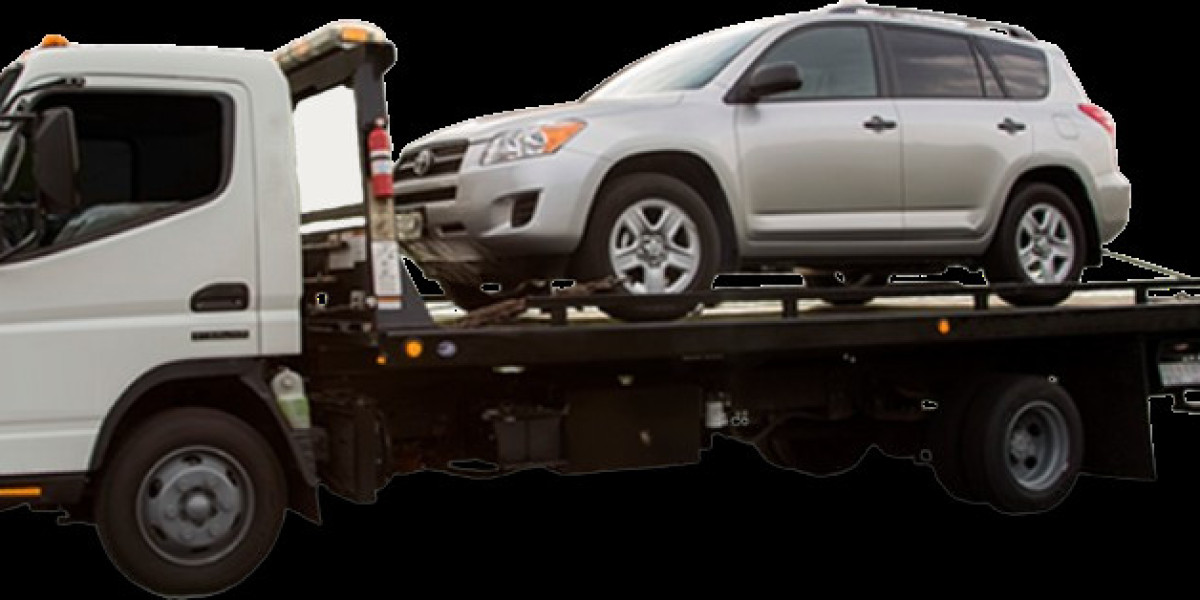
The transition from active vehicle to scrap requires organised collection. A service such as PS Car Removal provides this link. Vehicles that have reached the end of their road life are collected and delivered to facilities that dismantle and recycle them. This process allows older cars to contribute to industry, supply chains, and environmental care rather than becoming abandoned or waste.
Collection services also help owners save time and reduce risk associated with moving heavy or damaged vehicles. They ensure that the final chapter of every car supports material recovery and responsible disposal.
Economic Impacts
Car recycling supports a network of jobs and industries. Dismantling, transport, material sorting, and refurbishing parts employ workers across cities and regional towns. Recycled metals feed factories, construction sites, and workshops. Refurbished parts extend vehicle life for others.
This cycle shows that a car’s value does not end when it stops driving. It continues to support livelihoods and industry long after leaving the road.
Lessons for Modern Vehicle Design
Studying old vehicles also informs modern car design. Engineers learn which materials last longer, which parts fail first, and how design choices affect maintenance. Safety and environmental regulations have evolved as a result of observing older vehicles in real-world conditions.
Recycling and removal services complete this feedback loop, ensuring that every component, whether reused or recycled, influences future transport.
Conclusion
The journey from horsepower to scrap metal is a natural part of every car’s life. While vehicles may leave the road, their purpose continues through recycling, parts reuse, and material recovery. Proper disposal protects the environment, supports industry, and extends the life of components for other drivers.
In Australia, this system links past driving habits with modern transport needs. Understanding the final chapter of a car helps owners make responsible choices, ensuring that vehicles continue to serve a purpose long after their wheels stop turning.