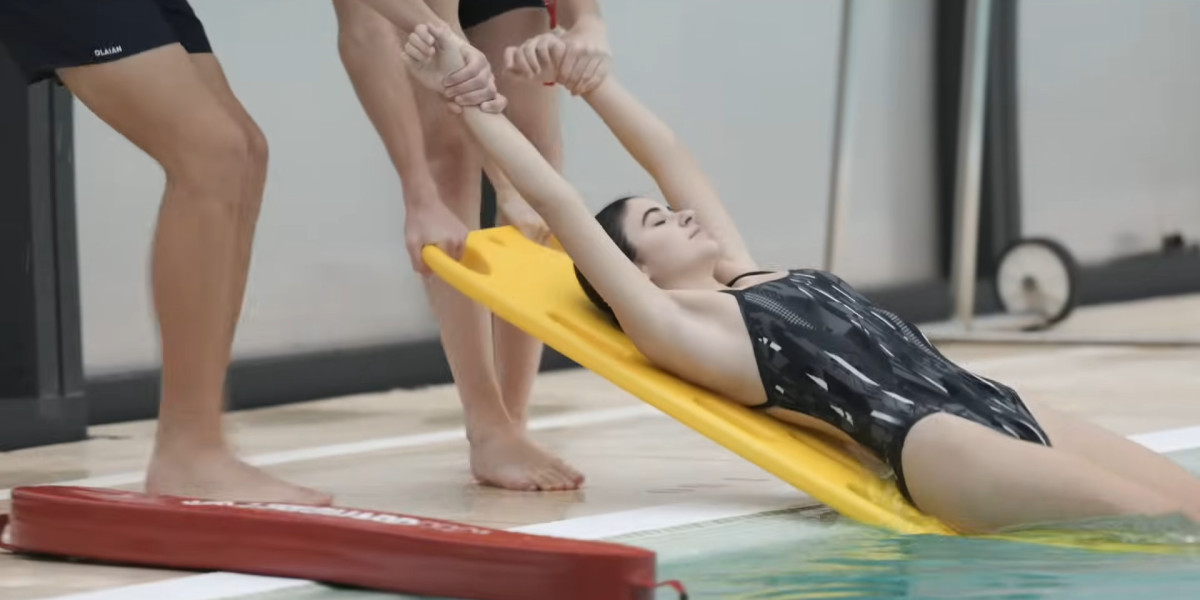

American Lifeguard USA certified training is a popular option for people who want to become confident, job-ready lifeguards with strong emergency response skills. If you’re searching “why choose American Lifeguard USA certified training?”, you’re likely looking for a program that feels practical, recognized, and focused on real-world aquatic safety.
From pools to beaches and water parks, lifeguards play a critical role in preventing accidents and responding quickly when emergencies happen. A strong certification course helps trainees build the right mix of rescue knowledge, physical readiness, and decision-making skills under pressure.
Lifeguard certification is often a requirement for employment, and quality training makes a real difference in how prepared you feel on duty. Many trainees choose American Lifeguard USA certified training because they want structured learning, hands-on practice, and clear certification outcomes.
This guide explains the value of American Lifeguard USA certified training. It covers what to expect, key skills taught, how certification generally works, and how to find reputable training options near you—using a people-first approach aligned with Google E.E.A.T.
Summary
This guide explains why American Lifeguard USA certified training can be a strong choice for aspiring lifeguards who want practical, safety-focused instruction. It covers core lifeguard skills (surveillance, rescue techniques, CPR/first aid, equipment use, communication and teamwork), what to expect during training, and how scenario-based learning builds real emergency readiness. You’ll also learn about certification requirements and renewal, types of lifeguard training programs (pool, beach, water park), and how to evaluate course quality to ensure you’re choosing a credible, people-first option.
Why Lifeguard Training Matters
Lifeguard training is essential for maintaining safety in aquatic settings. It prepares individuals to respond to emergencies promptly and professionally. Lifeguards must be ready to act quickly to prevent drownings, injuries, and medical incidents.
Being a lifeguard involves more than strong swimming skills. High-quality training teaches you how to spot risk early, enforce safety rules calmly, and respond with correct techniques when something goes wrong. This preparation is crucial for handling different incidents, including active drowning situations, spinal injuries, or sudden medical emergencies.
Having certified lifeguards on duty brings peace of mind to swimmers and families. Facilities also rely on certified lifeguards to reduce risk and maintain a safe environment. As a result, certification supports trust, professionalism, and public confidence.
Most lifeguard training programs cover essential elements such as:
CPR and First Aid
Rescue techniques
Use of rescue equipment
Emergency communication skills
Training also develops teamwork and communication, which are critical when lifeguards must coordinate rescues or work alongside emergency services.
What to Expect in American Lifeguard USA Certified Training
American Lifeguard USA certified training typically combines theory with hands-on skill practice. The best programs focus on building real confidence through repetition, coaching, and scenario-based learning.
Training often includes swimming drills to strengthen water endurance and confidence. Trainees practice rescue entries, approaches, victim support techniques, and safe exits. Instructors also teach the proper use of rescue equipment and emphasize speed, safety, and decision-making.
CPR and first aid training are key components. Trainees practice lifesaving techniques repeatedly to improve accuracy and calm performance under stress. This is essential because emergencies require immediate action.
Most courses also include simulated rescue scenarios that mimic real situations. These simulations help trainees improve critical thinking, teamwork, and the ability to stay focused in high-pressure environments.
A typical lifeguard training course covers:
Swimming proficiency and endurance
Basic CPR and first aid
Use of backboards and rescue buoys/tubes
Techniques for different water emergencies
The program also focuses on soft skills like communication and teamwork to ensure lifeguards can coordinate effectively during emergencies.
Key Skills and Certifications Covered
In lifeguard training and certification, a wide range of essential skills are taught for effective surveillance and rescue. Strong scanning and prevention techniques are a major focus, because many emergencies can be avoided when risks are recognized early.
Another critical component is CPR and first aid training. Lifeguards must be able to provide immediate care, including chest compressions and AED support if required at the facility.
Lifeguard certification is the official outcome of completing training and passing evaluations. Certification shows that a lifeguard has demonstrated the ability to perform key lifesaving tasks and follow emergency procedures responsibly.
Key competencies covered in lifeguard certification often include:
Mastery of swim and rescue techniques
First aid, CPR, and emergency response steps
Use of rescue equipment (backboards, rescue tubes, etc.)
Handling spinal and head/neck injuries
Emergency action plans and communication procedures
These certifications are important for employment and may require renewal. Maintaining certification helps ensure skills remain current and effective.
Beyond technical skills, training builds leadership and confidence qualities that help lifeguards act decisively and professionally on duty.
Lifeguard Certification: Requirements and Process
Earning lifeguard certification typically involves meeting prerequisites and completing a structured training and evaluation process. Many programs require a minimum age and a pre-course swimming assessment to confirm readiness.
The certification process usually includes both theory and practical training. Candidates learn emergency response techniques and must demonstrate proficiency through written and skills-based exams.
Key steps in the lifeguard certification process include:
Completing required training classes
Passing written and skills exams
Demonstrating rescue techniques in simulated environments
Maintaining certification through periodic renewal or recertification
Course length and cost can vary depending on the provider and format. Some programs offer flexible scheduling or hybrid learning options to make training more accessible.
A people-first tip: Always confirm what the certification includes—especially CPR/first aid coverage, in-person skill checks, and renewal requirements.
Finding American Lifeguard USA Certified Training Near Me
Locating American Lifeguard USA certified training near you is easier with online search tools and local facility resources. Many training providers list their course details and schedules online, allowing you to compare options quickly.
Start with community pools, fitness centers, and aquatic facilities that frequently host training courses. Online searches using terms like “American Lifeguard USA certified training near me” can also reveal local providers and course listings.
When searching for courses, look for:
Course schedules and flexibility
Clear certification details and recognition
Qualified instructors and hands-on practice time
Class size and personal coaching
Location and accessibility
Some courses may offer hybrid options with online learning plus in-person skill sessions. This can be convenient, but make sure the program still provides strong hands-on training and real scenario practice.
Types of Lifeguard Training Programs
Lifeguard training programs vary depending on the aquatic environment. Choosing the right type of training helps ensure you develop the skills needed for the job you want.
Common types of programs include:
Pool lifeguard training
Beach and surf lifeguard training
Water park lifeguard training
Specialized and advanced rescue courses
Pool training focuses on controlled environments and facility rules. Beach training prepares lifeguards for open-water hazards like waves and currents and often requires higher fitness. Water park training focuses on high-traffic areas and special rescue protocols.
Understanding these program types helps you select training aligned with your goals and local job requirements.
Preparing for Emergency Situations: Real-Life Scenarios
American Lifeguard USA certified training—like other strong lifeguard programs—often includes practical scenarios that reflect real emergencies. Scenario-based practice is essential for developing confidence and fast decision-making.
Scenarios may include rescuing unconscious swimmers, managing spinal injuries, and handling crowded environments. These situations teach lifeguards how to assess risk quickly and prioritize safety during stressful moments.
Role-playing helps trainees experience different perspectives and improve teamwork. Switching roles between rescuer and victim strengthens communication and builds real readiness.
Common scenarios covered include:
Unconscious victim rescue
Spinal injury management
Drowning swimmer rescue
Multi-victim emergencies
Realistic training environments may also include challenging conditions such as low visibility, cold water, or strong currents to help lifeguards adapt under pressure.
American Lifeguard USA Training FAQs
What makes American Lifeguard USA certified training a good choice?
Many trainees choose it for structured learning and certification pathways. The best value comes from programs that include hands-on practice, clear assessments, and scenario-based readiness.
How long does certification take?
Course length varies by provider and format, but most lifeguard programs include multiple sessions covering both learning and testing.
Can I do the certification online?
Some theory may be online, but practical skills and assessments are usually completed in person for safety and credibility.
How do I check if a course is reputable?
Look for clear course outlines, qualified instructors, strong reviews, in-person skills evaluation, and transparent certification/renewal policies.
Key FAQs include:
Course format
Training duration
Online vs in-person requirements
Certification renewal
Conclusion: The Value of Choosing American Lifeguard USA Certified Training
Choosing American Lifeguard USA certified training can be a strong decision if you want structured, safety-focused instruction that helps you become confident and emergency-ready. The most important factor is not only the name of the certification but the quality of training, hands-on practice, and scenario drills that prepare you for real-world emergencies.
Lifeguard training goes beyond swimming lessons. It builds lifesaving ability, leadership, confidence, and community responsibility. With the right course and commitment to practice, you gain skills that can protect lives and support your long-term career goals.