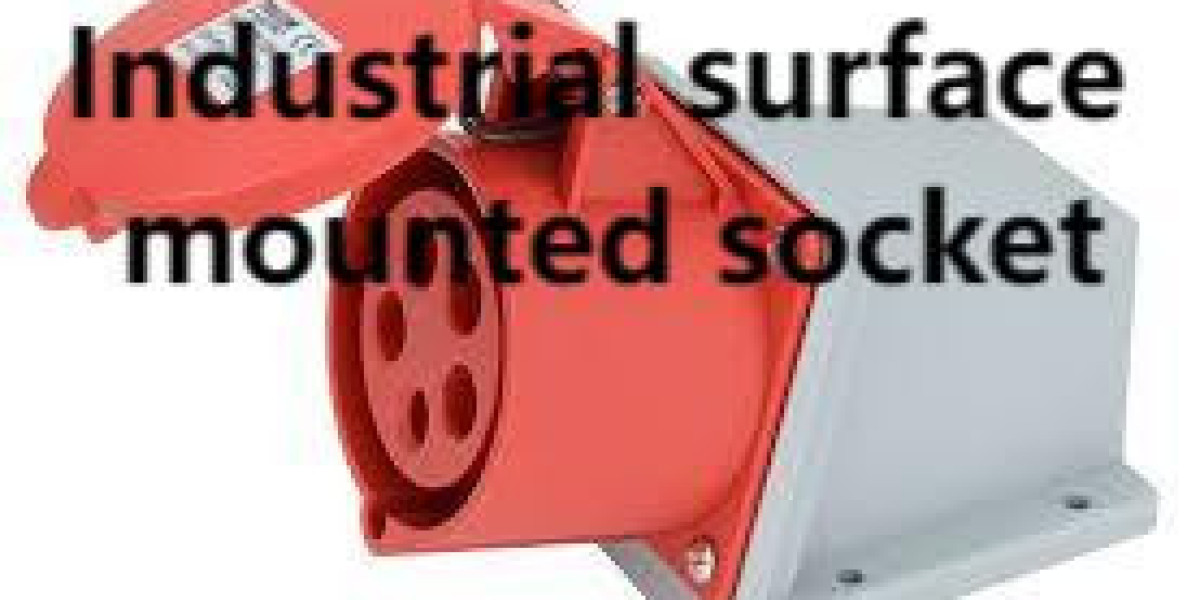

In demanding workshops and production lines, a properly specified Industrial surface mounted socket placed at strategic heights improves access and reduces dangerous cable runs, and installing a Industrial surface mounted socket early in the layout phase prevents costly relocations and improves worker safety. Thoughtful specification balances mechanical toughness, ingress protection, and serviceability so that sockets remain dependable under repeated use, impacts, and exposure to contaminants.
Why surface-mounted power points are chosen
Surface-mounted power points are frequently selected for retrofit projects, temporary installations, and locations where wall recessing is impractical. Their major advantage is minimal structural alteration: electricians can fit an assembly directly onto finished surfaces without disrupting insulation, studs, or existing services. In production environments this means power can be deployed quickly to new machines, workstations, or test benches, reducing downtime and simplifying reconfigurations.
Construction and materials that resist abuse
The long-term reliability of surface-mounted fittings hinges on material choices and mechanical design. Die-cast aluminum shells offer excellent strength and heat dissipation for heavy-duty sockets, while stainless steel provides outstanding corrosion resistance for washdown or coastal sites. High-impact thermoplastics are a cost-effective option where dielectric isolation and lighter weight are priorities. Pay attention to reinforcement at mounting points, gasketed lids, and stainless fasteners — these small details often determine whether a fitting survives years of service or fails at the first sign of moisture or impact.
Sealing, ingress ratings, and mechanical protection — Nante options
When specifying sealed units, understand the difference between IP and IK ratings and how they apply to your site. IP ratings address dust and water ingress; choose values that reflect real usage (hose-directed cleaning requires higher ingress protection than simple rain exposure). IK ratings quantify impact resistance — vital where tools, carts, or airborne debris are present. Many product families, including those from Nante, offer modular front plates, lockable covers, and protective shrouds so you can tailor mechanical defenses without changing the internal wiring layout.
Wiring practice, mounting specifics, and strain relief
Correct installation preserves both the electrical integrity and the sealing of the assembly. Use the proper cable glands sized to the cable outer diameter and secure them to maintain IP performance. Route conductors to respect minimum bending radii and avoid sharp bends at entry points to prevent insulation damage. Provide strain reliefs to ensure vibration and movement do not transfer mechanical loads into terminal connections. When mounting, leave a small gap or drainage channel behind the unit when possible so trapped water cannot pool directly against the enclosure face.
Thermal, load, and derating considerations
Surface-mounted sockets often host continuous loads — lighting, heaters, or machine accessories — so assess thermal behavior early. Enclosures in direct sunlight or close to heat-emitting equipment will reach higher internal temperatures; derate connector and conductor capacities accordingly. Where internal heat is unavoidable, choose ventilated designs or thermally conductive backplates to dissipate heat. Thermal management prevents nuisance trips and prolongs the service life of contacts and plastics.
Accessories, modularity, and future-proofing
A practical approach is to prioritize modularity: removable gland plates, swappable socket modules, and extra mounting room for E/MC components. Integrated surge protection modules, RCDs, or lockable isolators simplify compliance with safety rules and make routine inspections quicker. Choose units that accept off-the-shelf module inserts — this reduces lead times for replacements and allows you to standardize spares across multiple sites.
Maintenance routines and fault prevention
Simple periodic checks prevent the majority of socket-related failures. Inspect gaskets for compression set and replace them if seals appear flattened. Verify torque on terminals, especially after initial commissioning and after the first season in service. Check for discoloration on contact faces or evidence of arcing; these are early signs of elevated resistance. Keep a record of inspection dates and findings to track trends and replace consumables proactively rather than reactively.
Ergonomics, placement, and safety policy
Place sockets at heights that match the primary user group and task to reduce awkward postures and accidental tugging of cords. In high-traffic areas, protect sockets with guards or recess them slightly to minimize impact risk. For public-access zones, consider lockable covers to prevent unauthorized use. Integrate labeling that clarifies maximum load ratings and circuit identification so users cannot accidentally overload circuits.
Procurement checklist and specification tips
When procuring surface-mounted assemblies, require technical datasheets showing IP/IK ratings, material specs, and recommended cable glands. Insist on manufacturer torque recommendations and request sample units for fit-checks where mounting tolerances are tight. Evaluate warranty terms and spare-part availability; a supplier who can provide spare front plates, gasketing kits, and socket inserts will reduce downtime in the long run.
In short, effective surface-mounted socket solutions combine robust materials, correct sealing and mechanical protection, careful thermal planning, and pragmatic installation practices. Specifying with an eye to modularity and maintenance reduces total lifecycle cost and keeps production lines running reliably. For technical specifications, model choices, and accessory options suited to heavy-duty installations, explore available products at https://www.nante.com/product/