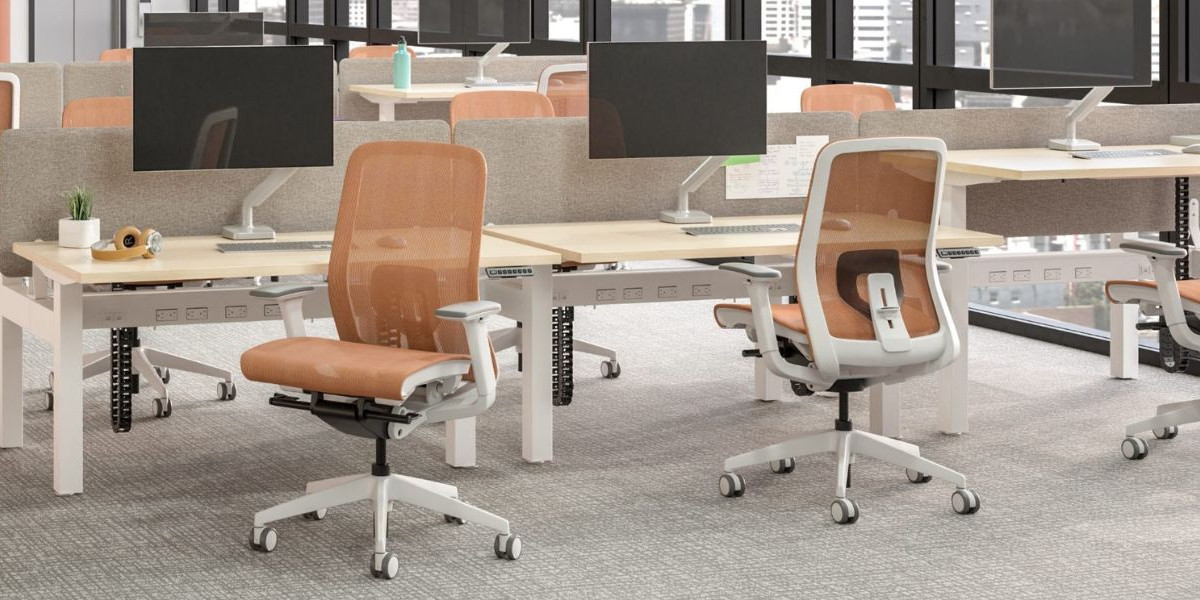

A well-designed workspace directly impacts productivity, employee satisfaction, and how a business is perceived by clients. At the heart of every functional and inspiring workspace lies office furniture, which defines not only the visual identity of an office but also how efficiently people work within it. From executive cabins to collaborative zones, the right furniture choices create balance between comfort, professionalism, and performance. Modern businesses increasingly understand that investing in quality office setups is no longer optional but a strategic decision that supports long-term growth and brand credibility.
The Role of Furniture in Creating a Productive Office Environment
The design of an office environment significantly influences how employees feel and perform throughout the day. Ergonomic chairs, well-proportioned desks, and thoughtfully designed storage solutions help reduce physical strain and mental fatigue. When employees are comfortable, they can focus better, collaborate more effectively, and maintain higher energy levels. Office layouts that integrate practical furniture elements also improve movement flow, reduce clutter, and create a sense of order, all of which contribute to a more productive atmosphere.
Choosing Furniture That Aligns with Business Identity
Every business has a unique personality, and furniture plays a key role in expressing it. A creative agency may opt for contemporary designs with bold colors, while a corporate firm might prefer clean lines and neutral tones that convey professionalism and trust. Consistency in furniture style across departments helps reinforce brand identity and creates a cohesive visual language. Visitors and clients often form opinions within seconds of entering an office, and the furniture they see can subtly communicate values such as innovation, reliability, or sophistication.
Ergonomics and Employee Well-Being
Ergonomics is one of the most important considerations when selecting office furniture. Poorly designed seating and desks can lead to discomfort, posture problems, and long-term health issues. Adjustable chairs, desks at appropriate heights, and supportive backrests help employees maintain proper posture during long working hours. Over time, ergonomic solutions can reduce absenteeism, improve morale, and increase overall efficiency. Businesses that prioritize employee well-being through smart furniture choices often see better retention and job satisfaction.
Maximizing Space with Smart Furniture Solutions
Office spaces, whether large or small, require efficient use of available space. Modular desks, compact storage units, and multifunctional furniture allow businesses to optimize their layouts without compromising comfort. Open-plan offices benefit from flexible furniture that can be reconfigured as teams grow or projects change. Even smaller offices can appear spacious and organized when furniture is chosen with scale, proportion, and functionality in mind. Smart space planning ensures that every square foot serves a purpose while maintaining a clean and professional look.
Materials and Durability for Long-Term Value
The materials used in office furniture directly affect durability, maintenance, and overall appearance. High-quality wood, metal frames, laminates, and fabric finishes are designed to withstand daily use in busy environments. Durable furniture reduces the need for frequent replacements, saving costs over time. Easy-to-maintain surfaces also help keep the office looking polished and hygienic. Selecting furniture with strong construction and reliable materials is an investment in the long-term efficiency and aesthetics of the workspace.
Supporting Collaboration and Communication
Modern offices emphasize collaboration, and furniture design plays a crucial role in supporting teamwork. Conference tables, shared workstations, and comfortable seating areas encourage discussion and idea-sharing. Informal breakout zones with relaxed furniture can inspire creativity and make communication more natural. When furniture supports different working styles, employees can move seamlessly between focused tasks and collaborative activities, resulting in a more dynamic and adaptable work environment.
Creating a Positive First Impression
Reception areas, meeting rooms, and executive spaces are often the first places visitors notice. Furniture in these areas should reflect professionalism and attention to detail. A welcoming reception desk, comfortable visitor seating, and well-designed meeting tables create confidence and trust among clients. Thoughtful furniture placement and design signal that the business values quality and organization, which can positively influence business relationships and decision-making.
Sustainability and Modern Office Choices
Sustainability is becoming an important factor in office design. Many businesses now choose furniture made from eco-friendly materials or sourced through responsible manufacturing practices. Sustainable furniture not only reduces environmental impact but also aligns with modern corporate values. Offices that prioritize sustainability often appeal more to employees and clients who value social responsibility, adding another layer of meaning to furniture selection.
Adapting Furniture to Changing Work Trends
Work trends continue to evolve, with hybrid models and flexible schedules becoming more common. Furniture that supports adaptability, such as height-adjustable desks and mobile storage units, allows offices to adjust to changing needs. Investing in versatile furniture ensures that the workspace remains functional and relevant as business operations evolve. Flexibility in furniture design helps future-proof the office against shifting work patterns.
Conclusion: Investing in the Right Office Solutions
Selecting the right office furniture is about more than filling a space; it is about creating an environment that supports people, productivity, and brand identity. From ergonomics and durability to aesthetics and flexibility, every element contributes to a better workplace experience. Businesses that thoughtfully plan their office interiors are more likely to foster motivated teams and leave lasting impressions on clients. By choosing quality solutions from a trusted provider like office furniture, organizations can build workspaces that are efficient, professional, and ready for the future.