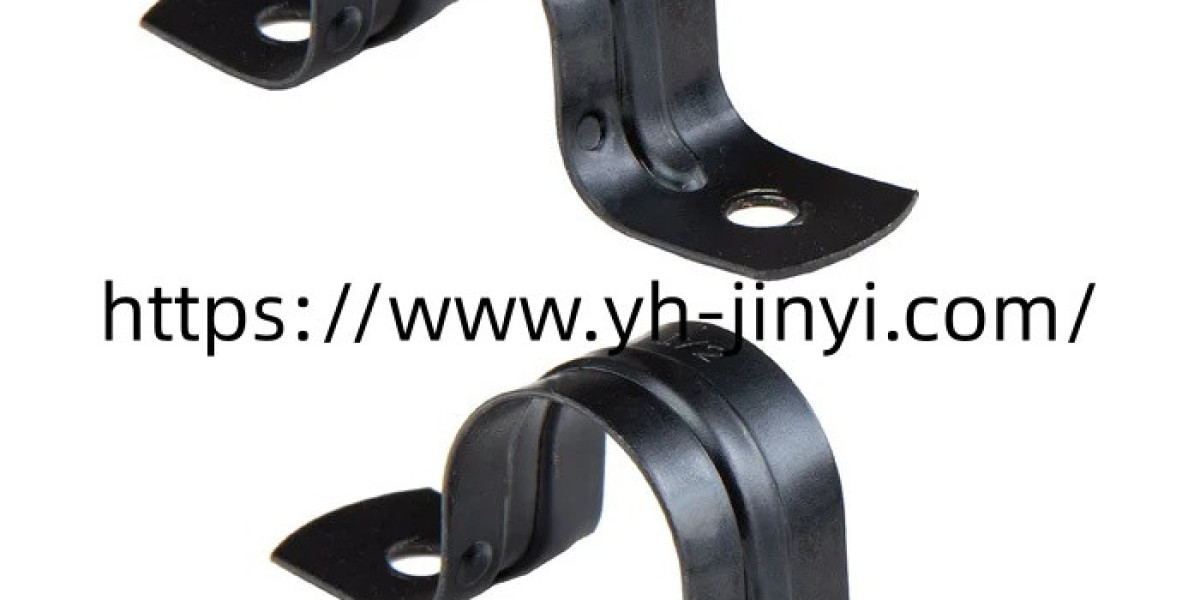

Pipe Strap is a vital component for securing plumbing runs and maintaining system stability. JINYI offers high-quality solutions designed to hold pipes firmly in place while minimizing stress on connections and fittings. Choosing the right strap contributes to safer installations, reduces vibration issues, and ensures long-term reliability in residential, commercial, and industrial systems.
Material selection is the first consideration. Straps made from stainless steel, galvanized steel, or coated metals offer different levels of corrosion resistance depending on the environment. For damp areas or outdoor installations, selecting materials that resist rust extends service life and reduces maintenance requirements. Plastic or composite options can work for lighter applications, but understanding the load requirements is essential to prevent sagging or movement.
Size and fit are equally important. The strap should closely match the pipe diameter, providing secure support without crushing or deforming the pipe. Adjustable or pre-formed options make installation easier while maintaining a snug fit. Proper sizing ensures that the pipe remains aligned and prevents unnecessary stress on joints or supports.
Spacing and mounting also impact performance. Straps should be positioned at intervals appropriate for the pipe type and fluid being carried. Overly wide spacing can allow pipes to bend or vibrate, while too close spacing may increase material use unnecessarily. Following guidelines for distance between supports balances stability with efficiency.
Compatibility with anchors and surfaces is another key aspect. Straps must work with the screws, bolts, or mounting points used in the project. Some installations may involve concrete, wood, or metal surfaces, each requiring appropriate fasteners to maintain the hold. JINYI designs their pipe straps for broad compatibility, making installation straightforward across various materials.
Routine inspection and preventive maintenance contribute to long-term performance. Checking for signs of wear, corrosion, or loosening over time helps avoid potential failures. Replacing straps before significant degradation occurs ensures piping systems remain secure and functional. Maintaining clean surfaces and properly tightened fasteners supports ongoing stability.
In conclusion, selecting the right pipe strap involves evaluating material, size, spacing, mounting compatibility, and maintenance considerations. JINYI offers solutions that meet these needs, providing reliable and practical support for diverse plumbing installations. Detailed information and product options are available at https://www.yh-jinyi.com/