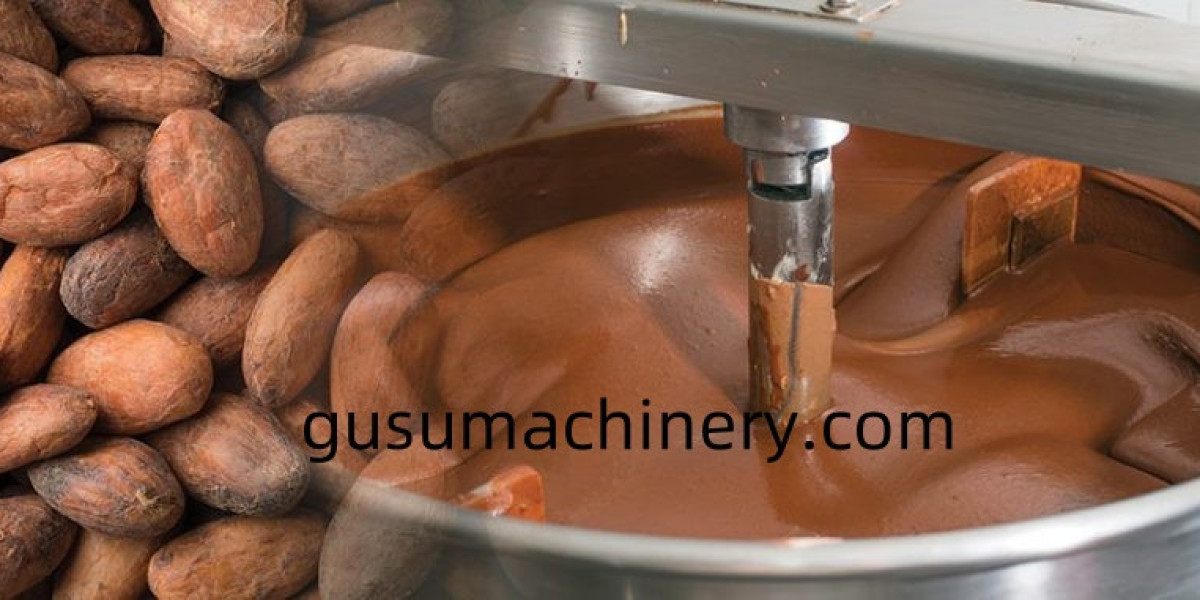

Gusu Chocolate Depositor plays a critical role in shaping final chocolate quality by controlling portion size, mold filling consistency, and surface appearance. Optimizing its operating settings is one of the most effective ways for manufacturers to improve production results without altering existing factory layouts or production lines.
A well-adjusted depositing process begins with stable chocolate temperature control. Chocolate that enters the depositing stage at a consistent temperature flows more evenly, allowing accurate portioning and smooth mold filling. When temperature fluctuates, chocolate viscosity changes, often leading to inconsistent weights, surface defects, and increased rework. Maintaining steady thermal conditions before and during depositing supports reliable daily output.
Flow rate calibration is another important factor. Adjusting flow speed ensures chocolate fills molds completely without creating air pockets or overflow. Balanced flow settings reduce waste while protecting product appearance. Operators typically monitor deposit size at regular intervals, fine-tuning flow parameters to match different chocolate formulations, including milk, dark, and compound coatings.
Nozzle alignment and cleanliness also influence depositing quality. Even small misalignments can cause uneven fills or product smearing. Routine inspection of nozzles helps maintain consistent filling patterns while minimizing residue buildup. Clean equipment supports smooth chocolate release and reduces unplanned stoppages related to clogging or contamination.
Deposit timing synchronization between the depositor and conveyor system further improves efficiency. When conveyor movement and depositing cycles remain precisely aligned, production remains smooth and continuous. Any delay or mismatch can result in spills, misfilled molds, or slowed production speeds. Proper synchronization protects output stability and reduces operator intervention during peak production hours.
Weight control adjustments contribute directly to cost management. Accurate depositing prevents overfilling, which wastes raw materials, and underfilling, which creates quality inconsistencies. Manufacturers often establish standard weight ranges and use frequent checks to ensure that actual output remains within acceptable limits. This consistent approach improves both profitability and product reliability.
Product changeovers are another area where optimized settings offer clear advantages. When parameters are documented and stored for different recipes, switching between products becomes faster and more predictable. Reduced setup time allows factories to respond quickly to customer demand while maintaining consistent product presentation across multiple production runs.
Environmental conditions inside the production area also influence depositor performance. Humidity and room temperature affect chocolate behavior and mold release. Monitoring these factors helps operators make small adjustments that protect overall consistency. When production conditions remain stable, fewer corrections are needed, supporting higher overall equipment utilization.
Operator training plays a key role in maintaining optimized performance. Skilled operators understand how minor setting changes impact final results. Regular training sessions help teams respond quickly to changes in chocolate properties, ingredient variations, and production requirements. This knowledge reduces dependence on trial-and-error adjustments and supports predictable daily output.
As chocolate markets evolve and product variety increases, manufacturers seek equipment setups that allow flexibility without sacrificing stability. Well-optimized depositing systems offer the control needed to manage diverse product lines while maintaining efficient production schedules.
Manufacturers interested in improving depositing performance and overall production control can explore available solutions and technical resources at https://www.gusumachinery.com/