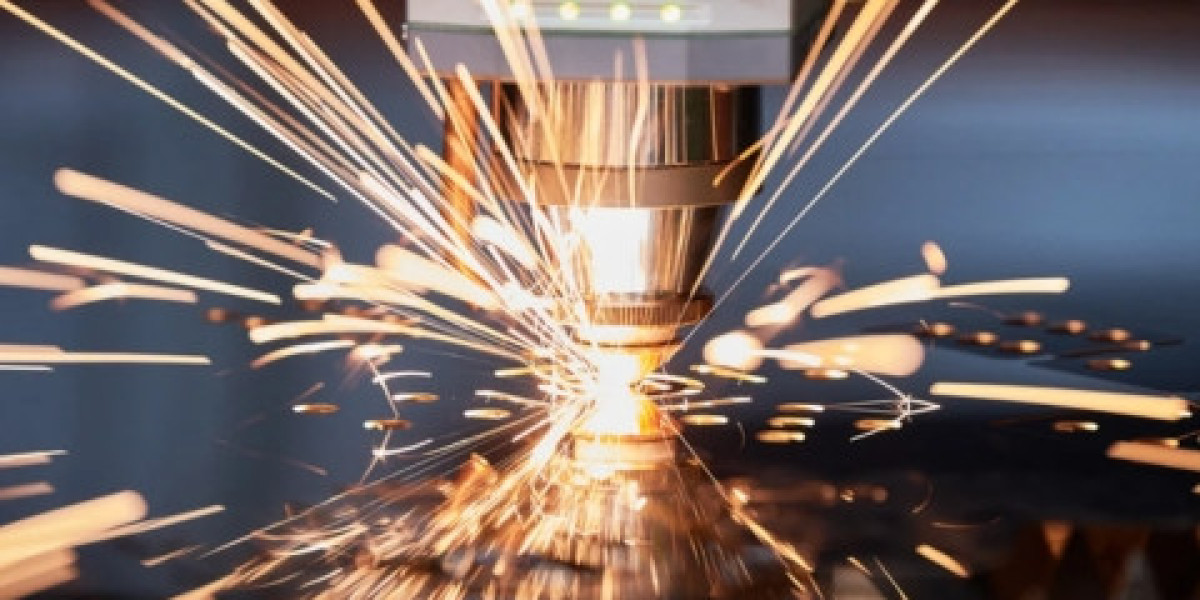

The metal laser cutter is an advanced tool that has redefined the way industries approach metal fabrication. With its ability to deliver unmatched precision and consistency, it has become an indispensable part of modern manufacturing processes. Unlike traditional cutting methods, the metal laser cutter operates using a focused laser beam that interacts with the metal surface to produce clean and accurate cuts. This process allows manufacturers to achieve complex designs and intricate patterns that would be challenging or impossible with conventional methods.
In industrial settings, the metal laser cutter serves a wide range of applications. From automotive manufacturing to aerospace engineering, it provides the capability to cut, engrave, and shape metals with a high degree of accuracy. The technology behind the metal laser cutter relies on advanced optics and control systems that guide the laser along precise paths, ensuring that each cut meets exact specifications. This precision is crucial for industries where even minor deviations can affect the performance or safety of a final product.
One of the key aspects of a metal laser cutter is its versatility. It can process various types of metals, including stainless steel, aluminum, copper, and titanium. This flexibility allows manufacturers to use a single machine for multiple tasks, reducing the need for separate cutting equipment. The ability to work with different metal thicknesses also adds to the adaptability of the metal laser cutter, making it suitable for both heavy-duty industrial applications and delicate design work.
The operation of a metal laser cutter involves directing a high-powered laser beam onto the metal surface. The concentrated energy of the laser melts, burns, or vaporizes the metal along the designated path, producing a precise cut. The process is controlled by sophisticated software that converts digital designs into machine instructions, allowing for complex geometries and detailed patterns to be executed with ease. This digital integration also enables repeatability, ensuring that multiple parts produced from the same design maintain consistent quality and dimensions.
Another notable feature of the metal laser cutter is its ability to achieve smooth edges and minimal material distortion. Unlike mechanical cutting tools, which can create rough edges and deformation, the focused nature of the laser reduces thermal impact on surrounding areas. This precision is particularly important for applications requiring high-quality surface finishes, such as decorative metalwork, architectural components, or intricate industrial parts.
Safety and efficiency are integral to the operation of a metal laser cutter. Modern machines are designed with protective enclosures, ventilation systems, and automated controls to ensure safe operation. Operators can manage complex cutting tasks with minimal physical intervention, reducing exposure to hazards while maintaining productivity. Additionally, the automation capabilities of the metal laser cutter allow for continuous operation, supporting high-volume production schedules and reducing downtime between tasks.
In addition to industrial use, the metal laser cutter has also found applications in creative and design fields. Artists and designers utilize the technology to craft custom metal sculptures, signage, and furniture components. The ability to translate intricate designs directly from digital files into precise metal cuts has opened new possibilities for creative expression. This intersection of technology and artistry showcases the broad potential of the metal laser cutter beyond conventional manufacturing.
The integration of computer-aided design (CAD) software with the metal laser cutter further enhances its capabilities. Designers can create highly detailed models and directly feed them into the cutting system, ensuring that the physical output matches the digital concept. This seamless workflow minimizes errors and streamlines the production process, allowing for rapid prototyping, small-batch production, and large-scale manufacturing alike. The combination of digital precision and laser technology makes the metal laser cutter a pivotal tool in both innovation and industrial efficiency.
Maintenance and operational control also play a significant role in the performance of a metal laser cutter. Regular calibration and proper handling ensure that the laser maintains consistent cutting quality over time. Advanced systems often include diagnostic and monitoring features, allowing operators to track machine performance, optimize settings, and anticipate maintenance needs. This proactive approach contributes to the longevity of the equipment and the reliability of the cutting process.
Environmental considerations are increasingly relevant in manufacturing, and the metal laser cutter contributes to more sustainable production practices. By minimizing waste through precise cutting and reducing the need for secondary processing, it supports efficient use of materials. The localized energy application of the laser also reduces energy consumption compared to some traditional cutting methods, aligning with modern industrial standards for resource efficiency.
As technology continues to evolve, the capabilities of the metal laser cutter are expanding. New developments in laser power, beam control, and automation are enabling even greater precision, faster processing speeds, and the ability to handle more complex projects. These advancements ensure that the metal laser cutter remains a cornerstone of contemporary metalworking, driving innovation and transforming the possibilities for industrial fabrication.
The metal laser cutter embodies the convergence of precision engineering, digital technology, and practical manufacturing needs. Its ability to perform highly accurate cuts, adapt to various metal types and thicknesses, and integrate seamlessly with digital design systems has established it as a fundamental tool in modern industry. From large-scale industrial projects to artistic and bespoke applications, the metal laser cutter continues to redefine what is achievable in metalworking. Its ongoing evolution promises even more innovative solutions and capabilities in the years to come, positioning it as an essential instrument for both efficiency and creativity in metal fabrication.
The prominence of the metal laser cutter in manufacturing underscores its role as a transformative technology. Companies that adopt this advanced tool benefit from increased production accuracy, reduced waste, and the ability to execute complex designs that were previously unattainable. As industries seek more efficient and flexible solutions, the metal laser cutter stands out as a reliable and forward-looking investment, bridging the gap between traditional metalworking techniques and cutting-edge technological advancement.
The metal laser cutter not only streamlines industrial processes but also inspires innovation across multiple sectors. Its precision, adaptability, and digital integration make it a versatile tool for achieving high-quality results, whether in mass production or custom fabrication. As the technology continues to advance, its applications will expand further, enabling new creative possibilities and industrial efficiencies that redefine the standards of modern metalworking.