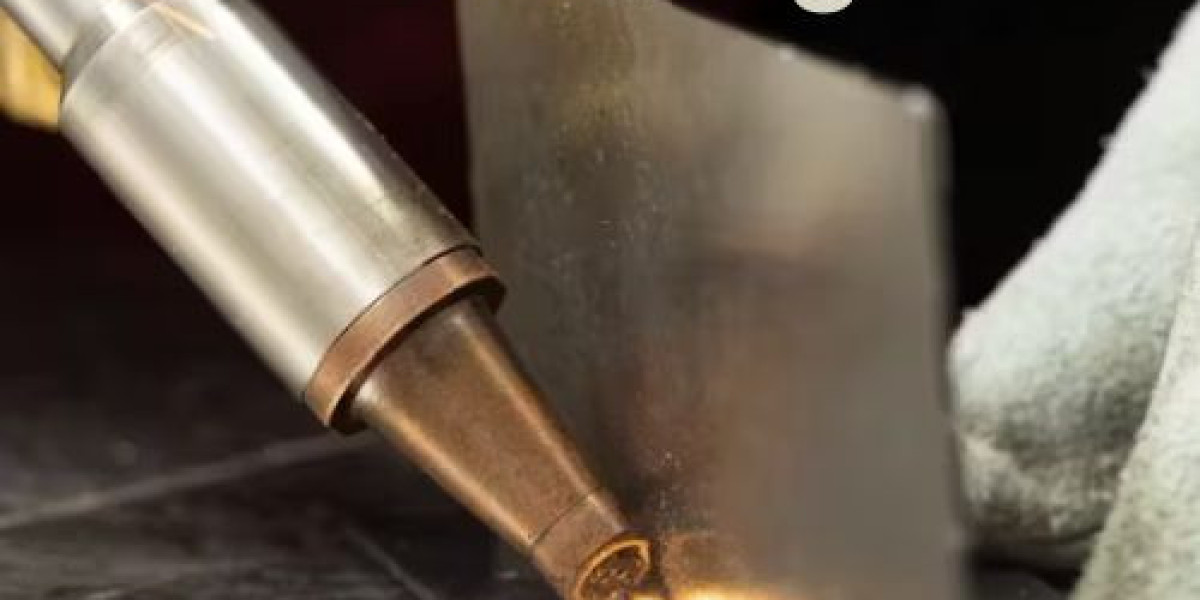

Stainless laser welding has become an essential process in modern metalworking, transforming how industries handle stainless steel fabrication. This method involves using a highly focused laser beam to join stainless steel components with extreme precision. The process is increasingly favored in sectors such as automotive, aerospace, electronics, medical equipment, and manufacturing due to its ability to create strong, clean welds that maintain the integrity of the material.
The principle behind stainless laser welding is relatively straightforward yet highly technical. A concentrated laser beam generates sufficient heat to melt the edges of stainless steel components. Once melted, the material fuses together, forming a seamless joint. The precision of the laser allows welders to control the depth and width of the weld, which is crucial when working with thin sheets or complex geometries. Unlike traditional welding methods, stainless laser welding offers controlled heat input, reducing the risk of warping or altering the stainless steel’s properties. This level of control is especially important in high-precision industries where tolerance levels are minimal and aesthetic appearance is critical.
In stainless laser welding, multiple types of lasers can be employed depending on the application requirements. Fiber lasers, for example, are commonly used for their energy efficiency and high beam quality. They provide excellent focus and consistency, allowing welders to work on delicate or intricate stainless steel designs without compromising strength. CO₂ lasers, another type, are used in applications requiring higher power outputs or deeper penetration. The choice of laser depends on factors such as material thickness, joint design, and production volume. Regardless of the type, each laser system provides unmatched precision compared to conventional welding techniques.
One of the defining aspects of stainless laser welding is its adaptability. It can be applied to a wide range of stainless steel grades, from the most common 304 and 316 alloys to specialized high-performance steels. This versatility allows manufacturers to maintain uniform welding processes across different products without requiring multiple welding methods. Additionally, stainless laser welding can handle both butt joints and lap joints efficiently. Its precise beam control ensures even heat distribution across the weld area, producing consistent results across long production runs.
The process of stainless laser welding is supported by advanced automation technology. Modern laser welding machines often integrate robotic arms or CNC systems, enabling fully automated operations. Automation enhances repeatability, ensuring every weld meets strict quality standards. For industries producing large volumes of stainless steel products, this combination of laser technology and automation is particularly valuable. It reduces human error, increases throughput, and provides manufacturers with greater flexibility in production planning.
Environmental factors are also an important consideration in stainless laser welding. The controlled heat input minimizes the formation of oxidation and discoloration on the surface of stainless steel, maintaining its polished appearance. Additionally, laser welding can be performed in inert gas environments to prevent contamination of the weld pool. This capability is crucial for applications where surface finish and corrosion resistance are critical, such as in medical instruments or food processing equipment.
Stainless laser welding also supports advanced design possibilities. The precision of laser technology allows manufacturers to create complex shapes, fine details, and miniature components that would be challenging with conventional welding methods. This has opened new opportunities in industries like electronics and medical devices, where miniaturization and precise geometries are often required. Furthermore, the process enables the joining of dissimilar metals in some cases, expanding the design possibilities even further.
Another important factor is productivity. Stainless laser welding systems operate at high speeds, completing welds in a fraction of the time compared to traditional methods. The focused laser beam melts only the targeted area, reducing energy consumption and optimizing material usage. This efficiency makes stainless laser welding a cost-effective solution for large-scale production while maintaining superior quality. Additionally, the technology allows for continuous operation, making it ideal for assembly line integration in industries that require consistent high output.
Quality control is integral to stainless laser welding. Modern systems are equipped with monitoring tools to track the welding process in real-time. Parameters such as laser power, welding speed, and focal position are constantly measured and adjusted to ensure each weld meets specifications. This level of precision reduces the likelihood of defects, rework, or product rejection. For industries such as aerospace and medical devices, where reliability is paramount, stainless laser welding provides a level of assurance that traditional methods cannot match.
The industrial applications of stainless laser welding are extensive. In the automotive sector, it is used to assemble exhaust systems, fuel components, and structural frames. The aerospace industry relies on stainless laser welding for components that demand lightweight construction and high strength, such as turbine parts and aircraft interiors. In medical equipment manufacturing, the process ensures the production of surgical instruments and implants that require sterile, precise joints. Electronics manufacturers benefit from stainless laser welding when producing housings, connectors, and micro-scale components. Even consumer products, from kitchen appliances to architectural elements, leverage this technology for durable and visually appealing results.
Training and expertise play a significant role in stainless laser welding. While automation reduces manual intervention, operators must understand the principles of laser-material interaction, thermal management, and safety protocols. Proper setup of the laser parameters, workpiece positioning, and shielding gases is essential for achieving consistent results. Many industries invest in specialized training programs to ensure operators and engineers are proficient in using these sophisticated systems. This combination of skilled personnel and advanced machinery creates a synergy that elevates production quality and efficiency.
Maintenance of stainless laser welding systems is another important aspect. Regular cleaning of optics, calibration of laser output, and inspection of robotic components help maintain precision and prevent downtime. Unlike traditional welding equipment, which may require frequent replacement of consumables, stainless laser welding machines have longer service intervals when properly maintained. This reliability makes them a preferred choice for manufacturers seeking long-term solutions that balance productivity and operational costs.
The continuous evolution of stainless laser welding technology promises further advancements. Emerging trends include higher-powered fiber lasers, adaptive control systems, and integration with artificial intelligence for predictive maintenance and process optimization. These innovations aim to increase welding speed, expand material compatibility, and enhance overall production quality. Industries that adopt these cutting-edge solutions position themselves to remain competitive while meeting ever-increasing demands for precision and reliability.
In summary, stainless laser welding represents a revolution in metal joining. Its precision, speed, adaptability, and integration with automation technology make it a cornerstone of modern industrial manufacturing. From automotive and aerospace to medical and electronics industries, the applications are broad and growing. The combination of high-quality results, efficiency, and advanced design possibilities makes stainless laser welding an indispensable process for manufacturers who prioritize precision and reliability in stainless steel production.