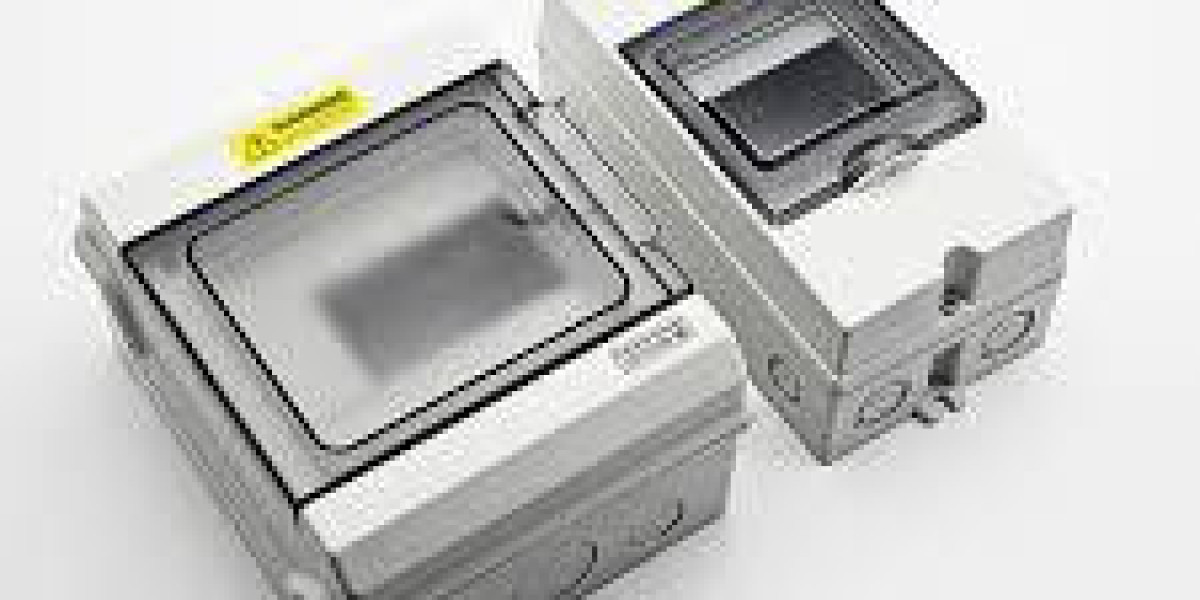

In outdoor and semi-outdoor electrical installations, the Weatherproof db box often occupies a quiet but critical position within a system, protecting circuits from rain, dust, and temperature swings while remaining unobtrusive in the middle of a façade or service corridor. For engineers and site managers who must balance safety, accessibility, and longevity, specifying a reliable Weatherproof db box early in the design process prevents costly rework and improves uptime for the entire installation.
Why Weatherproofing Matters
Exposure to moisture and airborne contaminants is a leading cause of electrical faults in exterior installations. Properly weatherproofed enclosures keep wiring, terminal blocks, and breakers dry and free from corrosive particles, reducing the risk of short circuits and premature component failure. When a project includes a thoughtfully selected enclosure, it becomes much easier to meet local codes and achieve consistent, predictable performance in challenging climates.
Materials, Seals, And IP Ratings
Not all boxes are created equal. The choice of material — UV-stabilized polycarbonate, stainless steel, or powder-coated aluminum — affects corrosion resistance and thermal behavior. Equally important are seals and gaskets: silicone or EPDM gaskets that are compressed by flanges or captive screws maintain a secure barrier against water ingress. Understanding IP (Ingress Protection) ratings helps purchasers match an enclosure to expected hazards; for example, IP65 signifies protection against jets of water, while IP66 adds resistance to more powerful streams.
Designing For Serviceability
A durable enclosure that is difficult to access can become a liability. Service-friendly features — removable glands, hinged doors with quick-release latches, clearly labelled internal mounting plates, and modular knockouts — reduce maintenance time and minimize the chance of installation errors. Consider routing paths and cable entry points during the planning stage so technicians can perform diagnostics and replacements without compromising the enclosure’s weatherproofing.
Thermal Management And Condensation Control
Temperature swings and trapped humidity create condensation, which threatens terminals and control electronics. Venting solutions, thermal breaks, and internal insulation can mitigate these effects. In some designs, passive venting with Gore membranes or desiccant packs prevents moisture buildup while maintaining ingress protection. For heat-generating equipment, integrate adequate airflow or consider active cooling where ambient temperatures regularly exceed equipment tolerances.
Installation Best Practices
Proper mounting, grounding, and clearance are essential to preserving the integrity of an enclosure. Use corrosion-resistant fasteners and gasketing procedures recommended by the manufacturer. Verify that cable glands are tightened to specification and that any conduit or trunking connecting to the box is sealed appropriately. Position the box where water splash, direct sunlight, and mechanical impact are minimized, and document the enclosure’s location and serial number within maintenance records.
Choosing the right enclosure balances short-term convenience with long-term reliability. Thoughtful selection, correct installation, and periodic inspections prevent many common failures associated with outdoor electrical systems. For designers and installers seeking robust, tested options that prioritize protection and serviceability, resources and product information are available at www.nante.com