
Pakistan is a land of diverse landscapes, rich history, and vibrant cultures. From towering mountains and serene valleys to bustling cities with centuries-old architecture, the country offers an array of experiences for every traveler. If you are planning your next adventure, exploring the pakistan top destinations is a perfect starting point to uncover the best the country has to offer. This guide will take you on a journey across some of the most remarkable places that define the true essence of Pakistan.
Majestic Mountain Retreats That Inspire Awe
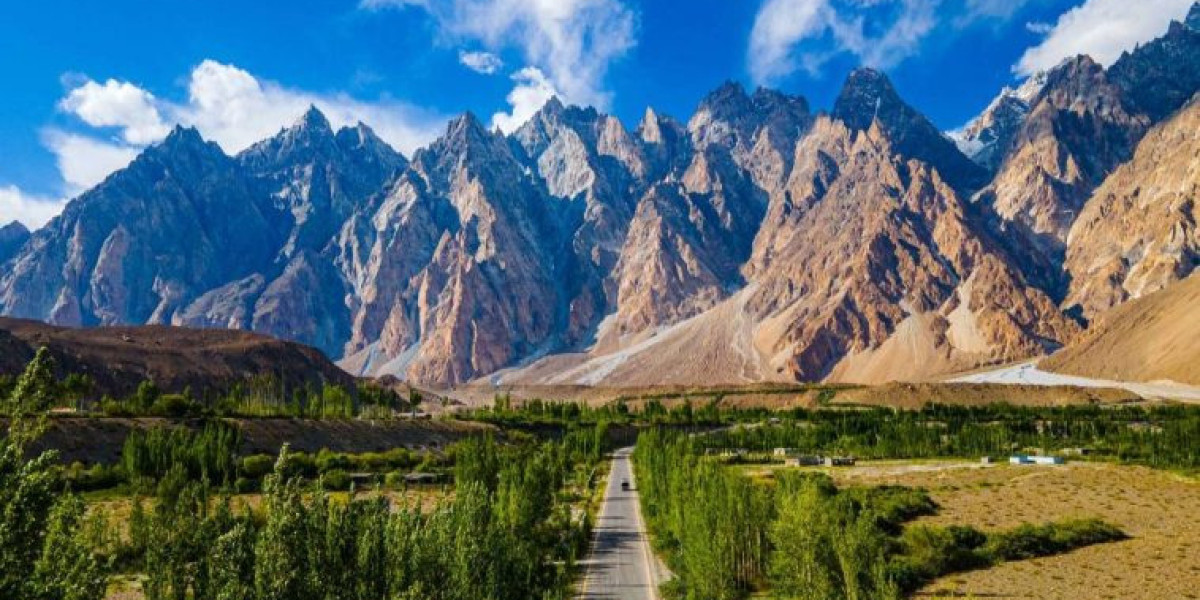
The northern region of Pakistan is renowned for its breathtaking mountains, which attract adventurers and nature enthusiasts from around the globe. Places like Hunza, Skardu, and Naran showcase panoramic views that seem almost unreal. Hunza Valley, with its lush green terraces and snow-capped peaks, offers an enchanting experience for visitors seeking peace and tranquility. The Karakoram Highway, often referred to as the eighth wonder of the world, provides access to these majestic heights while offering mesmerizing scenic drives.
Skardu, on the other hand, is the gateway to some of the world’s highest peaks, including K2. It is ideal for trekking, camping, and exploring glacial lakes such as Shangrila and Sheosar. Similarly, Naran and Kaghan valleys provide picturesque landscapes with flowing rivers, dense forests, and vibrant flora. These mountainous retreats are perfect for photography, hiking, and simply absorbing the pristine beauty of nature.
Cultural Heartlands Rich in History and Tradition
Pakistan’s cultural richness is evident in its historic cities and architectural marvels. Lahore, the cultural capital, is a treasure trove of Mughal-era monuments. The Lahore Fort and Badshahi Mosque stand as testaments to the grandeur of a bygone era, while the bustling streets of the Walled City immerse visitors in traditional markets and authentic culinary experiences. Multan, also known as the city of saints, offers insights into Sufi culture through its ancient shrines and intricate handicrafts.
Islamabad, the modern capital, combines contemporary architecture with green landscapes. Its iconic Faisal Mosque is not only a spiritual landmark but also a visual spectacle set against the backdrop of the Margalla Hills. Exploring these cultural heartlands allows travelers to appreciate the depth of Pakistan’s history while witnessing the harmonious blend of tradition and modernity.
Enchanting Lakes and Rivers for Serenity Seekers
Water bodies across Pakistan are ideal destinations for relaxation and leisure. Lake Saif-ul-Malook in the northern areas is famed for its emerald waters and surrounding snow-clad peaks. Boating, fishing, or simply enjoying the serene environment here offers a rejuvenating escape from city life. Similarly, Attabad Lake in Hunza, formed after a landslide, has transformed into a spectacular tourist attraction with its turquoise waters and surrounding cliffs.
The Indus River, flowing through multiple provinces, is a lifeline that nurtures agriculture and offers scenic riverbanks for visitors. Fishing enthusiasts and nature lovers can explore its banks for tranquil experiences while observing the diverse wildlife that thrives in these regions.
Vibrant Cities with Unique Experiences
Beyond natural beauty, Pakistan’s urban centers are full of life and unique experiences. Karachi, the country’s largest city, is a melting pot of cultures with lively markets, beautiful beaches, and modern shopping districts. The Clifton Beach and Manora Island are popular spots for both locals and tourists seeking a coastal retreat.
Peshawar, with its rich Pashtun heritage, provides a glimpse into traditional markets and centuries-old forts. Visitors can explore the Qissa Khawani Bazaar, indulge in local street food, and witness the craftsmanship of artisans who have passed their skills down through generations. Each city offers a distinct personality that complements the natural landscapes and historical treasures found elsewhere in Pakistan.
Adventure and Wildlife Opportunities
For adventure seekers, Pakistan provides endless opportunities. Trekking through the remote valleys, mountaineering in the northern ranges, and exploring deserts in Sindh and Balochistan are activities that cater to adrenaline enthusiasts. Fairy Meadows, often considered one of the most beautiful camping sites in the world, offers a unique chance to camp under the stars with K2 towering in the distance.
Wildlife enthusiasts can explore national parks such as Khunjerab and Ayubia, where unique flora and fauna thrive. Snow leopards, ibex, and a variety of migratory birds make these parks a haven for nature lovers and photographers.
Festivals and Local Experiences
Visiting Pakistan is not just about landscapes and history; it’s also about immersing yourself in local traditions. Seasonal festivals like the Shandur Polo Festival, Basant Kite Festival in Lahore, and the vibrant Urs celebrations across the country provide authentic cultural experiences. Sampling traditional foods like biryani, chapli kebabs, and regional sweets adds another layer to your journey, making it more than just sightseeing but a deep dive into the local way of life.
Planning Your Trip
When planning your trip, it is important to consider the best times to visit different regions. The northern areas are most pleasant between April and September when the weather is favorable for trekking and sightseeing. Southern cities like Karachi and Hyderabad offer better experiences in winter months when temperatures are cooler. Proper planning ensures you make the most of Pakistan’s diverse attractions without facing extreme weather challenges.
Sustainable Tourism Practices
As tourism grows, sustainability becomes increasingly important. Travelers are encouraged to respect local cultures, minimize waste, and support eco-friendly initiatives. Many regions now offer responsible tourism experiences where visitors can contribute to local communities and conservation efforts while enjoying the beauty of the landscapes. Sustainable practices not only preserve Pakistan’s natural and cultural heritage but also enhance the quality of travel experiences.
Frequently Asked Questions
What is the best time to visit Pakistan
The northern regions are ideal from April to September, while southern cities are more enjoyable during winter months. Timing depends on the type of activities you plan to do.
Are these destinations safe for tourists
Most popular tourist spots are considered safe, but it is advisable to stay informed about local conditions and follow travel advisories.
How can I reach these remote valleys
Major cities serve as gateways with domestic flights, buses, and road travel options. Roads like the Karakoram Highway connect many northern areas to the rest of the country.
Do I need a visa to visit Pakistan
Yes, most international travelers require a visa, which can often be obtained online or through Pakistani embassies.
Can I find guided tours for these destinations
Yes, professional travel agencies offer guided tours, trekking expeditions, and cultural experiences across the country.