
There's something quietly remarkable happening across Adelaide's suburbs, something most people never stop to consider. That rusty sedan gathering cobwebs in your neighbour's driveway, the beaten-up ute slowly sinking into the earth behind the garage, or even that once-proud family wagon now serving as little more than a very expensive garden ornament—these forgotten relics aren't just eyesores waiting for council complaints. They're untapped resources, silent opportunities, and surprisingly valuable assets disguised as automotive afterthoughts.
The transformation of abandoned vehicles from burden to benefit has become one of Adelaide's unsung success stories, a fascinating intersection where environmental responsibility meets economic opportunity. What was once destined for landfill has evolved into a sophisticated cycle of recovery, renewal, and reward. The journey from neglected metal heap to cold hard cash isn't just possible anymore; it's become remarkably straightforward, accessible to anyone willing to make a single phone call.
This transformation isn't happening by accident. Companies like Car Wreckers Adelaide have revolutionised how South Australians think about their unwanted vehicles, creating systems where Free car removals Adelaide services turn automotive headaches into immediate financial relief. The shift represents more than just convenience; it's a complete reimagining of what we consider waste and what we recognise as wealth. Understanding how this process works, and why it matters, opens up perspectives that might just change how you view that clunker taking up space on your property.
The Hidden Value Sleeping in Your Driveway
Most vehicle owners reach a point where their trusted companion becomes more problem than solution. Perhaps the repair costs finally exceeded the car's actual worth, or maybe mechanical failure rendered it undriveable. Whatever the reason, once a vehicle stops serving its primary purpose, it's easy to assume its value has evaporated entirely. This assumption couldn't be further from reality.
Every vehicle, regardless of its condition or operability, contains substantial value within its structure. The steel forming the body panels, the aluminium in the engine block, the copper threading through electrical systems, and the precious metals hiding within catalytic converters all retain market worth. Even vehicles that haven't moved in years, sporting flat tyres and bird nests under the bonnet, carry hundreds or even thousands of dollars in recoverable materials.
Beyond the obvious metals, modern vehicles contain an astonishing array of components that maintain value through reuse. Functional parts stripped from non-working vehicles find new life in other automobiles, extending their service and reducing the demand for newly manufactured components. This circular economy approach means your abandoned vehicle isn't just scrap waiting to be melted down; it's a repository of perfectly good parts that other owners desperately need.
The challenge for most people has never been the presence of value but rather accessing it. Selling parts individually requires mechanical knowledge, storage space, and endless patience dealing with potential buyers. Traditional scrapyards often offered insultingly low prices and expected owners to somehow transport immobile vehicles to their facilities. This gap between potential value and practical access left countless vehicles languishing indefinitely, their worth slowly degrading alongside their bodywork.
Why Traditional Disposal Methods Failed Adelaide Residents
For decades, South Australian vehicle owners faced an impossible choice when their cars reached the end of serviceable life. They could invest money they didn't have into towing and disposal fees, accept lowball offers from scrapyards who knew desperate sellers had limited options, or simply leave the vehicle to deteriorate on their property indefinitely. None of these alternatives felt remotely satisfactory.
The traditional scrap industry operated on models that prioritised the buyer's convenience over the seller's needs. Owners bore the burden of transportation, often paying more in towing fees than they'd receive for the vehicle itself. The negotiation process typically involved assessments that somehow always favoured the buyer, with sellers having little leverage to dispute valuations. The entire experience felt designed to extract maximum value from vehicles while providing minimum benefit to their owners.
Private sales presented their own nightmares. Listing a non-running vehicle attracted either tire-kickers with no genuine intent or opportunists hoping to exploit the seller's predicament. The process consumed weeks or months, required constant availability for viewings, and frequently ended with ghosted conversations or negotiations that collapsed at the last moment. For working families without spare time or retirees without the energy for such hassles, private sales simply weren't practical.
Donation programmes, while admirable in theory, rarely provided financial compensation and still required owners to arrange transportation. Councils occasionally offered collection services, but these typically charged fees and provided no payment whatsoever. The fundamental problem persisted across all traditional methods: they treated unwanted vehicles as the owner's problem to solve rather than as resources with inherent value worth recovering.
The Adelaide Solution That Changed Everything
The emergence of modern vehicle collection services fundamentally altered this equation by inverting the traditional relationship. Rather than forcing owners to chase down buyers, the new model brought buyers directly to owners' doorsteps. Rather than extracting maximum profit by paying minimum prices, competitive services understood that fair compensation created sustainable business through positive word-of-mouth and repeat customers.
This transformation didn't happen overnight. It required infrastructure investments, sophisticated logistics planning, and honest pricing models that treated vehicle owners as partners rather than marks. The successful services recognised that abandoned vehicles represented win-win opportunities: owners received immediate cash for assets they couldn't otherwise monetise, while collection services accessed steady supplies of recoverable materials and resellable components.
The process itself became refreshingly simple. A single phone call or online enquiry initiated valuations based on honest assessments of make, model, year, and condition. Fair offers arrived quickly, without games or negotiations designed to wear down sellers. Once accepted, collection happened at times convenient to owners, not just during narrow business hours. The entire transaction, from initial contact to cash in hand, often completed within a single day.
What made this approach particularly revolutionary was its accessibility. Location ceased to matter; services now reached suburban homes, rural properties, and everywhere between. Vehicle condition became irrelevant; whether running perfectly or rusted through, fair compensation applied. Paperwork complexities vanished; experienced services handled transfer documentation, simplifying what previously felt bureaucratically overwhelming.
Understanding the Environmental Windfall
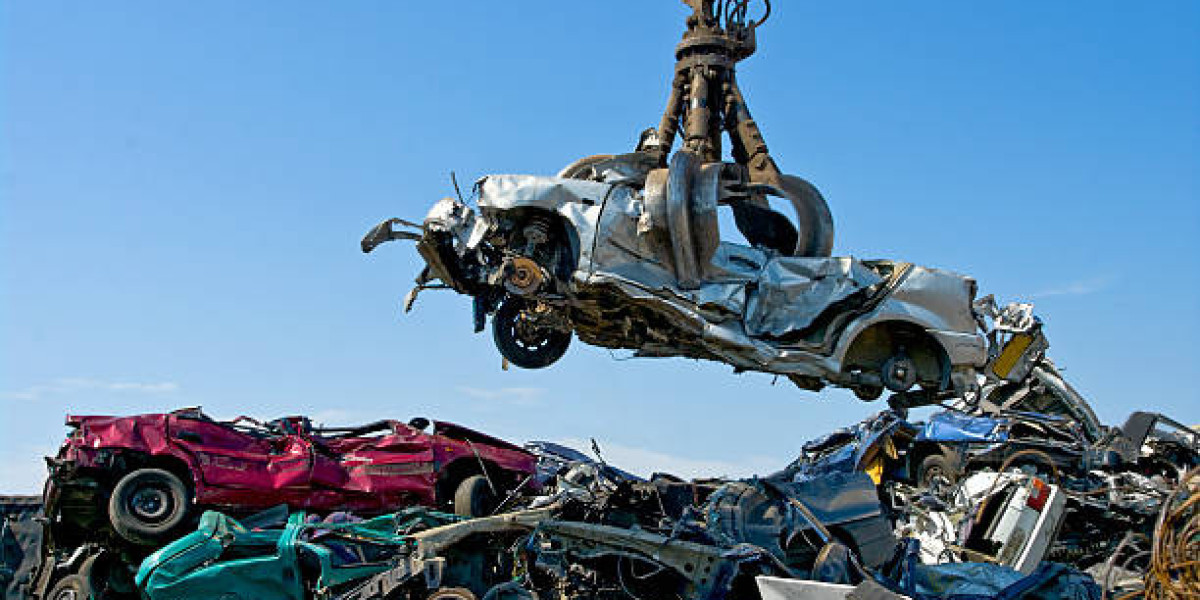
Beyond personal financial benefit, the modern approach to vehicle recovery delivers substantial environmental advantages that ripple across the entire community. When vehicles sit abandoned, they slowly leach fluids into soil and groundwater. Engine oil, transmission fluid, brake fluid, and coolant don't simply evaporate; they seep downward, contaminating ecosystems with chemicals that persist for decades. Professional collection services immediately halt this contamination by properly draining and disposing of all hazardous fluids according to environmental regulations.
The recycling component extends far beyond simply crushing metal. Modern facilities systematically dismantle vehicles, separating materials into distinct categories. Ferrous metals go to steel mills, aluminium to specialised smelters, plastics to recycling facilities, and glass to appropriate processors. This separation maximises recovery rates and ensures materials re-enter manufacturing streams rather than consuming landfill space.
Reusable parts represent perhaps the most significant environmental benefit. When a functional alternator, transmission, or door panel finds new life in another vehicle, it prevents the energy expenditure and resource consumption required to manufacture a replacement. The environmental cost of producing new automotive components far exceeds the impact of recovering and reusing existing parts, making the second-hand component market crucial for sustainability.
The cumulative impact of thousands of properly processed vehicles adds up to measurable environmental improvements. Reduced mining demand for virgin metals, decreased manufacturing emissions from part production, prevented groundwater contamination from leaking fluids, and diverted waste from landfills all contribute to a cleaner, healthier Adelaide. Every responsibly recycled vehicle represents a small victory for environmental stewardship.
The Economics Behind Fair Compensation
Understanding why modern services can offer genuine value for apparently worthless vehicles requires looking at the sophisticated economics driving the industry. The key lies in vertical integration and volume processing. Companies that control multiple stages of the recycling process capture value at each step, from initial collection through final material sale. This integrated approach generates revenues that support fair compensation at the initial purchase.
Metal commodity markets play a crucial role in vehicle valuations. Steel, aluminium, copper, and precious metals all trade on global exchanges at prices that fluctuate based on industrial demand. When commodity prices rise, vehicle values increase accordingly. Professional services monitor these markets constantly, adjusting offers to reflect current conditions. This market awareness ensures owners receive compensation aligned with actual material worth rather than arbitrary lowball figures.
The parts resale market adds another significant revenue stream that supports better vehicle pricing. Mechanical components, body panels, electrical systems, and interior elements all command prices from repair shops and individual mechanics seeking affordable alternatives to new parts. A single transmission might sell for several hundred dollars, while smaller components generate steady incremental revenues that collectively add substantial value to each processed vehicle.
Operational efficiency enables companies to maintain profitability while offering competitive prices. Streamlined logistics, optimised processing workflows, and established buyer relationships reduce costs throughout the chain. These savings translate into ability to pay owners more while still maintaining healthy business margins. The model works because efficiency improvements benefit everyone involved.
What This Means for Adelaide Property Owners
The practical implications of accessible vehicle collection services extend far beyond simple convenience. Property values suffer when abandoned vehicles create visual blight, and neighbours increasingly raise concerns through council channels. Removing eyesore vehicles immediately improves property presentation, benefiting both current enjoyment and future sale prospects. The financial reward for removal serves as incentive rather than penalty.
Insurance considerations also factor into the equation. Abandoned vehicles on properties can complicate insurance claims and potentially void coverage if incidents occur. Rusting hulks pose safety hazards, particularly for families with children who might explore unstable structures. Removing these risks while receiving payment transforms a liability into an asset, achieving multiple objectives simultaneously.
Space reclamation offers tremendous practical value. That area currently occupied by a non-functional vehicle could serve countless better purposes: expanded garden beds, outdoor entertainment areas, additional parking for working vehicles, storage sheds, or simply open space that makes properties feel larger and more usable. The opportunity cost of allowing unwanted vehicles to occupy valuable property space often exceeds the direct compensation received for removal.
Emotional relief shouldn't be underestimated either. That constant reminder of mechanical failure or financial loss sitting in plain view creates psychological burden. Removing it provides closure, clearing both physical and mental space. The process transforms a nagging source of stress into a completed task that generated unexpected income, shifting the narrative from loss to gain.
The Transformation Process From Start to Finish
When owners finally decide to convert their abandoned vehicle from problem to profit, the actual process unfolds with surprising simplicity. Initial contact typically happens through phone call or website enquiry, during which basic vehicle information gets collected: make, model, year, general condition, and whether it currently runs. This preliminary information allows for approximate valuation, giving owners immediate sense of potential return.
Following initial contact, detailed assessment occurs either through additional questions or scheduled inspection for higher-value vehicles. Honest disclosure benefits everyone involved; accurate information ensures appropriate offers and prevents complications during collection. Experienced services ask the right questions to establish clear pictures of vehicle condition without requiring owners to possess mechanical expertise.
Once assessment completes, formal offers arrive quickly, often within hours of initial contact. Modern services understand that delayed responses frustrate owners and create opportunities for competitors. Prompt, fair offers demonstrate respect for owners' time and seriousness about completing transactions. Owners face no pressure to accept immediately, but most find offers sufficiently compelling to proceed without hesitation.
Collection scheduling accommodates owner availability rather than demanding rigid timeframes. Services understand that people have jobs, commitments, and lives that don't revolve around vehicle removal. Flexible scheduling, including weekend availability, ensures the process fits into owner's existing routines rather than disrupting them. On collection day, professional crews arrive punctually, handle loading efficiently, complete paperwork thoroughly, and provide immediate payment as agreed.
Why Fair Pricing Benefits Everyone Involved
The sustainable model succeeding across Adelaide relies on mutual benefit rather than exploitation. When owners receive fair compensation reflecting genuine vehicle value, they share positive experiences with friends, family, and neighbours. This word-of-mouth marketing proves more valuable than any advertising campaign, building reputations and steady customer flows. Services that prioritise fairness prosper through sustained growth rather than one-time transactions.
Fair pricing also ensures steady supply of vehicles for processing. When owners know they'll receive honest valuations and respectful treatment, they proactively reach out rather than delaying indefinitely. This reliable supply allows services to operate efficiently, processing consistent volumes that support their operational models. The relationship becomes genuinely symbiotic, with both parties benefiting from each transaction.
Community perception matters tremendously in service industries. Companies known for integrity and fairness become trusted community resources that people confidently recommend. This reputation building creates competitive advantages that transcend simple pricing, as customers value certainty and reliability alongside financial compensation. The most successful services understand that their real product isn't vehicle collection; it's peace of mind.
Long-term thinking drives this approach. While individual transactions might generate slightly higher profits through aggressive negotiation or lowball offers, such tactics destroy customer relationships and damage reputations. Services focused on longevity prioritise customer satisfaction over marginal profit optimisation, understanding that reputation preservation outweighs short-term gains. This philosophy creates thriving businesses that serve communities for decades rather than burning through customers and collapsing.
Making the Decision That Clears Your Property
For many Adelaide residents, abandoned vehicles represent decisions perpetually postponed. The combination of uncertainty about value, concern about process complexity, and simple inertia keeps non-functional vehicles occupying space long after their useful life ended. Understanding that professional services have eliminated these barriers makes the decision remarkably straightforward.
The calculation comes down to simple comparison. Continuing to store an unwanted vehicle costs space, creates ongoing stress, potentially impacts property values, and generates zero return. Converting that same vehicle into immediate cash through professional collection eliminates the burden, reclaims valuable space, provides financial benefit, and requires minimal effort. When framed this clearly, the optimal choice becomes obvious.
The remarkable accessibility of modern services removes traditional barriers that previously justified procrastination. No need to arrange towing, no requirement for complex mechanical knowledge, no pressure to accept unsatisfactory offers, and no investment of extensive time or energy. The streamlined process respects busy lives while delivering tangible results, making "someday" decisions easily actionable today.
Your Next Step Toward Transformation
Every journey from burden to benefit begins with a single decision to explore possibilities rather than accept assumptions. That abandoned vehicle currently occupying your property contains value waiting to be unlocked, and accessing that value has never been simpler or more rewarding. The transformation happening across Adelaide isn't reserved for others; it's available to anyone ready to make one phone call.
Professional vehicle collection services stand ready to provide honest valuations, fair compensation, and hassle-free removal that converts automotive eyesores into immediate cash. The process respects your time, rewards your decision, and delivers results that exceed the expectations of most people encountering it for the first time. What seems too good to be true actually represents a sophisticated business model that succeeds precisely by delivering genuine value to vehicle owners.
Your abandoned vehicle's transformation from junkyard candidate to jackpot payout awaits only your decision to take action. Contact professional collection services today to discover exactly what your unwanted vehicle is worth, schedule convenient collection, and experience the satisfaction of converting burden into benefit. The Adelaide transformation story continues with each vehicle properly recycled, and your contribution to that story begins the moment you pick up the phone.