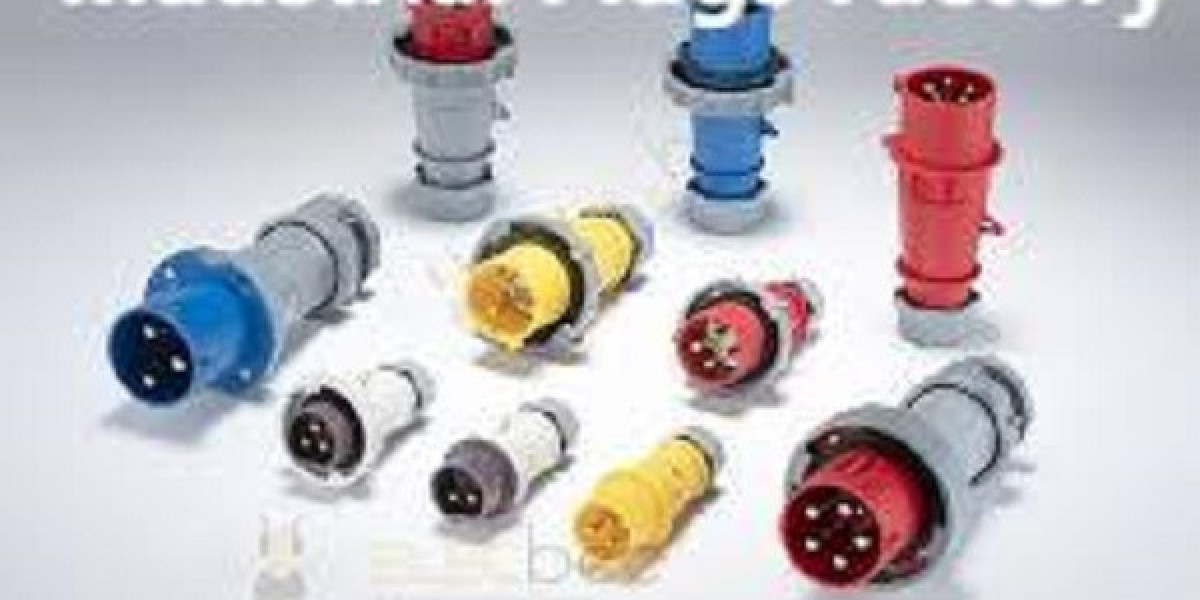

Engineers who finalize system architecture early often specify an Industrial Plug in the middle of design reviews to lock down ratings, mounting, and service access, and specifying an Industrial Plug at this stage reduces retrofit work while improving uptime across installations. A thoughtfully chosen power interface combines low-resistance contacts, reliable mechanical retention, ingress protection, and accessory compatibility to deliver predictable performance in harsh environments.
Defining electrical and mechanical requirements
Successful selection begins by documenting the electrical load profile: continuous current, expected fault currents, and duty cycles. Equally important are mechanical expectations such as mating frequency, exposure to vibration, and shock. Translate these requirements into target specifications for contact metallurgy, contact geometry, and housing robustness so the connector family chosen matches the real-world stresses the system will face. Early alignment between electrical and mechanical teams prevents specification gaps that later cause field failures.
Contact metallurgy, contact geometry, and thermal behavior
Contact material and surface finish determine long-term conductivity and resistance to corrosion. Copper alloys with protective platings maintain low contact resistance; spring-contact geometries preserve pressure as parts wear, limiting the development of hotspots. Designers should consider thermal derating for elevated ambient temperatures and ensure contact cross-sectional area supports expected continuous and peak currents. Properly specified contact systems reduce maintenance intervals and improve safety under sustained loads.
Sealing strategies and mechanical retention systems
Keeping contaminants out is as important as ensuring good electrical contact. Sealing strategies combine precision flanges, continuous gaskets, and gland-side protection to preserve internal dryness. Pressure-equalizing vents help prevent internal condensation without compromising ingress protection. For mechanical retention, choose coupling systems (threaded collars, bayonet latches, or positive locks) that match the installation’s vibration and shock profile. Corrosion-resistant finishes and stainless hardware are essential for coastal or chemical environments.
Nante compatibility, accessories, and spare logistics
A supplier that offers a cohesive accessory ecosystem simplifies field service and spare-part management. Standardized backshells, dust caps, locking collars, and modular inserts reduce the number of unique spares needed at a site. Modular insert designs let technicians swap contact configurations without replacing the entire housing, enabling upgrades and repairs with minimal downtime. When planning procurement, confirm accessory availability and lead times so maintenance teams can respond quickly to incidents.
Installation best practices and commissioning tests
Installation technique materially affects long-term reliability. Use properly sized cable glands for strain relief, maintain minimum bend radii, and torque terminal screws to specified values to ensure consistent contact pressure. Commissioning tests should include insulation-resistance measurements, contact-resistance checks, and thermal imaging under typical load to identify hotspots. Record baseline readings and torque values to support future troubleshooting and condition-based maintenance.
Lifecycle maintenance and predictive practices
Routine inspection extends service life dramatically. Visual checks for seal compression, locking integrity, and contact discoloration should be part of scheduled maintenance rounds. Replace soft consumables—gaskets, gland seals, dust caps—on an interval based on environmental exposure rather than waiting for visible failure. For critical installations, periodic thermal scanning and trend analysis of contact resistance can reveal degradation early, enabling planned repairs before failures occur.
Procurement guidance and total cost considerations
When comparing suppliers, focus on verified test data—mechanical endurance cycles, IP/IK ratings, dielectric testing, and salt-spray reports where applicable—rather than lowest price alone. Require batch traceability and material certificates to reduce counterfeit risk and simplify warranty claims. A connector with a modestly higher upfront cost but proven field durability and accessory support typically yields lower total cost of ownership over its service life.
Selecting the right power interface requires a holistic approach that balances electrical performance, mechanical design, sealing, and supplier support. By prioritizing tested contact systems, robust housings, and a practical spare-part strategy, teams can convert potential weak points into predictable, long-lived interconnects. For technical comparisons, model specifications, and installation guidance, visit https://www.nante.com/news/industry-news/what-is-industrial-plug.html