
In today’s fast-paced digital world, businesses are constantly looking for ways to optimize operations, enhance customer experiences, and leverage data in smarter ways. One technology that’s transforming industries is the IoT SaaS platform. But what exactly does this mean, and how can it help your business thrive? Let’s break it down in simple terms.
Understanding the Basics: IoT and SaaS
Before diving into an IoT SaaS platform, it’s important to understand the two components:
IoT (Internet of Things): This is a network of physical devices—like sensors, smart devices, or appliances—that collect and exchange data over the internet. Think of smart thermostats, connected security cameras, or automated lighting systems in modern buildings.
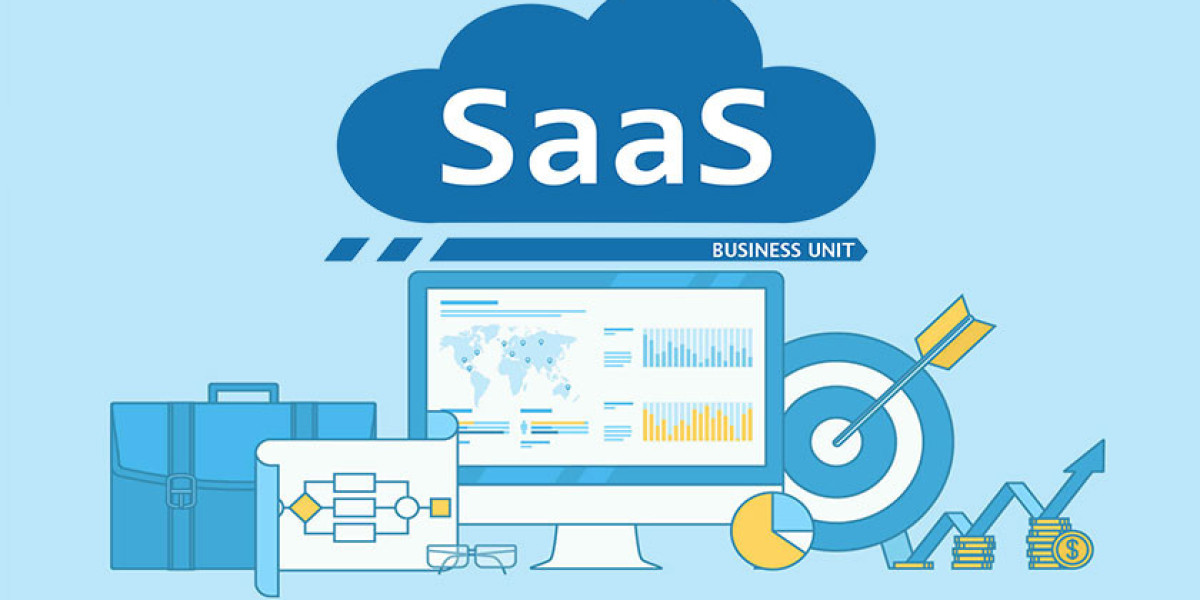
SaaS (Software as a Service): This refers to software that is hosted in the cloud and accessed online, eliminating the need for complex installations or local servers. Popular examples include tools like Google Workspace, Salesforce, or Zoom.
When you combine these two, you get an IoT SaaS platform—a cloud-based service that allows businesses to connect, monitor, and manage IoT devices seamlessly.
Why Businesses Are Turning to IoT SaaS Platforms
Businesses today face a growing demand for efficiency and automation. Whether it’s tracking inventory in real-time, optimizing energy consumption, or ensuring seamless security, the IoT SaaS platform brings everything into one accessible hub. Here’s why more businesses are investing in this technology:
Centralized Management: Instead of juggling multiple apps or systems, you can monitor all IoT devices from a single dashboard.
Scalability: As your business grows, you can add new devices or services without costly infrastructure upgrades.
Real-Time Insights: Access live data from your devices, enabling smarter decisions faster.
Cost-Effective: Cloud-based solutions reduce the need for in-house servers and IT maintenance.
Legresca, a leading innovator in this space, emphasizes that businesses adopting IoT SaaS solutions for real estate US are seeing measurable improvements in building efficiency, tenant satisfaction, and overall operational savings.
How IoT SaaS Platforms Work
At its core, an IoT SaaS platform integrates hardware and software:
Device Connectivity: Sensors, smart devices, or IoT hardware send data to the cloud.
Data Processing: The platform collects and processes this data, often using AI or analytics tools.
Actionable Insights: Businesses access reports, alerts, and dashboards that guide decision-making.
Automation: Some platforms allow automated actions, like adjusting HVAC systems or turning off unused lights.
By connecting devices to the cloud, businesses can not only monitor operations but also predict problems before they happen—preventing downtime and improving efficiency.
IoT SaaS Solutions for Real Estate US
The real estate industry in the US is one sector that’s seeing major benefits from IoT SaaS solutions. From commercial offices to residential buildings, smart technology is reshaping property management. Here’s how:
Energy Management: IoT sensors track electricity, water, and HVAC usage in real-time. Property managers can reduce waste, cut costs, and implement sustainable practices.
Tenant Experience: Smart access systems, app-based control of utilities, and predictive maintenance improve tenant satisfaction.
Security and Safety: Connected cameras, fire alarms, and motion sensors ensure real-time alerts for safety hazards.
Predictive Maintenance: By monitoring equipment like elevators, boilers, or air conditioning units, building managers can schedule maintenance before issues escalate.
Legresca highlights that integrating IoT SaaS solutions in real estate allows businesses to offer smarter, safer, and more cost-efficient properties—a key differentiator in the competitive US market.
Key Features to Look for in an IoT SaaS Platform
Not all platforms are created equal. When evaluating an IoT SaaS platform, consider the following features:
Scalability: Can it grow with your business and handle increasing devices?
User-Friendly Interface: Dashboards should be intuitive and accessible for non-technical users.
Security: Ensure robust encryption, data protection, and compliance with privacy regulations.
Analytics and Reporting: The platform should turn raw data into actionable insights.
Integration Capabilities: It should easily connect with existing systems, apps, or third-party services.
Legresca suggests that businesses should also prioritize platforms offering personalized support and easy onboarding to maximize ROI.
Benefits Across Industries
While real estate is a prime example, IoT SaaS platforms are transforming multiple industries:
Healthcare: Remote patient monitoring, smart devices, and real-time alerts improve patient outcomes.
Manufacturing: Connected machinery and predictive maintenance reduce downtime and improve efficiency.
Retail: IoT-powered inventory tracking, smart shelves, and customer behavior insights enhance operational efficiency.
Transportation: Fleet management and predictive analytics optimize routes and reduce fuel costs.
The versatility of IoT SaaS solutions makes it an essential tool for any business looking to modernize operations and embrace data-driven decision-making.
Overcoming Challenges
Adopting an IoT SaaS platform isn’t without its challenges. Businesses often face:
Integration Issues: Connecting legacy systems with modern IoT devices can be complex.
Data Privacy Concerns: With large amounts of data flowing through the cloud, protecting sensitive information is crucial.
Cost Considerations: While cloud platforms reduce infrastructure costs, subscription fees and device investments must be managed carefully.
Legresca advises businesses to plan strategically, start with pilot projects, and choose platforms that provide robust support and scalability to mitigate these challenges.
How to Get Started
Getting started with an IoT SaaS platform doesn’t have to be intimidating. Here’s a simple approach:
Identify Business Needs: What problems are you trying to solve? Energy savings, security, tenant satisfaction?
Evaluate Platforms: Look for solutions that align with your needs, offer scalability, and integrate easily.
Start Small: Implement a pilot program with a limited number of devices to test effectiveness.
Analyze and Expand: Use insights from the pilot to optimize processes and expand deployment.
Leverage Expert Guidance: Companies like Legresca offer specialized guidance for implementing IoT SaaS solutions for real estate US, helping businesses achieve measurable results quickly.
By taking a step-by-step approach, businesses can adopt IoT SaaS technology smoothly and maximize its benefits.
The Future of IoT SaaS
The potential of IoT SaaS platforms is immense. As AI, machine learning, and edge computing evolve, businesses will gain even deeper insights from IoT data. Predictive analytics will become more accurate, and automation will extend to nearly every operational process.
For real estate in the US, this means smarter buildings, reduced operational costs, and improved tenant satisfaction. Across industries, businesses can expect enhanced efficiency, better decision-making, and a competitive edge in their markets.
Conclusion
An IoT SaaS platform is more than just a tech trend—it’s a strategic tool for modern businesses. By connecting devices, collecting real-time data, and providing actionable insights, it empowers organizations to work smarter, not harder.
For businesses in the US real estate market, IoT SaaS solutions for real estate US are revolutionizing building management, energy efficiency, and tenant experiences. With the guidance of experts like Legresca, companies can implement these solutions effectively and stay ahead in a competitive market.
If your business is ready to embrace the future, now is the time to explore an IoT SaaS platform—simplifying operations, boosting efficiency, and driving success with smart technology.