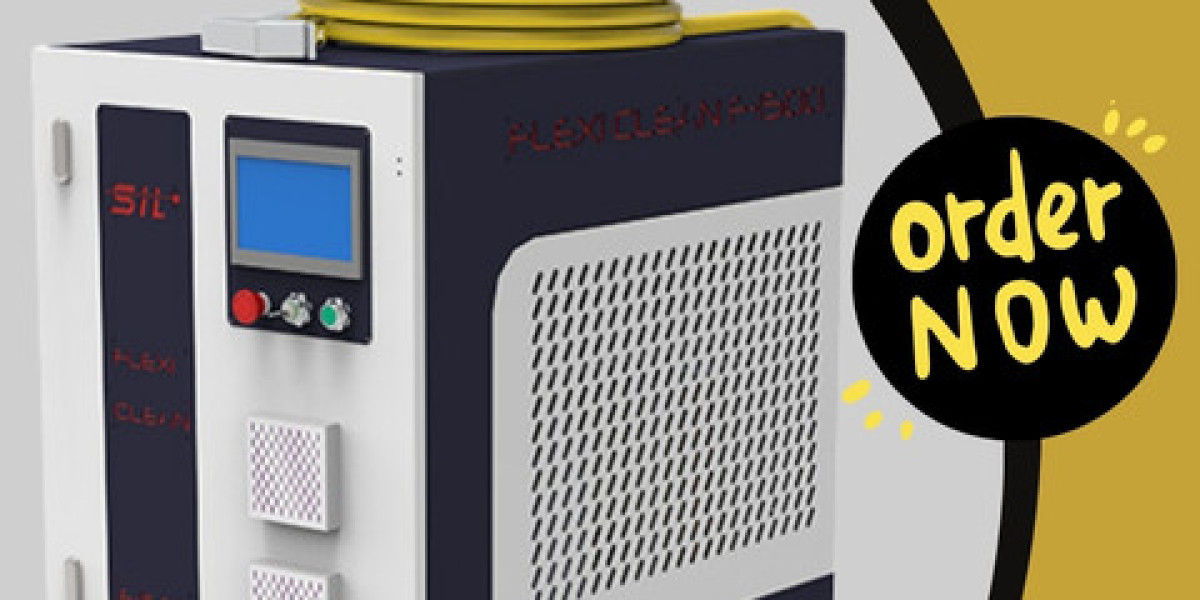

The process harnesses the power of laser technology to remove rust, scale, and oxidation without the need for chemical agents or abrasive materials. This makes it an increasingly popular choice across various industrial sectors.
Using a laser rust cleaner, professionals can target specific areas on metal surfaces, allowing for controlled removal of rust while preserving the underlying material. The precision of laser cleaning ensures that delicate surfaces, complex structures, and hard-to-reach spots can be treated effectively. Unlike traditional rust removal methods that may require sanding, chemical treatments, or mechanical abrasion, the laser rust cleaner streamlines the process, reducing the time and effort needed for maintenance and preparation.
The applications of a laser rust cleaner are extensive. In the automotive industry, for example, it is used to restore car parts affected by oxidation or to prepare surfaces for painting and coating. In shipbuilding and marine maintenance, where metal structures are constantly exposed to saltwater and harsh conditions, a laser rust cleaner is a reliable tool for maintaining structural integrity and extending the lifespan of equipment. Similarly, in the aerospace sector, where precision and safety are paramount, the laser rust cleaner allows technicians to maintain aircraft components with unmatched accuracy.
One of the remarkable aspects of the laser rust cleaner is its adaptability across different types of metals. Whether it is steel, iron, aluminum, or alloys, the laser rust cleaner can adjust its intensity and frequency to ensure optimal results for each surface type. Operators can control the power settings to manage the speed and depth of cleaning, making it a versatile solution for small-scale workshops as well as large industrial operations.
Beyond industrial use, the laser rust cleaner has found its way into heritage and restoration projects. Museums, historical preservation groups, and restoration specialists are increasingly utilizing this technology to clean antique metal artifacts without causing damage. The controlled, non-contact nature of the laser allows for careful removal of corrosion from delicate items, preserving their value and authenticity.
Maintenance with a laser rust cleaner is straightforward and efficient. It reduces the need for labor-intensive manual processes, eliminates the hazards associated with chemical treatments, and minimizes waste generated during rust removal. As industries continue to focus on sustainability and safety, the laser rust cleaner aligns well with modern operational goals, providing a solution that is both environmentally considerate and highly effective.
Another notable factor in the popularity of the laser rust cleaner is its compatibility with automation. Many manufacturing facilities are integrating laser rust cleaning systems into robotic arms or automated production lines. This integration enhances productivity, ensures consistent quality, and allows for continuous operation in environments where traditional cleaning methods would slow down production.
Training and operation of a laser rust cleaner are user-friendly, with modern devices offering intuitive interfaces, adjustable parameters, and safety mechanisms. This ensures that operators can achieve the desired results without extensive technical expertise, while maintaining high safety standards during operation. Protective measures such as shielding and controlled laser exposure make the process safe for industrial personnel.
In addition to cleaning rust, a laser rust cleaner can also prepare surfaces for additional treatments. Metal surfaces cleaned with a laser often exhibit improved adhesion properties for paint, coatings, or other surface applications. This makes the technology an integral part of production workflows that require high-quality finishes and long-lasting results.
Industries that depend on metal infrastructure, such as construction, energy, and transportation, benefit greatly from the laser rust cleaner. Bridges, pipelines, machinery, and vehicles can be maintained efficiently, reducing downtime and extending service life. By targeting only the corroded areas and avoiding unnecessary abrasion, the laser rust cleaner contributes to cost-effective maintenance strategies.
The technological advancements in laser systems continue to expand the capabilities of the laser rust cleaner. Enhanced laser sources, improved cooling systems, and more precise control units allow for faster cleaning rates and greater surface coverage. This means that larger structures and more demanding industrial tasks can be handled with efficiency, making the laser rust cleaner a reliable and scalable solution for modern metal treatment.
Final Thoughts:
The adoption of laser rust cleaning technology continues to grow as industries recognize its efficiency, safety, and versatility. From industrial machinery to historical artifact restoration, the laser rust cleaner provides a modern approach to maintaining metal surfaces. Its precise operation, combined with adaptability for different metals and applications, positions it as a transformative tool in the field of metal maintenance and surface treatment.