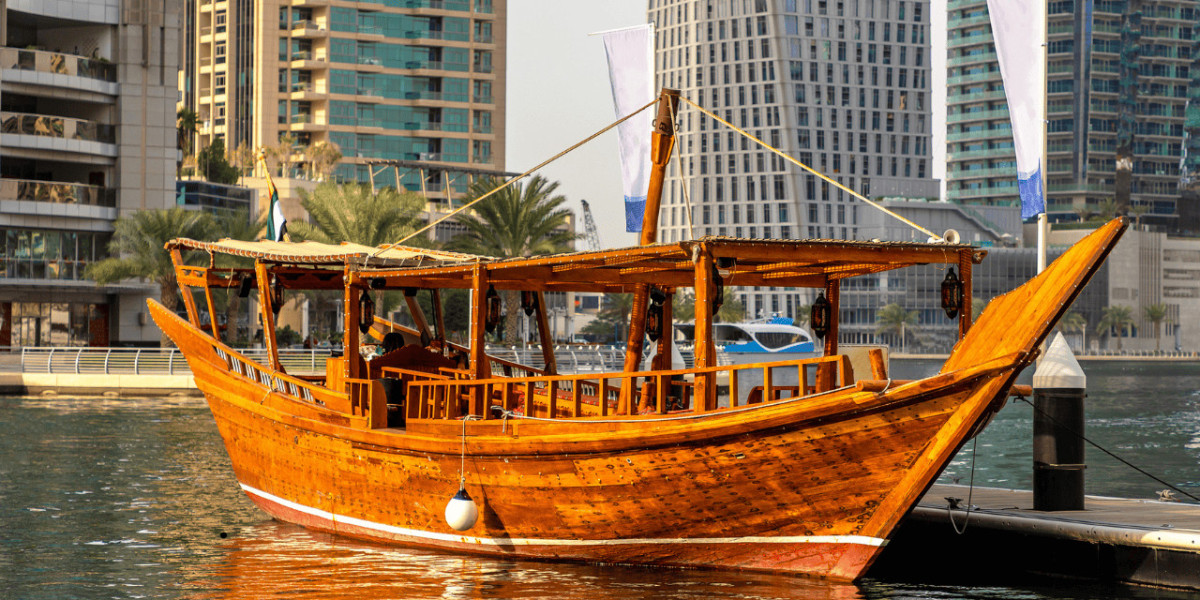

The traditional dhow carries deep cultural, historical, and engineering value across the Gulf region. Many dhows require ongoing restoration, precision replacements, or detailed replicas for museums and marine heritage centers. This is where modern fabrication methods in Dubai bring a new dimension to preservation.
The move toward advanced design workflows, high-resolution scanning, and controlled manufacturing enables craftsmen and engineers to reproduce parts with remarkable consistency. At the center of this shift is the growing reliance on 3d printing Dubai to strengthen the restoration and replication process. The following explanation explores how accuracy is refined through the integration of digital capture, measured modeling, and controlled production steps that allow artisans to recreate even the most complex traditional elements.
High-Resolution Digital Capture
Accuracy begins with how well the original component is captured. Modern restoration teams in Dubai rely on structured-light scanning, laser-based mapping, and photogrammetry to collect thousands of data points from every surface of a dhow part. These methods allow the digital model to preserve curves, grooves, joints, and contour lines that define the identity of a traditional vessel.
Since dhow components are hand-carved and rarely uniform, the precision of the scan becomes critical. The collected data forms a complete three-dimensional reference model. It eliminates guesswork and ensures that craftspeople do not rely on approximate measurements or incomplete photographs. When this detailed scan is aligned with modern design tools, the result is a faithful digital representation ready for computational refinement.
Model Optimization for Accurate Replication
Once the scanned model is ready, engineers adjust and refine it inside specialized software. They may correct warping caused by age, restore chipped edges, or repair missing sections through digital reconstruction. This virtual process ensures that the final replica matches the intended original shape rather than the damaged state of the part.
Dubai design teams often overlay historical drawings or museum references to ensure all traditional proportions remain untouched. At this stage, experts also analyze thickness, curvature, and stress points to ensure that the recreated part will handle the structural demands of marine conditions. By optimizing this digital version, craftsmen gain a standard model that can be reused for future restorations, providing long-term consistency that manual crafting alone cannot guarantee.
Material Selection and Dimensional Stability
Accuracy in dhow replicas depends heavily on how well the chosen material maintains shape once produced. Modern fabrication labs in Dubai have access to advanced polymers, engineered resins, and composite blends that simulate the density and feel of traditional materials while resisting deformation.
These materials are tested to ensure dimensional stability under heat, humidity, and salinity, which are constant challenges in marine settings. Proper material alignment also reduces shrinkage or expansion after production. This careful selection ensures that each printed component fits precisely into its designated position on the vessel. The controlled properties of these materials support long-term preservation and reduce the risk of misalignment during installation.
Precision Manufacturing and Controlled Layering
The accuracy gains become fully visible during the production stage. High-resolution machines apply thin layers with measured consistency, ensuring that even small ornamental details appear nearly identical to the scanned original. This process benefits heritage projects because dhow components often contain curves that shift gradually across the surface.
By using 3d printing in a controlled environment, engineers eliminate the inconsistencies that can occur with manual carving or mass-produced machinery. Temperature, print speed, nozzle alignment, and layer thickness are monitored to maintain uniformity from start to finish. This controlled layering ensures that every edge, angle, and contour emerges as intended without deviation.
Fit Testing and Adjustments
Even with excellent digital modeling and controlled manufacturing, accuracy improves further when the replica undergoes post-production testing. Engineers often perform trial assembly with surrounding components of the dhow, checking alignment, joint connection, and overall balance. This ensures the new part integrates seamlessly with both historic and newly restored sections.
Dubai marine specialists also use digital comparison tools to match the printed part against the original scan. If slight deviations appear, minor refinements are performed before final finishing. This testing step ensures the highest level of reliability, especially for components that contribute to structural stability or hydrodynamic performance.
Preservation of Traditional Details
Dhow construction has many subtle details, from handcrafted notches to carved accents on beams, railings, and hull sections. These features represent cultural identity and must be replicated with care. Advanced production methods allow artisans to recreate these details at a level of accuracy that manual carving cannot consistently achieve.
The ability to replicate such intricacy helps museums and cultural institutions preserve the authenticity of dhow heritage within modern displays. Through digital tools and 3d printing, traditional craftsmanship is honored rather than replaced, because the technology allows the exact features of the original artisans to be carried forward.
Conclusion
The improvement of accuracy in dhow component replicas comes from a complete workflow that begins with precise digital capture and continues through careful modeling, material alignment, controlled production, and thorough testing. This process combines traditional marine heritage with modern engineering principles.
The integration of 3d printing provides consistent results, supports cultural preservation, and delivers components that match historical standards while meeting modern durability requirements. As digital fabrication continues to grow across the region, dhow restoration in Dubai benefits from a new level of precision that ensures long-term protection of maritime craftsmanship and identity.