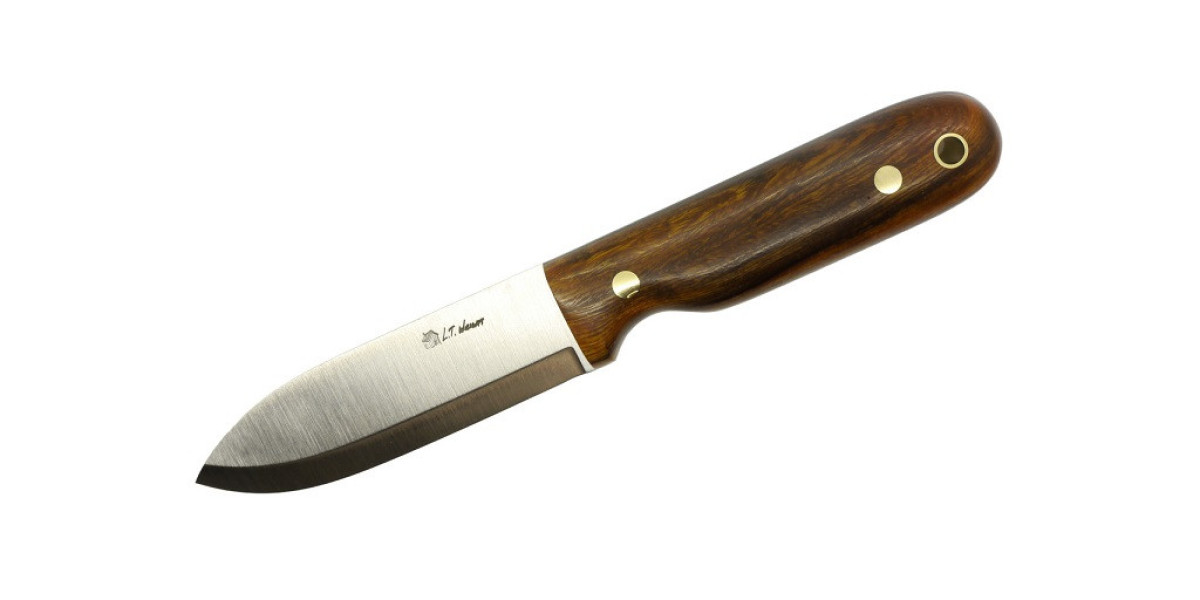

Your camp knife will be your constant companion when you’re in the field, especially if you are into bushcraft and build a lot of stuff while you’re out there, rather than bringing it with you.
A good camp knife can excavate foundations for poles, carve the poles themselves, strip bark for winding cordage, strike a fire, prepare fuel for the fire, clean harvests, prep food, and much more.
But it is also the case that many camp knives are big bruisers made with tough, but relatively rust-prone, alloys like 1075, 1095, and D2. Many are also made with wood scales that will rot if not properly cared for.
That being the case, you should know how to care for a camp knife, since your camp knife cares for you. This short post will help with that.
For the Blade
If your camp knife is made with a steel alloy that is not corrosion-resistant, like 1095 or 1075, you need to be very intentional about what you use it for and how you care for it.
There are going to be times when your knife gets wet. With a camp knife there’s really not much you can do about that. What you can do is be smart about how you care for it after.
Leaving a camp knife with a wet blade exposed is bad enough, covering it is worse. After use, if the blade is wet, or there is residue on it, like vegetative residue, wipe it clean and dry it thoroughly.
If you are in the field for a prolonged period of time, it is a good idea not just to dry the blade off, but to oil it nightly. Yes, this is extra work, but your knife will thank you for it and it will last longer as well.
One more note: don’t store your camp knife in a leather sheath for more than a day or two at a time. You need to let it breathe or the blade will rust.
For the Knife Handle Scales
If your camp knife has synthetic handle scales like Micarta or G10, congratulations, you don’t need to do anything to care for them.
If it has natural scales like wood, horn, bone, or antler, that’s a different story. These materials can crack, split or warp if they are not properly cared for.
The easiest preventative maintenance is just to wipe them off when they get wet, same as the blade. You can also treat them with beeswax or some other commercial treatment that will not only seal them off to moisture absorption, but which will help slow the release of the natural moisture and oils they contain.
From time to time, treating wooden or even bone knife handle scales will help prevent them from cracking. Although, for most routine maintenance, all you really need to do is make sure they’re clean.
For the Sheath
Just like with synthetic scales, if you have a Kydex or a nylon camp knife sheath, you’re good to go. No maintenance is needed.
However, if you have a leather sheath, you will need to make sure you periodically condition it with some leather conditioner, otherwise the sheath will eventually warp, delaminate, or crack.
If you can avoid it (though it might not always be possible) don’t let your leather knife sheath get wet. Moisture and leather don’t mix.
Either way, keeping a leather knife sheath clean will be most of the work, along with periodically conditioning it.
Time for a New Camp Knife?
Don’t have a camp knife yet? Get what you need online at The Knife Connection. They carry camp knives along with bushcraft and survival knives from the top brands. Check out their catalog for some inspiration and get in touch with them if you have any questions.
For more information about Bark River Knives and Lionsteel Please visit: The Knife Connection.