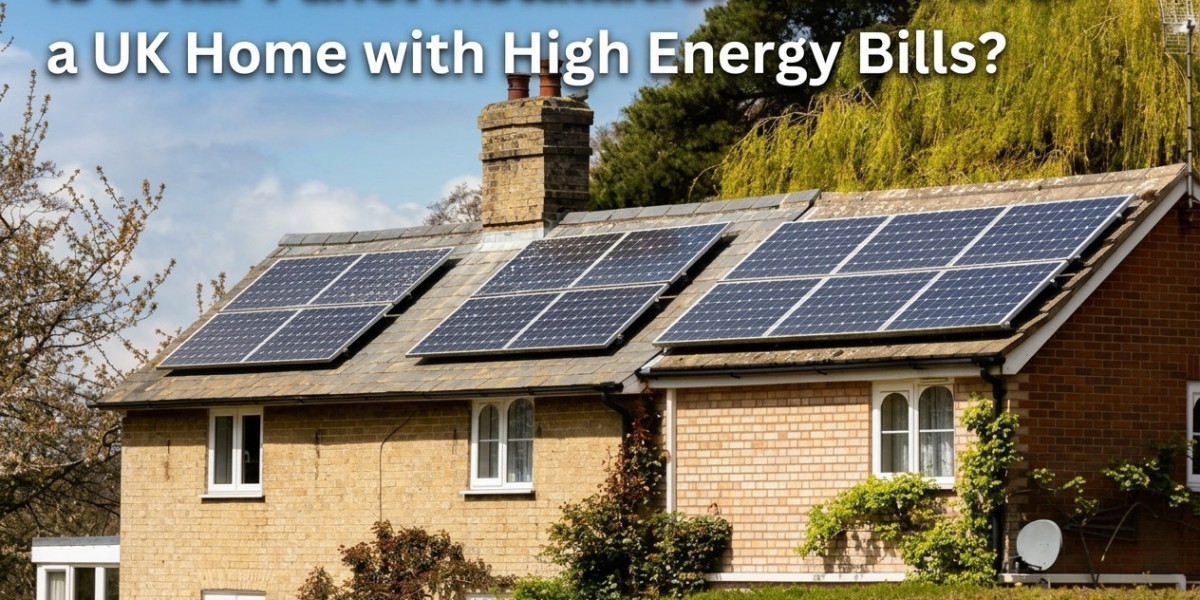

Opening your electricity bill can be a bit of a shock these days. You might have already changed energy suppliers, turned off unused appliances and become more careful about heating your home. Yet the monthly cost still feels higher than it should.
If this sounds familiar, you may have started looking at solar panels.
For UK homeowners with high electricity bills, solar power can be a sensible way to cut down on the amount of energy bought from the grid. But there is one thing worth thinking about before spending several thousand pounds: will the savings actually make the cost worthwhile?
The honest answer is that it depends on your home, your energy habits and the price of the system. A house with someone at home during the day may get more value from solar than one where everyone leaves early and returns in the evening.
Let's look at what really matters before you book an installation.
Why Are More UK Homeowners Considering Solar Panels?
For many households, electricity is no longer a small monthly expense. Running washing machines, dishwashers, televisions and other everyday appliances can add up quickly.
Solar panels offer another way to meet some of that demand. Rather than buying every unit of electricity from your supplier, you generate part of it on your own roof.
This can make a difference in several ways:
Lower electricity costs: You use your own generated electricity instead of paying your supplier for as much power.
Less reliance on the grid: Your home can produce some of the electricity it needs.
Better control over energy use: You can plan certain household tasks around daylight hours.
Extra value from unused electricity: Surplus electricity may earn payments through an eligible export tariff.
Long-term benefits: A properly installed system can produce electricity for many years.
There is a catch, though. Solar panels do not produce the same amount of electricity every day. Winter days are shorter, and heavy cloud can reduce generation. It is important to have realistic expectations.
How Much Could You Save on Your Electricity Bills?
Your savings depend on how much solar electricity your household can use.
Imagine you have a south-facing roof and your panels generate plenty of electricity around lunchtime. If someone is at home cooking, working or doing the washing, you can use more of that power straight away.
Now consider a household where everyone leaves at 8 am and returns at 6 pm. The panels may generate electricity while nobody is home. Without a battery, much of the unused power could be exported to the grid.
You may still receive an export payment, but using your own electricity can often save more than selling it.
Your potential savings depend on:
How much electricity your home uses each year.
The number of panels installed.
Your roof direction and angle.
Shade from trees or nearby buildings.
The electricity tariff you pay.
Whether you have a solar battery.
How much electricity you use during daylight hours.
Before choosing a system, check your electricity bills from the past 12 months. This gives an installer a much clearer picture of your needs than a quick look at your roof.
What Does Solar Panel Installation Cost in the UK?
The upfront cost is often the biggest reason homeowners hesitate.
A domestic solar installation can cost several thousand pounds. The final price depends on the size of the system, the equipment used and the work needed to fit it.
For example, a straightforward installation on an accessible roof may cost less than one that needs extra scaffolding or electrical work.
Your quote should clearly explain:
The number and type of solar panels.
The inverter model and warranty.
Installation and labour charges.
Scaffolding costs, if required.
Battery storage costs, if included.
Electrical work and any additional materials.
Aftercare and workmanship guarantees.
Do not feel pressured to accept the first quote you receive. Get at least three written estimates and compare what each installer is offering.
A cheaper quote is not always a better deal. If one company offers better equipment, a stronger warranty and clear aftercare, paying a little more may be worthwhile.
Which Solar Panel System Is Right for Your Home?
Not every home needs the same setup. A couple living in a small house will have different electricity needs from a family with several appliances and an electric vehicle.
When comparing solar PV systems for UK homes, ask the installer to explain how much electricity each option could generate over a year.
Do not focus only on the number of panels. Look at the estimated output in kilowatt-hours (kWh) and how much of that electricity your household is likely to use.
For example:
A household with low electricity use may need a smaller system.
A family that works from home may benefit from generating more daytime electricity.
A property with an electric vehicle may need a system designed around vehicle charging.
A home with high evening use may benefit from battery storage.
The aim is to choose a system that suits your actual electricity use, not one that simply fills every available space on the roof.
Is a Solar Battery Worth the Extra Cost?
One common problem with solar panels is timing.
They produce electricity during the day, but many households use most of their power in the evening. This means you may export electricity at lunchtime and buy it back from the grid later.
A solar battery can help avoid some of that waste.
It stores spare electricity when your panels are generating more than your home needs. You can then use the stored power after sunset or when generation drops.
A battery may be useful if:
You are usually out during the day.
Your household uses a lot of electricity after 5 pm.
You want to make better use of your solar generation.
You have an electric vehicle or other high-energy appliances.
However, batteries are not cheap. Adding one increases the installation price, so it is worth checking whether the extra savings justify the cost.
Ask your installer for two separate estimates: one with a battery and one without. This makes it easier to see whether the extra expense makes sense.
What Can Affect Solar Panel Performance in the UK?
The weather gets plenty of attention, but sunshine is not the only thing that matters. Your roof and its surroundings also play an important part.
Roof Direction
South-facing roofs usually receive good sunlight across the day. East-facing and west-facing roofs can also work well, although their generation patterns are different.
An east-facing system tends to produce more power in the morning, while a west-facing system produces more later in the day.
Trees and Nearby Buildings
A large tree or neighbouring building can cast shadows over your panels. This may reduce the amount of electricity your system generates.
Ask for a proper shading assessment before agreeing to an installation.
Roof Condition
Solar panels are expected to stay in place for many years. If your roof needs repairs, it is better to sort those out before installation.
Removing panels later to repair the roof can add unnecessary expense.
Equipment Quality
Panels, inverters and batteries all have different specifications and warranties. Ask about expected performance, product support and replacement arrangements before making your choice.
Can You Earn Money from Extra Solar Electricity?
Yes. UK homeowners with eligible installations can receive payments for surplus electricity through the Smart Export Guarantee (SEG).
In simple terms, if your panels produce more electricity than your home needs, you can send the extra power to the grid. A participating electricity supplier may then pay you for each exported unit.
However, export rates differ between suppliers. Some tariffs offer better rates than others, so compare the available deals before signing up.
Remember that export payments are only one part of the financial picture. The biggest benefit for many households comes from using their own solar electricity and avoiding the cost of buying it from their supplier.
How Long Will It Take to Recover Your Installation Cost?
This is probably the question most homeowners want answered before spending their money.
The payback period is the time it takes for your savings and export payments to cover the original installation cost.
There is no fixed answer because every property is different.
A household that uses plenty of electricity during the day may recover its investment sooner than one that exports most of its solar generation.
When working out your likely payback period, consider:
The full installation price.
Your estimated yearly electricity savings.
Payments for exported electricity.
Battery costs, if applicable.
Any future maintenance or replacement costs.
Be careful with salespeople who promise that your system will pay for itself within a very short time. Ask for the figures in writing and make sure they are based on your household's actual electricity use.
What Should You Check Before Hiring a Solar Installer?
A good installation starts with a proper assessment, not a rushed sales call.
Before signing anything, check that the installer is MCS-certified if you want access to the usual SEG arrangements. Also ask about relevant electrical certification and whether the company has suitable insurance.
It is worth checking these points:
Read customer reviews from previous installations.
Ask for a written breakdown of all costs.
Check panel, inverter and battery warranties.
Confirm who handles maintenance and aftercare.
Ask how much electricity the system is expected to generate.
Make sure the installer has assessed your roof and shading.
Take your time. A reliable company should be happy to answer your questions without making you feel that you must sign up there and then.
Conclusion: Is Solar Panel Installation Worth It for Your Home?
If your electricity bills are consistently high, solar panels are certainly worth considering. They can reduce the amount of electricity you buy from the grid and give you more control over your household energy costs.
But the best results come from choosing the right system. Your roof, daily routine, electricity use and installation budget all affect how much value you get.
Before making a decision, compare a few installers, check your annual electricity consumption and ask for a realistic savings estimate.
So, do solar panels save money? They can, particularly when your home uses a good share of the electricity generated during the day. The key is to look beyond the sales pitch and work out whether the numbers make sense for your property.
If the figures add up, solar panels could be a worthwhile investment that helps take some pressure off your monthly electricity bills.
Frequently Asked Questions
1. Are solar panels worth it for a home with high electricity bills?
They can be, especially if your household uses a lot of electricity. Generating your own power can reduce the amount you need to buy from your supplier. Your savings will depend on system size, roof conditions and electricity habits.
2. Do solar panels work during winter in the UK?
Yes. Solar panels still generate electricity during winter, but shorter days and weaker sunlight mean their output is usually lower than in summer.
3. How many solar panels does a typical UK home need?
It depends on the home's electricity use and available roof space. A system with around 8–12 panels may suit some properties, but an installer should calculate the right size for your home.
4. Is it better to install solar panels with a battery?
A battery can help if you use most of your electricity in the evening. It stores spare daytime generation for later. However, the extra cost should be compared with the savings it could provide.
5. Can I sell unused electricity back to the National Grid?
You can receive payments for eligible exported electricity through the Smart Export Guarantee. You need to sign up with a participating supplier and meet the relevant requirements.