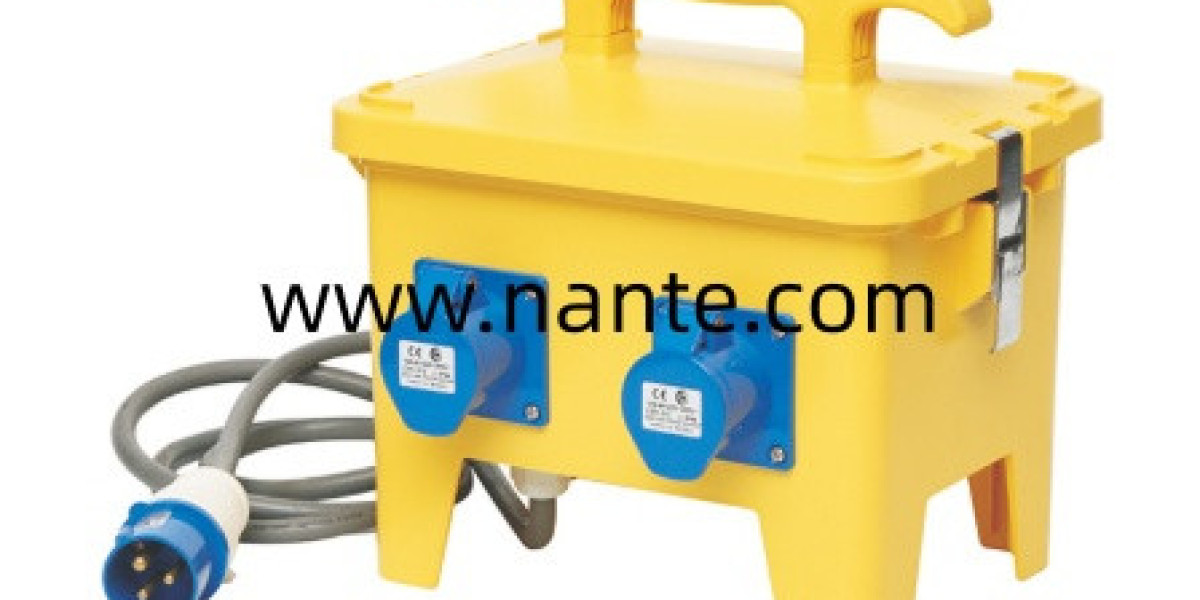

Industrial facilities often operate with a combination of fixed machinery, portable tools, inspection equipment, and temporary workstations. Each activity requires convenient access to electrical power, but scattered connection points can create unnecessary cable runs and complicate daily operations. A Distribution Socket Box from Nante provides a centralized arrangement for multiple electrical outlets, helping businesses organize power access and coordinate connections across different working areas. Its value lies not only in housing socket outlets but also in supporting a planned approach to electrical distribution.
The first consideration is how power needs are spread throughout the facility. A production line may require connections near individual machines, while a maintenance area may need outlets that can serve different tools as tasks change. Workshops, warehouses, and construction environments also have their own patterns of equipment use. Mapping these requirements before installation helps determine where distribution points should be placed and which outlet configurations are appropriate.
Outlet selection should reflect the equipment that will actually be connected. Different machines and tools may use different plug formats, current requirements, and connection arrangements. Buyers should check compatibility with the electrical system and avoid choosing an outlet configuration based only on appearance. A suitable arrangement can reduce reliance on additional adapters and make it easier for workers to identify the correct connection point for each task.
The enclosure itself plays an important role in keeping the installation organized. It should provide sufficient internal space for the required electrical accessories while allowing connections to be arranged without excessive crowding. A clear internal layout can make wiring easier to trace and help technicians identify individual components during inspection. The housing material should also be selected according to the working environment, taking account of possible impacts, moisture, dust, and exposure to industrial substances.
Cable routing deserves attention from the beginning of the project. Incoming power cables and outgoing connections should follow practical paths that avoid interference with walkways, moving equipment, and work surfaces. Proper cable entry accessories can help maintain the enclosure's intended protective characteristics. Where several cables are present, consistent identification and orderly routing can make troubleshooting more straightforward and reduce confusion during maintenance.
Installation position affects how effectively the equipment serves its users. A unit placed too far from the work area may encourage the use of long extension cables, while a poorly positioned enclosure may obstruct movement or become difficult to access. Project planners should consider the reach of connected equipment, the direction of cable movement, and the space required for plugging and unplugging devices. Mounting arrangements must also provide stable support appropriate to the installation surface.
Operational flexibility is another reason to plan connection infrastructure carefully. Industrial workspaces can change as machinery is replaced, production processes are adjusted, or maintenance activities evolve. A well-considered distribution layout can make it easier to accommodate these changes without creating a confusing network of independent power connections. Any modification, however, should be reviewed for electrical compatibility and completed by qualified personnel.
Safety should remain central to every installation decision. Circuit protection, grounding, insulation, enclosure protection, and socket compatibility all need to be considered as part of the complete electrical system. The selected product should meet the requirements of its intended application, and installation should follow relevant regulations and manufacturer guidance. Workers should also receive clear instructions on appropriate connection practices and the use of electrical equipment.
Regular inspection helps maintain the condition of the installation. Technicians should check socket outlets, covers, cable entries, mounting points, and visible wiring for signs of damage or deterioration. Loose connections, worn components, or compromised enclosure seals should be addressed through appropriate maintenance procedures. Accessible positioning and clear component identification can make these checks easier to carry out.
A well-organized power system is built around the real movement of people, tools, and machinery. Instead of allowing connection needs to dictate an improvised layout, make power access part of your facility planning. Visit https://www.nante.com/product/ to view industrial electrical connection solutions, compare available configurations, and find ideas for bringing greater order to your next installation. The right connection strategy could be closer than you think.








