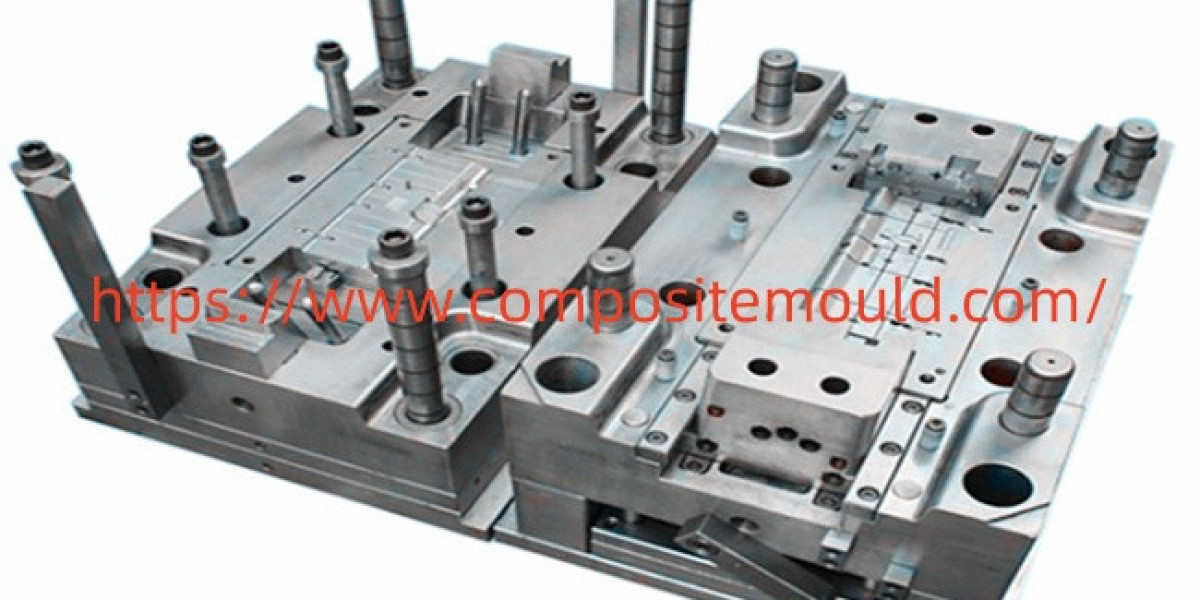

SMC Mould selection requires buyers to consider more than the initial quotation. Product dimensions, structural features, material characteristics, production volume, and equipment conditions all influence the tooling solution. For overseas importers, industrial manufacturers, and engineering teams, checking these details before ordering can help reduce misunderstandings during development. A clear evaluation also gives the manufacturer a practical basis for preparing drawings, discussing technical requirements, and planning the production process.
Start with Complete Product Drawings
Product drawings provide the foundation for tooling development. Buyers should prepare updated 2D drawings and 3D models whenever possible. These files help engineers examine the overall shape, wall thickness, rib locations, mounting points, openings, and connection areas.
Dimensional tolerances also need careful attention. Not every area of a molded component requires the same level of precision. Buyers should identify critical dimensions, assembly interfaces, and visible surfaces so that the engineering team can allocate machining and inspection requirements appropriately.
If a design is still under development, it is useful to identify uncertain dimensions before manufacturing begins. Early communication gives both parties an opportunity to discuss possible adjustments without interrupting later production stages.
Consider the Intended Material and Application
Material characteristics influence how a mold should be designed and manufactured. Buyers should provide the material grade, supplier information, relevant technical data, and expected operating conditions.
Different formulations may have different flow characteristics, curing behavior, shrinkage, and processing requirements. These factors can affect cavity dimensions, charge placement, heating arrangements, and the final part condition.
The intended application also deserves attention. An automotive cover, electrical enclosure, and industrial panel may have different requirements for strength, dimensional stability, surface appearance, and environmental resistance. Sharing the application details helps engineers assess the project in a more practical way.
Evaluate the Mold Structure and Cavity Design
A suitable structure should reflect the geometry of the finished component and the planned production process. Buyers can ask how the manufacturer intends to arrange the cavity, core, parting line, guide components, and demolding mechanism.
Complex ribs, deep sections, narrow channels, and integrated mounting features may require additional design consideration. If the material cannot fill certain regions consistently, the finished part may show incomplete areas or internal defects.
The parting line should also be reviewed in relation to product appearance and flash control. For components with large visible surfaces, the position of the parting line can influence finishing work and inspection requirements.
Check Heating, Venting, and Temperature Control
Heating performance is an important consideration in compression tooling. Uneven temperature distribution may affect curing behavior, dimensional consistency, and surface appearance. Buyers should therefore ask about the proposed heating arrangement and how operating temperatures will be monitored.
Venting deserves similar attention. Air and gases need suitable escape paths during molding. Deep cavities, rib intersections, and enclosed features may create areas where air can become trapped.
A useful technical discussion should cover vent locations, cleaning access, overflow arrangements, and the relationship between material flow and cavity geometry. These details help the manufacturer prepare a design that reflects actual production conditions rather than relying on a general tooling layout.
Review Manufacturing Materials and Machining Plans
The mold base and cavity materials should be selected according to production volume, operating conditions, maintenance expectations, and project budget. Buyers can ask the manufacturer to explain the proposed material grade and its suitability for the intended application.
Machining capability is another consideration. CNC milling, precision grinding, drilling, and fitting may all be involved in producing the required structure. The manufacturing plan should explain how important dimensions and mating surfaces will be controlled.
It is also useful to discuss surface treatment and polishing requirements. Visible product areas may need different finishing standards from hidden or non-functional sections. Clear specifications help avoid disagreements during sample approval.
Establish Inspection and Trial Requirements
Before production starts, buyers and manufacturers should agree on how the finished tooling will be evaluated. A clear inspection plan can include cavity dimensions, parting-line contact, guide alignment, heating performance, vent condition, and moving-component operation.
Trial molding is also an important development stage. It allows the team to evaluate material filling, surface appearance, flash, dimensional results, and demolding performance under representative conditions.
Buyers should define sample quantities, inspection methods, acceptable tolerances, and the documents required for approval. If changes are needed after the trial, both parties should record the adjustments and confirm the updated requirements.
Compare Manufacturers Through Technical Communication
A quotation alone does not explain how a supplier will manage a complete tooling project. Buyers should also consider drawing review procedures, engineering communication, machining arrangements, inspection equipment, trial support, and maintenance guidance.
Ask how design changes are handled and whether progress updates can be provided at important manufacturing stages. Clear communication is particularly useful for overseas projects, where distance and time differences can make technical coordination more difficult.
A manufacturer that understands the intended application can discuss practical details before production begins. This helps buyers evaluate whether the proposed solution matches their drawings, equipment, schedule, and production objectives.When preparing a new project, buyers can share product drawings, material information, expected output, and technical specifications with compositemould for an initial discussion. The engineering team can then review the requirements and communicate relevant manufacturing considerations before tooling production moves forward. To view available product information and related manufacturing details, visit https://www.compositemould.com/product/ and contact compositemould about your project requirements.