
Introduction
Every October, Loudoun County yards turn into a patchwork of gold and brown, and what looks charming from the window can quietly smother the lawn beneath it. Homeowners who look into leaf removal services in Ashburn are usually trying to protect turf, planting beds, and drainage before winter arrives. Landscape companies such as Rivera’s Landscaping LLC see the same pattern each year: leaves are only part of the picture, since branches, pruning scraps, and storm debris pile up alongside them. This guide covers how leaves affect a property, how timing works, and how the cleared material is handled.
How Fallen Leaves Affect Lawns, Beds, and Drainage Across Loudoun County
Leaves seem harmless because they are natural, yet a thick layer blocks sunlight and traps moisture against the grass. Leaf removal services in Ashburn tend to be scheduled around that risk, since cool-season turf grows actively in fall and needs light and airflow to build strength for winter. Understanding what happens beneath the leaf cover explains why a quick rake in December often comes too late to prevent thin or patchy grass in spring.
Turf Suffocation, Mold, and Pest Shelter Beneath Wet Leaf Mats
Wet leaves bond into a dense blanket that holds water against the soil. Grass underneath loses light, stops photosynthesizing, and can develop snow mold or other fungal problems once cold weather settles in. The same layer gives voles, slugs, and other pests a sheltered place to feed through winter. Oak leaves are especially stubborn because they break down slowly and mat together. Lawns that stay covered for several weeks often show yellow or bare patches when growth resumes in spring.
Clogged Storm Drains and Swales Along Neighborhood Streets
Leaves do not stay on lawns for long. Wind and rain carry them into curbs, swales, and storm inlets, where they collect into plugs that cause street flooding after heavy rain. Many Northern Virginia neighborhoods rely on shallow drainage channels that clog easily. Clearing leaves before a forecast storm keeps water moving and prevents runoff from washing mulch, soil, and seed off the property. Owners with sloped yards benefit most, since blocked flow tends to redirect water toward foundations or driveways.
Timing, Frequency, and Methods Used for Leaf Removal in Ashburn
Good timing separates a tidy yard from a constant chore. Routine leaf removal in Ashburn usually follows the rhythm of local trees, which drop leaves in waves from early October through early December. Oaks hold their foliage the longest, while maples and tulip poplars shed earlier. Matching visits to those waves avoids both the stress of a single massive cleanup and the damage caused by leaving leaves in place too long.
Multiple Passes Versus One Final Cleanup at the End of Fall
A single cleanup after the last leaf drops sounds efficient, but heavy canopy can bury the lawn for weeks first. Two or three lighter passes, spaced through the season, keep grass exposed and reduce the weight of each load. Yards under mature oaks or poplars gain the most from this approach. A final pass in early December picks up late-falling foliage, and a short spring check handles whatever winter wind scattered across beds and corners.
Blowing, Mulch-Mowing, and Vacuum Collection Compared
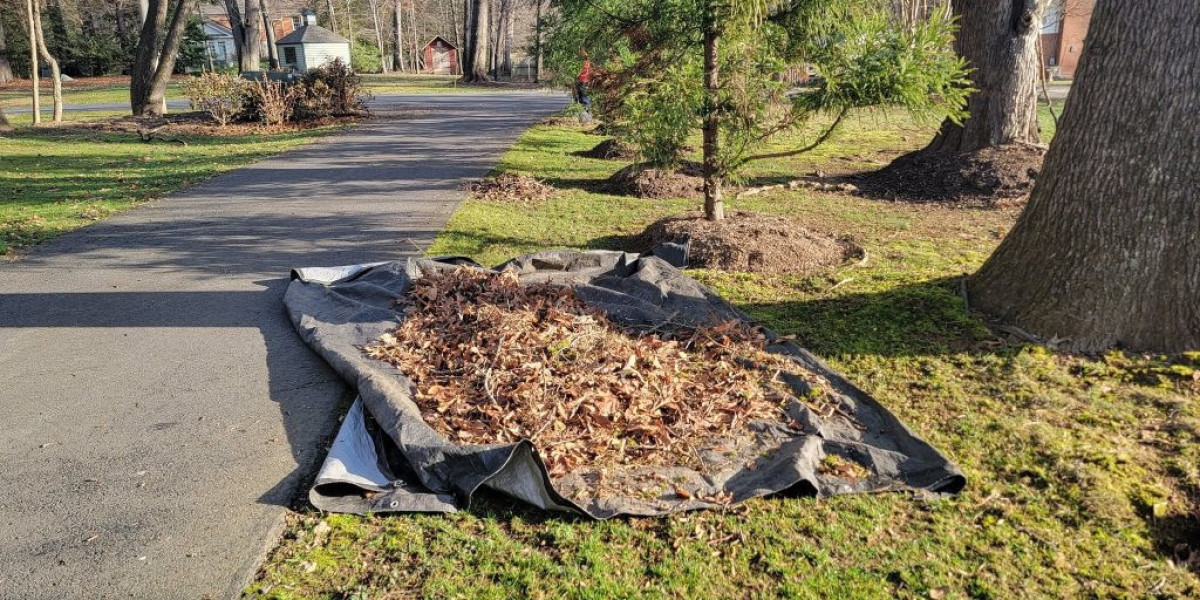
Each method suits a different situation. Blowing moves leaves quickly into piles or onto tarps, which works well in beds and around shrubs. Mulch-mowing shreds light leaf cover into fine pieces that feed the soil, though thick layers overwhelm the mower. Vacuum collection removes large volumes cleanly and is useful on bigger lots or along fence lines. Many properties combine two methods, using mulch-mowing for light areas and collection where leaves are deep.
Handling Cleared Material and Yard Waste Removal in Ashburn
Raking is only half the job, because the leaves still need somewhere to go. For many owners, yard waste removal in Ashburn becomes the harder question, since a lawn can produce dozens of bags of leaves along with fallen limbs and old plant trimmings. Local collection schedules, bag requirements, and composting options all shape what makes sense for a given property.
Choosing Between Curbside Pickup, Composting, and Hauled Disposal
Several outlets are available. Local waste programs usually accept bagged leaves and bundled brush on set schedules, so checking county guidelines first prevents missed pickups. Composting turns leaves into leaf mold, a valuable soil amendment, when given space and time. Larger piles, storm limbs, and mixed debris often exceed what curbside service allows and call for hauling. Weighing volume, available space, and timing helps owners choose the least stressful path.
Items Commonly Mixed Into Seasonal Debris Piles
A fall cleanup rarely produces only leaves. Property owners often find the following mixed in:
Fallen sticks and small branches from windy days
Acorns, gumballs, and seed pods that cover walkways
Spent annuals and perennials cut back before winter
Pruned shrub trimmings and vine growth
Old mulch, soil, or turf scraps from garden repairs
Sorting these early matters, since some programs separate brush from leaves and refuse mixed loads.
How Rivera’s Landscaping LLC Approaches Seasonal Yard Care
A yard is a connected system, which is why Rivera’s Landscaping LLC tends to think about leaves alongside turf health, drainage, and planting beds rather than treating them as a standalone chore. A cleanup that ignores what lies beneath the leaves can leave bare soil, compacted grass, or washed-out mulch behind. Looking at the full property gives owners a clearer sense of what the season actually demands.
Pairing Leaf Cleanup With Lawn Recovery and Bed Preparation
Once leaves are cleared, the lawn and beds benefit from a short list of follow-up tasks. Thin areas can be overseeded while soil is still warm, edges can be redefined, and mulch can be refreshed where heavy debris disturbed it. Rivera’s Landscaping LLC works with these seasonal details across residential and commercial grounds, so cleanup often flows naturally into winter preparation. This sequencing keeps work from being undone by the next wave of falling leaves.
Conclusion
Fallen leaves look harmless, yet they influence turf health, drainage, and the effort needed to restore a yard in spring. Owners who learn about leaf removal services in Ashburn can match cleanup to the way local trees actually drop foliage instead of tackling everything at once. Clearing the lawn, deciding where the material goes, and preparing beds for winter all work best as one planned routine. Rivera’s Landscaping LLC is one example of how seasonal debris, grounds care, and drainage connect in a well-kept Northern Virginia property.
FAQs
When is the best time to start clearing leaves from a lawn?
Begin once leaves cover the grass in a visible layer, usually in mid to late October for Northern Virginia yards. Starting early and repeating through early December prevents thick, wet mats from forming. Many residents look for leaf removal services in Ashburn once heavy drop begins.
Can leaves be left on the lawn instead of removed?
Light cover can be shredded with a mower and left to decompose. Thick or wet layers should be cleared, since they block light and encourage fungal disease. Occasional leaf removal in Ashburn yards under large oaks keeps turf from thinning.
What should I do with leaves and branches after cleanup?
Bagged leaves can often go to curbside collection, and small amounts can be composted. For larger piles or storm debris, yard waste removal in Ashburn may involve hauling, so confirm local rules first.
Are leaves harmful to garden beds?
A thin layer works as natural mulch. A deep or soggy layer can smother perennials, trap moisture, and shelter pests, so beds usually need lighter cover than lawns.
How many times should a yard be cleaned in autumn?
Most yards do well with two or three passes. Heavy tree cover may need more, while smaller lots with young trees can often manage with fewer visits.