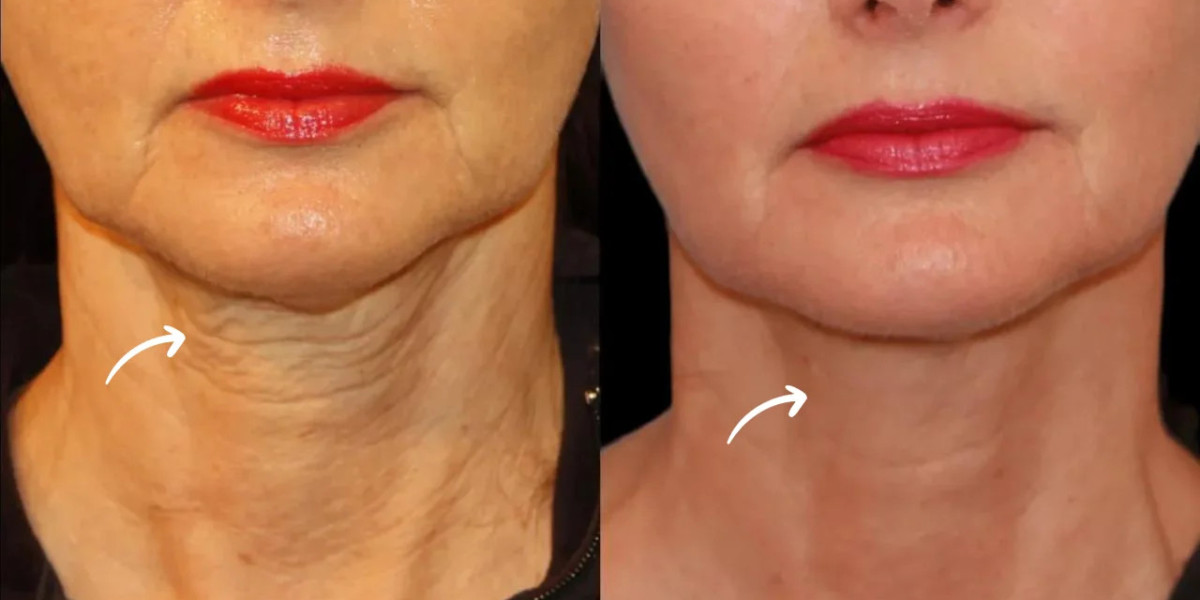

Sculptra is an injectable aesthetic treatment designed to stimulate the body's natural collagen production gradually. Unlike traditional dermal fillers that provide immediate volume, it works over time to improve skin firmness, restore lost facial volume, and support a smoother, more refreshed appearance. For individuals considering their first treatment, understanding the procedure, preparation, and recovery process can make the experience more comfortable and predictable.
A first session usually begins with a detailed consultation, followed by an assessment of the treatment area and a personalized injection plan. Whether someone is interested in improving facial volume or addressing other areas of concern, knowing what happens at each stage helps establish realistic expectations.
This guide explains what to expect before, during, and after your first appointment, including the consultation process, treatment steps, possible side effects, and factors that influence results.
What Happens During Your First Sculptra in Dubai Session?
A first Sculptra in Dubai appointment generally involves three important stages: consultation, treatment preparation, and injections. Each stage helps the practitioner understand the patient's aesthetic goals and determine whether the treatment is appropriate.
Unlike procedures that focus on creating immediate volume, Sculptra works gradually by encouraging collagen production. Therefore, the first session is not simply about administering injections. It also involves assessing the skin, discussing expectations, and planning an approach that supports balanced, natural-looking results.
Initial Consultation and Skin Assessment
The appointment usually begins with a conversation about the patient's concerns, aesthetic preferences, medical history, and previous cosmetic treatments. The practitioner evaluates skin quality, facial structure, volume changes, and the areas that may benefit from collagen stimulation.
During this assessment, patients should discuss:
Their primary aesthetic concerns and desired improvements.
Previous injectable treatments or cosmetic procedures.
Known allergies and relevant medical conditions.
Current medications and supplements.
Any history of unusual reactions to injectable treatments.
This information helps the practitioner assess suitability and identify potential risks. Patients should also discuss whether they prefer subtle improvements or more noticeable changes over time.
Understanding the Treatment Plan
After the assessment, the practitioner explains the recommended treatment approach. This may include the number of sessions, approximate injection sites, expected improvement timeline, and possible side effects.
The treatment plan depends on individual anatomy, skin condition, treatment goals, and clinical judgment. Not everyone requires the same amount of product or number of appointments.
Patients should use this opportunity to ask questions about the procedure, recovery expectations, and follow-up appointments.
How to Choose the Best Aesthetic Clinic in Dubai for Your First Session
Choosing the Best Aesthetic Clinic in Dubai is an important part of preparing for an injectable treatment. A suitable clinic should prioritize patient safety, proper assessment, transparent communication, and treatment planning based on individual needs.
The best aesthetic clinic should also provide clear information about the procedure, expected outcomes, potential complications, and aftercare requirements. Patients deserve to understand what the treatment can realistically achieve before making a decision.
Check Practitioner Qualifications and Experience
The experience and qualifications of the treating practitioner are important considerations. Injectable treatments require a thorough understanding of facial anatomy, injection techniques, product characteristics, and complication management.
Patients may consider consulting the Best Doctors in Dubai when researching qualified aesthetic practitioners. However, they should verify the individual practitioner's credentials, relevant training, and experience rather than relying only on general rankings or promotional descriptions.
Discuss Product Information and Safety
Before proceeding, patients should ask which product will be used, how it is prepared, and whether it is appropriate for their concerns. They should also understand the possible risks and available options if an unexpected reaction occurs.
A professional consultation should never involve pressure to purchase additional treatments. Patients should feel comfortable asking questions and taking time to make an informed decision.
How to Prepare for Your First Sculptra Appointment
Proper preparation can help make the treatment experience more comfortable. Although extensive preparation is not usually necessary, a few practical steps can help patients arrive informed and ready for their appointment.
Share Your Complete Medical History
Before treatment, inform the practitioner about existing medical conditions, allergies, previous procedures, and any medications or supplements you take.
Certain medical conditions, active skin infections, and a history of specific reactions may affect treatment suitability. The practitioner should review these details before recommending injections.
Follow Medication and Supplement Guidance
Some medications and supplements can increase the likelihood of bruising or bleeding. However, patients should never stop prescribed medication independently.
Instead, discuss all medications with the treating practitioner, who can provide appropriate instructions based on individual circumstances.
Avoid Irritating the Treatment Area
Keep the skin clean and avoid unnecessary irritation before the appointment. If there is an active infection, rash, or significant inflammation in the intended treatment area, inform the practitioner before proceeding.
Patients should also follow any specific preparation instructions provided by the clinic.
Plan Your Appointment Around Your Schedule
Although many patients can return to their usual activities relatively quickly, temporary swelling, redness, tenderness, or bruising may occur.
Scheduling the appointment when there is enough time for initial recovery can help reduce unnecessary inconvenience, particularly before important social events.
What Happens During Sculptra Injections?
Once the consultation and preparation are complete, the practitioner begins the injection process. The exact technique depends on the treatment area, the patient's anatomy, and the clinical plan.
Step 1: Cleaning and Preparing the Skin
The treatment area is cleaned using an appropriate antiseptic solution to reduce the risk of infection.
Depending on the patient's comfort level and the treatment plan, a topical numbing product or another appropriate comfort measure may be used.
Step 2: Preparing the Product
Sculptra is made with poly-L-lactic acid (PLLA), a biocompatible synthetic material that stimulates the body's collagen-producing response.
The product requires preparation according to its instructions before administration. The practitioner ensures that the preparation process and handling follow the manufacturer's guidance.
Step 3: Administering the Injections
The practitioner uses a suitable injection technique to place the product in the planned treatment areas. The number of sculptra injections and the amount used depend on the patient's individual needs.
Patients may experience mild pressure, pinching, or discomfort during the procedure. The sensation varies depending on the injection site and individual sensitivity.
Step 4: Checking the Treated Area
After administration, the practitioner checks the treatment area and provides relevant aftercare instructions. Patients may also receive guidance about massage when appropriate for the specific treatment plan.
The session length varies according to the treatment area and complexity. Patients should confirm the expected appointment duration during their consultation.
What Results Should You Expect After Your First Session?
One important thing to understand is that Sculptra does not produce its full collagen-related effects immediately.
Some temporary fullness may be noticeable directly after treatment because of the liquid used during administration and local swelling. This initial appearance should not be confused with the eventual result.
Over the following weeks and months, the treatment stimulates collagen production, which may gradually improve volume, skin texture, and firmness.
Understanding the Collagen Stimulation Process
Collagen is an important structural protein that supports skin firmness and elasticity. As natural collagen levels change with age, certain areas may begin to look less full or firm.
Sculptra encourages the body's collagen-producing response rather than simply filling a space with immediate volume. The improvement develops gradually, making the treatment suitable for individuals who prefer progressive aesthetic changes.
Why Multiple Sessions May Be Recommended
Some patients may require more than one session to achieve their desired outcome. The recommended treatment schedule depends on the extent of volume loss, treatment area, individual response, and practitioner's assessment.
It is important not to judge the final outcome immediately after the first appointment. Follow-up assessments help determine whether additional sessions are appropriate.
Possible Side Effects After Your First Treatment
Like other injectable aesthetic procedures, Sculptra may cause temporary side effects. Understanding these possibilities helps patients distinguish expected short-term reactions from symptoms that require medical attention.
Common temporary reactions may include:
Redness around the injection sites.
Mild swelling or tenderness.
Bruising or minor bleeding.
Temporary discomfort or sensitivity.
Small areas of firmness around treated sites.
These reactions often improve as the skin recovers. However, a qualified practitioner should evaluate persistent or worsening symptoms.
Less Common Complications
Some complications may develop after treatment, including delayed nodules, lumps, inflammation, or infection. Rare but serious complications associated with injectable procedures can include vascular injury.
Patients should seek urgent medical assessment if they experience severe or increasing pain, unusual skin discoloration, vision changes, or other concerning symptoms.
The practitioner should explain the warning signs to watch for and provide clear instructions on how to obtain medical assistance.
Aftercare Instructions for Better Recovery
Following the practitioner's aftercare instructions is an important part of the treatment process. Recommendations may vary depending on the injection technique, treatment area, and individual circumstances.
Follow the Recommended Massage Instructions
When directed by the practitioner, massage may be recommended to help distribute the product appropriately. Patients should follow the specific technique, duration, and frequency provided by their treating professional rather than applying unnecessary pressure.
Keep the Treatment Area Clean
Maintain good hygiene and avoid touching or irritating the injection sites unnecessarily. Follow the clinic's instructions regarding skincare products, makeup, and cleansing after treatment.
Avoid Intense Activities Initially
Depending on the treatment area and individual recovery, patients may be advised to avoid strenuous exercise, excessive heat exposure, or activities that increase discomfort for a short period.
The practitioner should provide guidance about when normal activities can safely resume.
Attend Follow-Up Appointments
Follow-up visits allow the practitioner to evaluate healing, assess the developing results, and discuss whether additional treatment is needed.
Patients should not schedule further injections independently without an appropriate assessment.
Understanding Sculptra Cost in Dubai and Treatment Factors
The Sculptra Cost in Dubai can vary depending on several factors, including the amount of product required, number of sessions, treatment area, and practitioner's expertise.
A personalized treatment plan is important because two patients with similar concerns may require different approaches.
When researching sculptra cost, patients should look beyond the initial session fee and understand the potential expense of completing the recommended treatment plan. Asking for a breakdown of the sculptra price can help patients compare treatment options and make informed financial decisions.
What Influences the Overall Treatment Expense?
Several considerations may affect the overall cost:
Treatment area: Different areas may require different quantities of product.
Number of sessions: Some patients need multiple appointments.
Product quantity: The amount used depends on individual treatment goals.
Practitioner's experience: Qualifications and clinical expertise are important considerations.
Treatment complexity: The patient's anatomy and the extent of correction may influence planning.
It is important to understand the difference between the initial appointment expense and the estimated cost of completing the recommended treatment plan.
Is Sculptra Suitable for Different Treatment Areas?
Although Sculptra is commonly associated with facial rejuvenation, patients may also encounter information about its use in other body areas. However, treatment suitability, product authorization, and clinical evidence can differ depending on the intended application.
Facial Rejuvenation
Facial treatments may focus on areas affected by age-related volume changes and reduced skin firmness. Depending on the assessment, practitioners may discuss sculptra fillers for suitable facial concerns.
The treatment approach may also involve evaluating the sculptra face application, including whether collagen stimulation is appropriate for the patient's specific facial anatomy.
Some patients ask about sculptra cheeks when exploring options for improving the appearance of reduced cheek volume. However, the practitioner must determine whether the treatment is suitable and explain its limitations.
Body Contouring Considerations
Patients researching sculptra for buttocks may be interested in improving the appearance of certain body contours. However, they should understand that treatment in this area may involve different clinical considerations from facial applications.
Questions about sculptra buttock injections should be discussed with a qualified practitioner who can explain the evidence, potential risks, product authorization, and suitability of the proposed procedure.
Similarly, the terms "buttock sculptra" and "sculptra filler for buttocks" are often used when researching non-surgical body-contouring options. These descriptions do not automatically establish that a particular treatment is approved or appropriate for every patient.
Individuals interested in sculptra for hip dips should receive a detailed assessment of their anatomy, expectations, and available treatment options before considering injections.
Other Areas Patients May Ask About
Some patients also explore sculptra dermal filler options for different aesthetic concerns. The practitioner should explain the product's actual mechanism and distinguish collagen stimulation from conventional volumizing fillers.
People researching sculptra for neck may be interested in improving the appearance of skin firmness in this area. However, the neck requires careful evaluation because its anatomy and treatment considerations differ from those of the face.
Patients interested in sculptra should always confirm whether their intended treatment area is suitable and whether the proposed application is supported by appropriate clinical evidence and applicable product guidance.
Patients should never assume that a treatment suitable for one area can automatically be used in another.
Why Choose Professional Guidance at Perfect Doctors Clinic?
When considering an injectable collagen-stimulating treatment, professional guidance is essential. Patients should receive an individual assessment, a clear explanation of the procedure, and realistic expectations about potential outcomes.
At Perfect Doctors Clinic, patients can discuss their aesthetic concerns and explore whether Sculptra is appropriate for their treatment goals. Dr. Perfect Celebrity can be referenced in the context of understanding the clinic's aesthetic treatment approach, while patients should confirm the treating practitioner's qualifications and suitability for their specific procedure.
A consultation should cover the treatment process, potential risks, recovery instructions, and expected timeline. It should also provide an opportunity to discuss alternatives if Sculptra is not the most suitable option.
The objective should always be a safe, informed, and individualized treatment decision rather than pursuing a particular aesthetic result at any cost.
Conclusion
Your first Sculptra appointment involves more than receiving injections. It begins with a consultation, medical assessment, and treatment plan designed around your individual needs. The procedure itself is generally straightforward, but the collagen-stimulating effects develop gradually over time.
Understanding preparation, possible side effects, aftercare, and realistic result expectations can help you approach the treatment with greater confidence. Before proceeding, choose a qualified practitioner, ask questions about product suitability, and ensure that you understand the complete treatment plan.
Whether your goal is to address facial volume changes or explore other aesthetic concerns, a professional assessment is the best starting point for making an informed decision.
Frequently Asked Questions
1. What Should I Expect During My First Sculptra Session?
Your first appointment generally includes a consultation, skin assessment, treatment planning, product preparation, and injections. The practitioner also explains aftercare instructions and what to expect during recovery.
2. Is Sculptra Painful?
Most patients experience mild discomfort, pressure, or pinching during injections. The level of discomfort varies depending on the treatment area and individual sensitivity. Appropriate comfort measures may be used when necessary.
3. How Long Does a Sculptra Appointment Take?
The appointment duration depends on the treatment area, consultation requirements, and complexity of the procedure. Patients should ask their clinic for an estimated appointment time before scheduling.
4. Will I See Results Immediately After My First Session?
No. Sculptra is designed to stimulate natural collagen production gradually. Temporary fullness may appear immediately after treatment because of swelling and the liquid used during administration, but this is not the final result.
5. How Many Sculptra Sessions Will I Need?
The number of sessions varies according to individual concerns, treatment areas, and desired outcomes. Some patients may need multiple appointments, while others may require a different approach. The practitioner determines the appropriate schedule after assessment.
6. Can I Return to My Normal Activities After Treatment?
Many patients can resume ordinary activities relatively quickly. However, temporary redness, swelling, bruising, or tenderness may occur. Follow your practitioner's instructions regarding exercise, skincare, and other activities.
7. What Are the Most Common Side Effects of Sculptra?
Common temporary side effects include swelling, redness, tenderness, bruising, and discomfort around injection sites. Less common complications may include delayed nodules, lumps, or infection.
8. How Long Does It Take to See the Full Results?
Improvements develop gradually over several weeks and months as collagen production increases. The timeline differs between individuals and depends on the treatment plan and personal response.
9. Can Sculptra Be Used for Areas Other Than the Face?
Sculptra may be discussed for certain body-contouring applications, but its suitability and authorization depend on the intended area and applicable regulations. Patients should consult a qualified practitioner about the evidence, risks, and available alternatives before considering treatment outside established indications.
10. What Should I Ask My Practitioner Before Getting Sculptra?
Ask about practitioner qualifications, product suitability, expected results, possible side effects, the number of sessions, aftercare requirements, and the total treatment expense. You should also understand how complications would be assessed and managed.