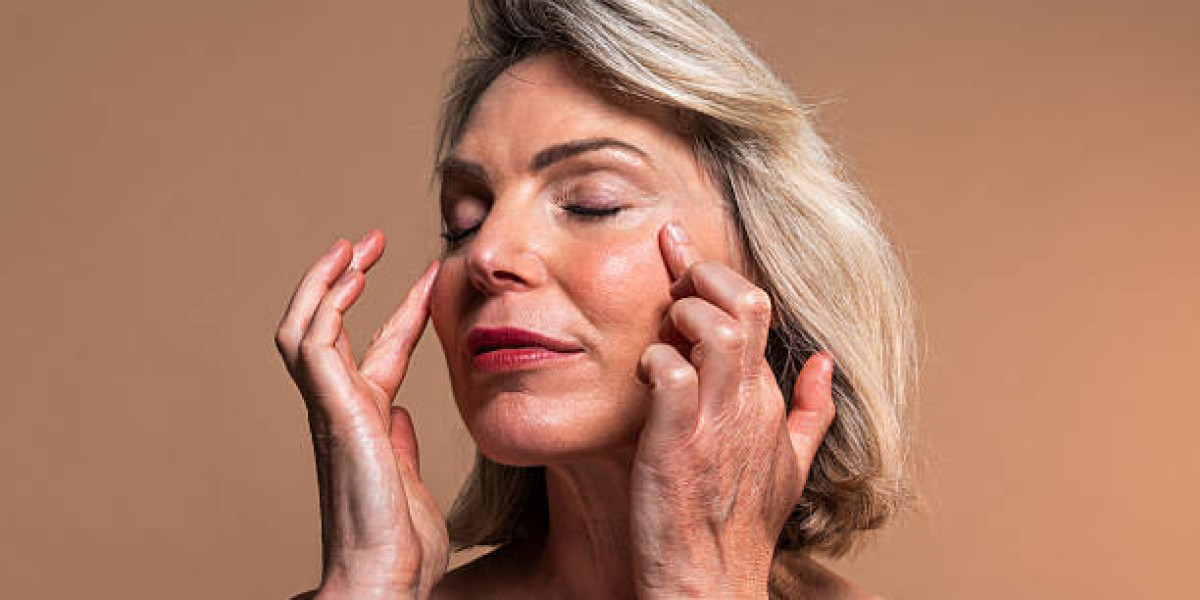

Under-eye bags can create a tired or aged appearance, even when someone feels well-rested. They may develop because of aging, genetics, fluid retention, loose skin, or changes in the fat surrounding the eyes. Dermal fillers are sometimes used to improve the appearance of the under-eye area, particularly when hollowness creates shadows beneath the lower eyelids. However, fillers do not work for every type of eye bag. Understanding how they work, their limitations, and their potential risks can help individuals considering Eye Bag Removal in Riyadh make informed treatment decisions.
How Do Dermal Fillers Work for Under-Eye Concerns?
Dermal fillers are injectable products designed to restore volume beneath the skin. Hyaluronic acid fillers are commonly used for selected cosmetic concerns because hyaluronic acid attracts and retains moisture.
When there is a noticeable hollow between the lower eyelid and upper cheek, carefully placed filler may help create a smoother transition. This can reduce the appearance of shadows and make the under-eye area look more refreshed.
However, fillers do not remove excess fat or tighten significantly loose skin. Their effectiveness depends on the individual's facial anatomy and the actual cause of the under-eye concern.
Can Dermal Fillers Actually Remove Under-Eye Bags?
Dermal fillers do not physically remove under-eye bags. Instead, they may improve the appearance of certain cases by addressing volume loss and hollowness.
It is important to distinguish between two common concerns:
Under-Eye Hollowness
Some people develop a hollow area beneath the eyes due to genetics, aging, or changes in facial volume. This creates a shadow that can make the area appear darker or more sunken.
In carefully selected patients, filler may restore some volume and create a smoother-looking contour.
Prominent Under-Eye Fat Pads
Other people have visible bulges caused by fat pads beneath the lower eyelids. These may become more noticeable as the supporting tissues weaken with age.
Fillers cannot remove these fat pads. In some cases, adding volume may make existing puffiness look worse. A specialist may recommend a different treatment approach, such as lower eyelid surgery, depending on the examination.
What Types of Dermal Fillers Are Used Beneath the Eyes?
Hyaluronic acid fillers are generally the main type considered for tear-trough correction. They are available in different formulations, and the choice depends on the treatment area, tissue characteristics, and professional judgment.
Hyaluronic Acid Fillers
Hyaluronic acid is a substance naturally found in the body that helps maintain moisture and volume. Certain formulations may be suitable for carefully selected under-eye treatments.
These fillers can improve hollowness when placed appropriately. Some hyaluronic acid products can also be dissolved using an enzyme called hyaluronidase when medically necessary. However, dissolving filler does not eliminate every possible complication.
Not every filler product is suitable for the delicate under-eye area. A qualified injector should explain the product, its intended use, and its potential risks before treatment.
Who May Be a Suitable Candidate for Under-Eye Fillers?
Dermal fillers may be considered for adults who have under-eye hollowness rather than significant fat protrusion or loose skin.
Potential candidates may include individuals who have:
Mild to moderate tear-trough hollowness.
Shadows caused by volume loss beneath the eyes.
Relatively good skin quality and elasticity.
Realistic expectations about the possible improvement.
No medical or anatomical factors that make treatment unsuitable.
People with prominent under-eye bags, fluid retention, significant skin laxity, or certain eye-related conditions may not be suitable candidates. A thorough examination is essential before proceeding.
What Happens During an Under-Eye Filler Procedure?
The treatment usually begins with a consultation and assessment of the lower eyelid and cheek area. The injector reviews medical history, previous cosmetic treatments, allergies, and individual expectations.
If treatment is considered appropriate, the skin is cleaned, and a topical numbing product may be used when suitable. The filler is then carefully placed using an appropriate injection technique.
The procedure may take a relatively short time, depending on the treatment plan. Some temporary swelling, tenderness, or bruising can occur afterward. Patients should follow the provider's aftercare instructions and avoid pressing or massaging the area unless specifically advised.
What Are the Possible Side Effects and Risks?
The under-eye area contains delicate tissues and important blood vessels, making filler treatment particularly sensitive. Although many patients experience only temporary effects, complications are possible.
Common side effects may include:
Temporary swelling.
Bruising or tenderness.
Redness around injection points.
Unevenness or visible lumps.
A bluish discoloration beneath the skin, sometimes called the Tyndall effect.
Persistent puffiness due to fluid retention or filler placement.
Rare but serious complications include vascular blockage, skin injury, and vision loss. Sudden vision changes, severe pain, or unusual skin discoloration after an injection require immediate emergency medical attention.
Treatment should only be performed by an appropriately qualified and experienced medical professional who understands under-eye anatomy and can manage complications.
How Long Do Under-Eye Filler Results Last?
Results vary depending on the filler product, amount used, placement, and individual metabolism. Improvement may last several months or longer, but it is not permanent.
The under-eye area can also change over time because of natural aging and changes in facial tissues. Additional treatment may be considered only after reassessment by a qualified professional.
Dermal Fillers vs. Lower Eyelid Surgery: Which Is More Suitable?
The most appropriate option depends on the cause of the under-eye concern.
Dermal fillers may help selected patients with hollowness and volume loss. They do not remove excess fat or correct substantial loose skin.
Lower eyelid surgery, also known as lower blepharoplasty, can address prominent fat pads by removing or repositioning fat. It may also involve removing excess skin when necessary. Surgery is generally considered for structural eye bags rather than simple hollowness.
People researching Eye Bag Removal in Riyadh should understand that these procedures serve different purposes. A professional examination can help determine which approach is suitable and whether treatment is necessary at all.
Book a Consultation at Royal Clinic Saudia
If you are concerned about under-eye bags or hollowness, a professional assessment can help clarify the cause and available treatment options. You can contact Royal Clinic Saudia to discuss your concerns and arrange a consultation. Ask about the suitability of dermal fillers, alternative treatments, expected results, and potential complications before making a decision.
FAQs:
Do Dermal Fillers Work for Puffy Under-Eyes?
Fillers are generally more suitable for under-eye hollowness than actual puffiness. If the lower eyelids have prominent fat pads or fluid-related swelling, fillers may not help and could make the area look fuller.
Are Under-Eye Fillers Permanent?
No. Hyaluronic acid fillers are temporary, and their effects gradually diminish. The duration varies depending on the product, placement, and individual factors.
Can Under-Eye Fillers Be Dissolved?
Many hyaluronic acid fillers can be dissolved with hyaluronidase when appropriate. However, the enzyme should only be administered by a qualified medical professional, and it does not guarantee that every complication will be reversed.
Are Dermal Fillers Safer Than Lower Eyelid Surgery?
Both treatments have different risks. Fillers avoid surgical incisions but carry rare, serious risks such as vascular blockage and vision loss. Surgery involves anesthesia, recovery, and potential eyelid-related complications. A qualified professional can help compare the options based on individual needs.