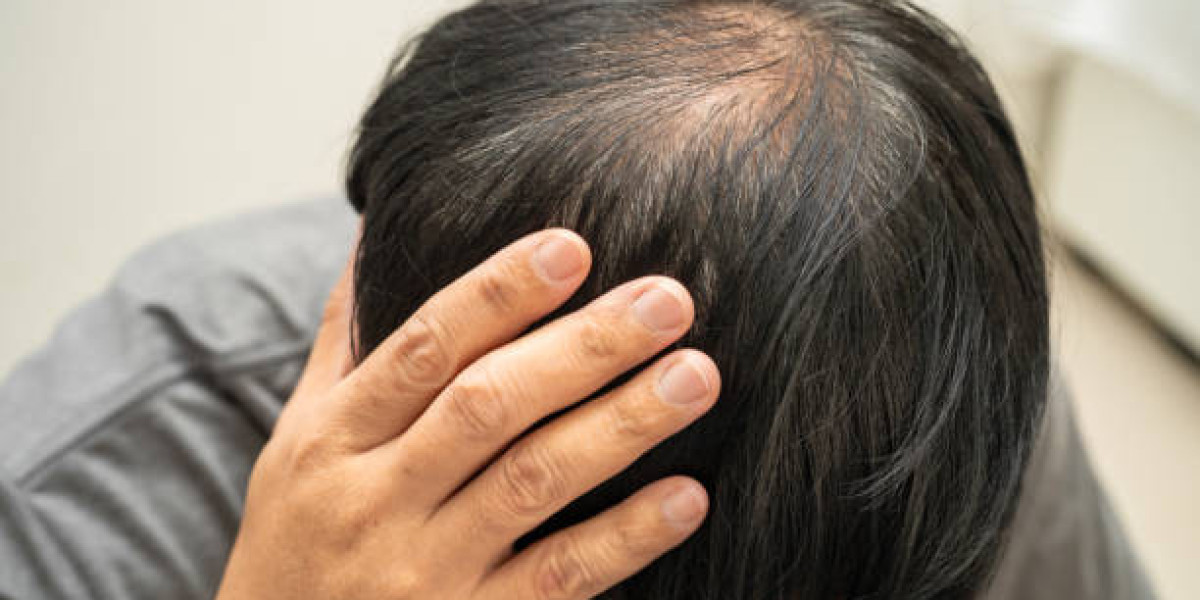

Preparing for a professional hair restoration procedure is an important step toward achieving safe and satisfactory results. Whether you are considering PRP therapy, mesotherapy, laser therapy, medication, or a hair transplant, proper preparation can help your specialist understand your needs and recommend an appropriate approach. Before choosing Hair Loss Treatment in Riyadh, it is important to understand the cause of your hair loss, review your medical history, and learn what to expect during the procedure.
Every patient experiences hair loss differently. Some people notice gradual thinning, while others experience sudden shedding, a receding hairline, or bald patches. A professional consultation helps identify possible causes and determine which treatment options may be suitable. Preparing for Hair Loss Treatment in Riyadh also gives you an opportunity to discuss your concerns, ask questions, and understand the recommended treatment plan.
Why Is Preparation Important Before Hair Loss Treatment?
Preparation allows your healthcare professional to evaluate your scalp condition, identify possible risk factors, and plan treatment according to your individual needs. It can also help reduce avoidable complications and make the treatment experience more comfortable.
Hair loss may be associated with genetics, hormonal changes, nutritional deficiencies, stress, certain medications, or scalp conditions. Since different causes require different approaches, treatment should begin with an accurate assessment rather than selecting a procedure based only on popularity.
Steps to Prepare for a Professional Hair Loss Treatment
Taking a few practical steps before your appointment can help you get more value from your consultation and prepare for the recommended procedure.
1. Schedule a Professional Consultation
Start by arranging an appointment with a qualified dermatologist or hair restoration specialist. During the consultation, the professional may examine your scalp, review your hair loss pattern, and ask when the symptoms first appeared.
You should explain whether your hair loss is gradual or sudden and mention any itching, scaling, redness, or discomfort. This information helps the specialist understand your condition and decide whether additional investigations are needed.
2. Understand the Cause of Your Hair Loss
Identifying the underlying cause is essential before starting treatment. Genetic pattern hair loss, temporary shedding, alopecia areata, nutritional deficiencies, and inflammatory scalp disorders may require different management strategies.
Depending on your symptoms and medical history, your specialist may recommend blood tests or other assessments. These may help investigate issues such as iron deficiency or thyroid dysfunction when clinically appropriate.
3. Share Your Medical History and Medications
Provide complete information about your health conditions, allergies, previous hair treatments, and current medications. Mention prescription medicines, over-the-counter products, vitamins, and herbal supplements.
This step is particularly important before procedures involving injections or surgery. Do not stop prescribed medication or supplements without discussing it with your healthcare professional.
4. Follow Pre-Treatment Instructions
Preparation requirements vary depending on the selected procedure. For example, PRP therapy, mesotherapy, laser treatments, and hair transplantation may have different instructions.
Your clinic may advise you to arrive with a clean scalp, avoid certain hair products, or follow specific medication precautions. If you are undergoing surgery, you may receive additional instructions about eating, drinking, and medication use.
Always follow the instructions provided for your particular treatment instead of relying on general advice.
5. Avoid Unnecessary Scalp Irritation
Before your appointment, avoid activities or products that could irritate your scalp if your specialist recommends doing so. These may include harsh chemical treatments, aggressive exfoliation, or excessive heat styling.
If you have an active scalp infection, severe irritation, or an unexplained rash, inform your specialist before the procedure. Treatment may need to be postponed until the condition is assessed.
6. Prepare Questions for Your Specialist
A consultation is the right time to understand the procedure and its expected outcomes. Consider asking:
What is the likely cause of my hair loss?
Which treatment options are suitable for my condition?
How many sessions might I need?
What side effects or complications should I know about?
How long will recovery take?
When should I expect to notice changes?
Will I need ongoing treatment to maintain results?
Clear answers can help you make an informed decision and establish realistic expectations.
What Should You Expect During the Initial Assessment?
A professional hair loss assessment usually begins with a discussion of your symptoms and medical background. The specialist may examine your scalp, hair density, hairline, and areas of thinning. Photographs or a scalp analysis may also be used to monitor changes over time.
In some cases, blood tests or a scalp biopsy may be considered when the diagnosis is unclear or an underlying condition is suspected. Not every patient requires these investigations. The assessment depends on individual symptoms and clinical findings.
How to Prepare for Different Hair Restoration Procedures
Different treatments require different preparation steps.
PRP Hair Therapy
PRP involves collecting a blood sample, processing it to concentrate platelets, and injecting the preparation into selected scalp areas. Your specialist may provide instructions about hydration, medications, and scalp care. Discuss blood-thinning medication before treatment and never discontinue it independently.
Mesotherapy
Mesotherapy uses injections into the scalp, with ingredients varying between providers. Ask which substances will be used, what evidence supports their use, and whether you have any allergies or contraindications.
Laser Hair Therapy
Low-level laser therapy is non-invasive and generally requires minimal preparation. Your specialist should explain how to use the device, how frequently sessions are needed, and which safety instructions to follow.
Hair Transplant Surgery
Hair transplantation requires more detailed preparation because it is a surgical procedure. Your surgeon may review your general health, assess the donor area, discuss medication precautions, and provide specific instructions for the day of surgery and recovery.
Common Mistakes to Avoid Before Hair Loss Treatment
Avoid choosing a treatment without understanding the cause of your hair loss. Do not take supplements or use medications simply because they are advertised for hair growth. Excessive supplementation can be harmful, and some products may interact with medications or affect medical test results.
You should also avoid expecting immediate results. Hair growth is gradual, and the time required to notice improvement varies according to the treatment, diagnosis, and individual response.
Choose a Personalized Hair Treatment Plan in Riyadh
A carefully planned approach can make your treatment journey more organized and help you understand what to expect. Professional Hair Loss Treatment in Riyadh should begin with an assessment of your scalp, medical history, and specific hair restoration goals. The right treatment plan depends on the underlying cause of hair loss, your health, and the available evidence for each procedure.
Book Your Consultation at Royal Clinic Saudia
If you are experiencing hair thinning, excessive shedding, or a receding hairline, Royal Clinic Saudia can help you explore suitable hair restoration options. Schedule a consultation to discuss your concerns, receive a professional assessment, and understand how to prepare for a treatment that matches your needs.
FAQs:
Should I wash my hair before a hair loss treatment?
It depends on the procedure. Some clinics recommend arriving with a clean scalp, while others provide specific washing instructions. Follow the guidance given by your specialist before the appointment.
Can I take vitamins before hair restoration treatment?
Do not start new vitamins or supplements without professional advice. Tell your specialist about everything you currently take, as certain supplements may affect bleeding risk or interfere with medical tests.
Do I need blood tests before hair loss treatment?
Not everyone needs blood tests. Your specialist may recommend them if your symptoms or medical history suggest possible nutritional deficiencies, thyroid problems, or other underlying conditions.
How early should I prepare for a hair restoration procedure?
For a consultation, you can prepare by collecting your medical history, medication list, and questions in advance. Surgical procedures may require several days or longer of preparation, depending on your surgeon's instructions.