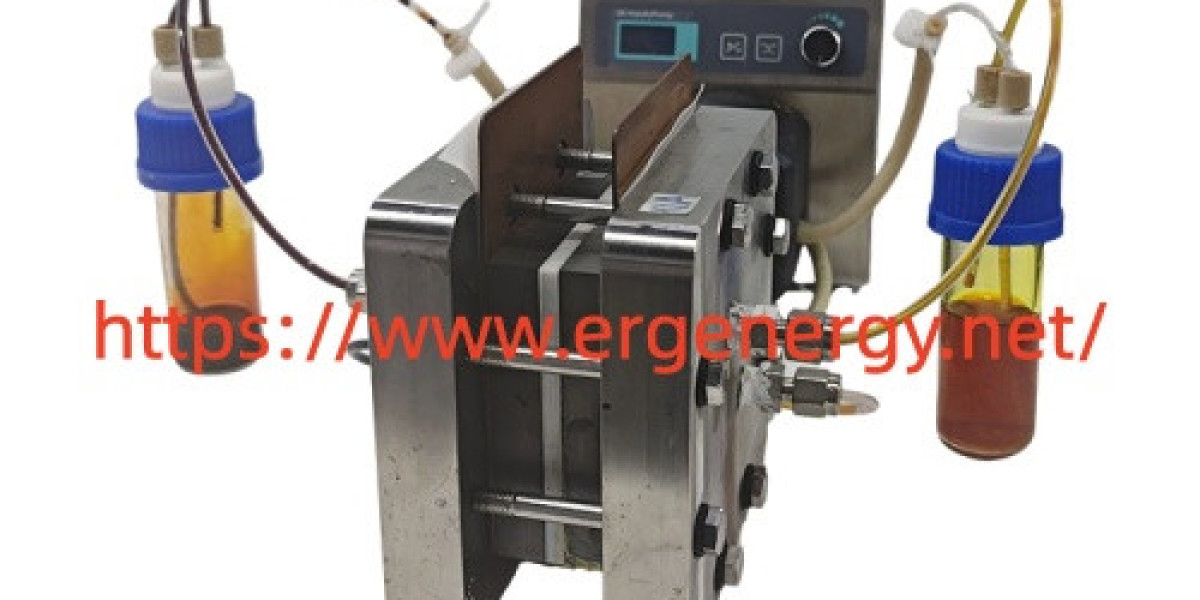

Laboratory Single Cell Battery plays an important role in early-stage electrochemical research, where scientists need to examine material behavior, reaction processes, and structural designs under controlled experimental conditions. Before a new energy storage concept moves toward practical application, researchers often need to understand how individual components interact. A carefully designed testing unit provides an environment for studying these interactions, comparing different materials, and evaluating changes during repeated charging and discharging procedures.
For universities, research institutions, and corporate development departments, experimental equipment is more than a tool for obtaining test results. It is part of the entire development process. Researchers may need to investigate membrane characteristics, electrode structures, electrolyte compatibility, or the influence of different assembly methods. Each experiment can provide useful information for improving product concepts and guiding subsequent engineering decisions.
Material selection is one of the central subjects in electrochemical development. Different membranes have different chemical properties, ionic transport characteristics, and mechanical structures. Researchers need to examine how these properties interact with the surrounding electrolyte and other internal components. A suitable testing arrangement makes it easier to compare material samples under consistent experimental conditions.
Electrode evaluation is another important research direction. Surface characteristics, conductivity, chemical compatibility, and physical structure can influence electrochemical reactions. When researchers change electrode materials or surface treatments, they need equipment that allows these differences to be evaluated without introducing unnecessary variations into the experimental process.
Electrolyte research also creates specific testing requirements. In vanadium redox flow technology, liquid electrolyte participates directly in the electrochemical reaction. Its chemical composition, circulation conditions, and interaction with internal materials can influence experimental observations. Researchers may compare different formulations or examine how operating conditions affect reaction behavior. Suitable testing equipment helps organize these investigations in a controlled environment.
Another important consideration is experimental repeatability. Scientific research often involves performing similar procedures several times to determine whether observed changes are related to a material modification or other operating conditions. Consistent assembly, appropriate sealing, stable connections, and clearly documented procedures can help reduce unnecessary differences between experiments.
The physical structure of research equipment also deserves attention. A modular design can make component inspection and replacement more convenient. Researchers may need to remove internal parts, change membrane samples, adjust electrode arrangements, or examine the condition of sealing materials after testing. Equipment that accommodates these activities can support a wider range of experimental procedures.
Ease of operation matters as well. Researchers frequently move between sample preparation, equipment assembly, electrolyte circulation, data collection, and result analysis. A clearly organized structure can make these activities easier to coordinate. Accessible connections and practical assembly procedures are useful considerations when comparing equipment from different manufacturers.
When purchasing experimental equipment, research teams should begin by identifying their actual testing objectives. Are they studying membrane performance, comparing electrode materials, investigating electrolyte behavior, or examining electrochemical reaction mechanisms? Different objectives may require different configurations and supporting accessories. Defining these requirements before purchasing can help avoid unnecessary equipment adjustments later.
Buyers should also consider the compatibility of supporting instruments. Circulation pumps, tubing, electrical connections, monitoring devices, and charging equipment may all form part of a complete experimental arrangement. The equipment supplier should be able to communicate clearly about connection requirements and available configurations. This is particularly relevant when researchers intend to integrate new equipment into an existing research facility.
Documentation and technical support are equally relevant. Research teams benefit from clear assembly instructions, component information, and guidance on equipment handling. When experimental requirements change, communication with the manufacturer can help determine whether a different configuration or customized component arrangement is appropriate.
ERG develops laboratory-scale vanadium flow testing products for universities, research institutions, and corporate research departments. Its product range includes compact experimental units and modular arrangements designed for material evaluation, electrochemical studies, and development work. The company also focuses on internal structural design and manufacturing processes, providing customization according to different research requirements. These capabilities help connect material investigation with practical engineering development.
Another important part of the development process is the relationship between experimental findings and future product design. Results from early-stage testing can help engineers identify material compatibility issues, evaluate structural changes, and determine which concepts deserve further investigation. Moving from controlled experiments toward larger engineering projects requires additional validation, but carefully organized early research can provide useful technical direction.
For research teams planning new experiments, selecting suitable equipment involves balancing flexibility, material compatibility, operating convenience, and technical support. A clear understanding of these factors can make equipment purchasing more purposeful and help researchers organize their work around specific development objectives. ERG continues to provide products and customized solutions for electrochemical research and flow energy technology. Universities, technical institutes, and industrial development teams can review its related product categories at https://www.ergenergy.net/product/ to find equipment suited to their research plans and future development projects.