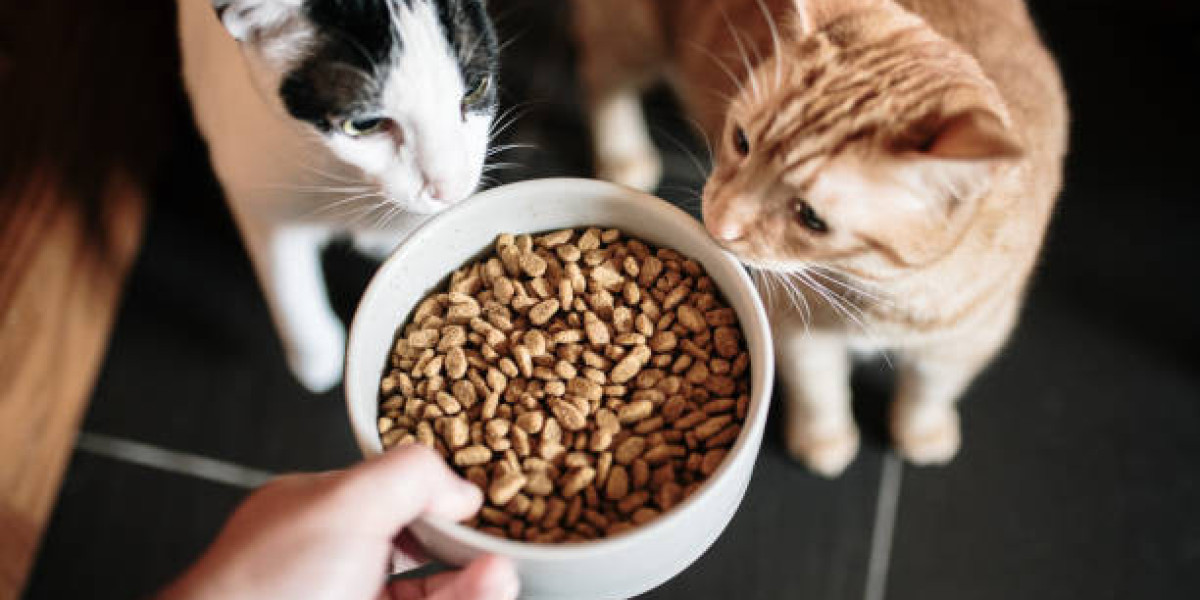

China's cat food industry is experiencing a gradual transformation as pet ownership patterns, consumer expectations, and purchasing habits continue to evolve. Cats are increasingly viewed as family companions, encouraging owners to pay closer attention to nutrition, ingredient quality, and overall animal wellbeing. This shift is influencing product development, brand positioning, and distribution strategies across the country.
The changing relationship between consumers and their pets is also contributing to greater demand for specialized food products. Rather than focusing exclusively on affordability, an increasing number of cat owners are considering nutritional composition, protein sources, product quality, and suitability for different health requirements. These developments are creating new opportunities for manufacturers while intensifying competition among established and emerging brands.
China's Cat Food Industry Shows Consistent Growth Potential
According to a study published by VynZ Research, China's cat food industry was valued at $4.54 billion in 2024 and is projected to reach $5.67 billion by 2030, registering a compound annual growth rate (CAGR) of 3.77% between 2025 and 2030.
This projected expansion reflects changing consumption patterns and increasing attention to pet nutrition. Although the growth of cat ownership is expected to moderate, rising expenditure on quality-oriented products is anticipated to support the industry's development. Consumers are increasingly interested in food formulations that address specific nutritional requirements and common health concerns.
The growing emphasis on pet wellbeing is also influencing purchasing decisions. Cat owners are becoming more selective about the products they purchase, examining ingredient composition and nutritional benefits rather than relying exclusively on established brand preferences. This shift is encouraging manufacturers to differentiate their offerings through product quality and specialized formulations.
Premium Nutrition Is Influencing Purchasing Decisions
One of the notable developments in China's cat food industry is the increasing preference for premium and mid-priced products. Pet humanisation, which describes the tendency to treat companion animals as family members, is influencing how consumers approach pet care and nutrition.
As emotional attachment to cats strengthens, owners are showing greater interest in products that support their pets' health and quality of life. This includes formulations designed to address digestive health, weight management, and other nutritional requirements.
The transition towards premium products is also creating opportunities for domestic manufacturers. Locally produced cat food offerings are gaining attention by combining appealing ingredient compositions with comparatively accessible pricing. This development is encouraging established companies and emerging brands to improve product formulations and expand their premium portfolios.
However, premiumisation does not necessarily eliminate price sensitivity. Consumers continue to balance product quality, nutritional value, and affordability. Consequently, manufacturers serving different consumer segments may need to maintain differentiated product portfolios rather than concentrating exclusively on high-priced offerings.
Dry Cat Food Continues to Maintain a Strong Position
Product preferences remain an important factor shaping competition within the industry. Dry cat food accounted for approximately 70% of China's cat food industry in 2024, according to the VynZ Research study.
Its established position reflects its convenience, storage advantages, and suitability for regular feeding routines. Dry formulations are widely used as staple food products, making them an important category for manufacturers seeking consistent consumer demand.
Nevertheless, product diversification is becoming increasingly relevant. Wet cat food, treats, and mixers are also contributing to the broader product landscape. These categories allow manufacturers to address different feeding preferences and consumption occasions.
The development of specialized formulations is further expanding product differentiation. Manufacturers are exploring options that cater to different life stages, dietary preferences, and nutritional requirements. Such diversification allows companies to respond to consumers who are increasingly interested in tailored feeding solutions.
Ingredient Quality and Meat Diversification Gain Attention
Ingredient transparency is becoming an important consideration among Chinese cat owners. Consumers are showing greater interest in products containing identifiable protein sources and higher-quality meat ingredients.
According to the industry study, manufacturers are increasingly incorporating alternative meat ingredients, including rabbit, turkey, and white-feather chicken, into their product portfolios. This diversification reflects changing expectations surrounding protein quality, ingredient sourcing, and nutritional composition.
Domestic brands are also responding through new product formulations. For example, Fregate has introduced its Fresh Meat series, featuring white-feather chicken, while Legend Sandy has developed turkey-based cat food offerings.
These developments demonstrate how ingredient selection is becoming a differentiation factor. Companies are increasingly required to communicate product composition clearly while addressing consumer expectations around freshness, nutritional value, and ingredient origins.
The broader emphasis on ingredient transparency is consistent with developments identified in international industry research. Agriculture and Agri-Food Canada, in its analysis of China's pet food sector, also highlights growing interest in health-oriented formulations, traceable ingredients, and functional nutrition.
E-Commerce Continues to Influence Distribution
Digital retail channels have become an important part of China's cat food distribution landscape. Online purchasing offers consumers convenience, product variety, and access to different brands without geographical limitations.
Platforms such as Tmall and Douyin are contributing to changes in how consumers discover and purchase cat food. E-commerce also enables manufacturers to communicate product features, introduce new formulations, and engage directly with customers through digital content.
However, the development of online distribution does not eliminate the relevance of physical retail. Pet specialty stores, supermarkets, and veterinary hospitals continue to serve consumers who value product guidance and professional recommendations.
Veterinary hospitals and specialized pet stores are particularly relevant when purchasing decisions involve nutritional requirements or specific health concerns. Their advisory role can influence product selection and encourage greater consideration of specialized formulations.
The coexistence of online convenience and offline guidance is therefore shaping distribution competition. Manufacturers increasingly operate in an environment where product accessibility, consumer education, and retail presence all contribute to purchasing decisions.
Competition Encourages Product and Brand Differentiation
China's cat food industry includes both domestic and international participants. Companies such as NetEase Inc, Yantai China Pet Foods Co Ltd, Rongxi Pet Food Co Ltd, Royal Canin China Co Ltd, and Gambol Pet Group Co Ltd are among the companies identified in the VynZ Research study.
Competition is increasingly influenced by product positioning, ingredient quality, pricing, and distribution capabilities. Domestic manufacturers are strengthening their presence through locally relevant formulations and competitive pricing, while international participants continue to operate across established product categories.
The growing availability of specialized products is also raising consumer expectations. Brands must increasingly demonstrate how their formulations address nutritional requirements and distinguish themselves from competing offerings.
As a result, innovation is becoming an important competitive consideration. Companies that can balance product quality, affordability, ingredient transparency, and accessibility may be better positioned to respond to evolving consumer preferences.
Outlook: Nutrition and Convenience Will Shape Future Developments
China's cat food industry is expected to experience steady development through 2030. The projected increase in industry value reflects the combined influence of premiumisation, changing pet ownership preferences, product innovation, and evolving purchasing behaviour.
Demand for high-quality ingredients and specialized nutrition is likely to remain relevant as consumers become more attentive to their cats' dietary requirements. At the same time, dry cat food is expected to retain its established position, while wet food, treats, and diversified protein formulations contribute to broader product development.
Distribution strategies will also remain important. E-commerce platforms are expected to maintain a significant role, while specialty retailers and veterinary channels provide opportunities for product guidance and consumer engagement.
Overall, the industry's development will depend not only on the number of cats owned in China but also on how consumers allocate spending towards nutrition and animal wellbeing. Manufacturers operating in this environment will need to balance affordability, product quality, and changing dietary expectations as competition continues to evolve.