
The first week after breast reduction surgery is an important stage of the healing process. During this period, the body begins recovering from the removal of excess breast tissue, fat, and skin. Patients may experience swelling, bruising, tenderness, and temporary changes in breast sensation as the tissues adjust to their new shape. Understanding these changes can help patients prepare for recovery and follow the right aftercare routine. During Breast Reduction in Riyadh, surgeons provide postoperative guidance to help patients manage discomfort and protect the surgical areas.
Although every patient's recovery experience is different, the first seven days generally involve rest, medication, wound care, and limited physical activity. Some patients may feel more comfortable after a few days, while others need additional time to manage soreness and fatigue. Patients undergoing Breast Reduction in Riyadh should remember that early recovery is not the time to judge the final breast shape because swelling and temporary tissue changes are still present.
What Happens Immediately After Breast Reduction Surgery?
After the procedure, patients are moved to a recovery area where medical staff monitor them as the effects of general anesthesia gradually wear off. The breasts are usually covered with surgical dressings, and a supportive garment may be applied to protect the treated area.
Patients may feel sleepy, tired, or slightly uncomfortable when they wake up. Medical staff provide instructions about pain medication, wound care, and movement restrictions. Depending on the surgical plan and recovery condition, patients may return home the same day or stay overnight for observation.
First Week After Breast Reduction: Day-by-Day Expectations
Day 1: Rest and Initial Discomfort
The first day is mainly focused on rest and allowing the body to begin healing. Patients may experience soreness, tightness, swelling, and mild bruising around the breasts. These symptoms are common after surgery and can be managed with medication prescribed by the surgeon.
Patients should avoid unnecessary movement and arrange assistance with everyday tasks. Sleeping on the back with the upper body slightly elevated may help reduce pressure on the chest, if recommended by the medical team.
Days 2–3: Swelling and Tenderness
During the next few days, swelling and bruising may become more noticeable. The breasts can feel firm, sensitive, or heavier than expected because of postoperative inflammation.
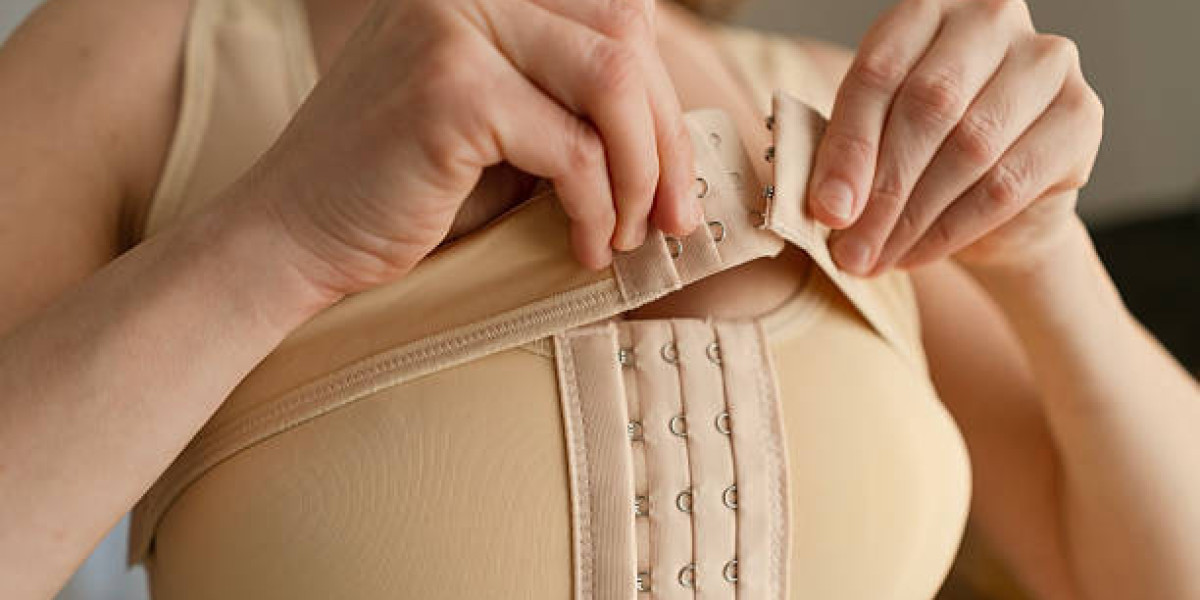
Patients should continue taking prescribed medication as directed and wear their supportive surgical bra according to instructions. Gentle walking around the home may be encouraged to support circulation, but strenuous activity should be avoided.
Days 4–5: Gradual Improvement
Many patients begin noticing gradual improvement in discomfort during this stage. However, tenderness, tightness, and swelling can remain. Incision areas may also feel sensitive as the tissues continue healing.
Patients should keep the surgical areas protected and follow the recommended dressing and hygiene instructions. They should not remove dressings, apply creams, or use other products on incision sites unless approved by their surgeon.
Days 6–7: Early Recovery Progress
By the end of the first week, some patients feel more comfortable performing light daily activities. Swelling and bruising may begin improving, although they are unlikely to disappear completely.
A follow-up appointment may be scheduled to examine the breasts, check the incisions, and assess healing. Patients should continue avoiding heavy lifting, excessive stretching, and activities that place pressure on the chest.
Common Symptoms During the First Week
Swelling and Bruising
Swelling and bruising are normal responses to surgery. They may affect the appearance of the breasts during the early healing period and usually improve gradually over the following weeks.
Pain and Tightness
Patients may experience soreness, pressure, or tightness around the chest. The intensity varies depending on the surgical technique, tissue removal, and individual pain tolerance. Prescribed medication can help manage discomfort.
Temporary Changes in Sensation
The breasts or nipples may feel unusually sensitive, numb, or slightly different after surgery. These changes can occur because tissues and nerves need time to recover. Sensation may improve gradually, but recovery varies between patients.
Tiredness and Limited Mobility
Fatigue is common during the first few days, particularly as the body recovers from anesthesia and surgery. Patients may also find reaching overhead or lifting objects uncomfortable, so they should avoid unnecessary strain.
Essential Aftercare Tips for the First Seven Days
Follow all medication instructions provided by the surgeon.
Wear the recommended surgical bra for the advised period.
Get sufficient rest and avoid strenuous physical activities.
Take gentle, short walks if permitted by the medical team.
Keep incision areas clean and follow dressing instructions.
Avoid lifting heavy objects or stretching the arms excessively.
Attend scheduled follow-up appointments.
Ask for assistance with household activities when needed.
Following these recommendations can support healing and make the first week more manageable after Breast Reduction in Riyadh.
What Should You Avoid During the First Week?
Patients should avoid heavy lifting, vigorous exercise, sudden upper-body movements, and sleeping on their stomach or directly on the breasts. Smoking and nicotine products should also be avoided because they can interfere with wound healing. Patients should not drive while taking medication that causes drowsiness or until they are medically cleared.
It is equally important not to compare recovery progress with other patients. Healing depends on individual health, surgical details, and the body's response to treatment.
When Should You Contact Your Surgeon?
Mild swelling, bruising, and tenderness are expected, but certain symptoms require prompt medical assessment. Contact the surgical team if you notice worsening or severe pain, increasing redness, fever, unusual discharge, significant bleeding, or sudden swelling, especially if one breast becomes noticeably larger than the other.
Sudden chest pain, difficulty breathing, or fainting requires emergency medical attention. Reporting unusual symptoms early helps the medical team assess possible complications.
Book a Consultation at Royal Clinic Saudia
Proper preparation and postoperative guidance can make the first week after surgery easier to manage. At Royal Clinic Saudia, patients can discuss recovery expectations, understand aftercare requirements, and receive personalized guidance about Breast Reduction in Riyadh. Schedule a consultation with a qualified specialist to learn more about the procedure and its healing process.
FAQs:
Is the first week after breast reduction very painful?
Patients commonly experience soreness, tightness, swelling, and tenderness, especially during the first few days. Prescribed medication and proper rest can help manage discomfort.
Can I walk during the first week after breast reduction?
Gentle walking is often encouraged when the surgeon permits it because it supports circulation. However, patients should avoid strenuous exercise, heavy lifting, and movements that strain the chest.
Can I shower during the first week after surgery?
Showering depends on the surgeon's instructions, dressing type, and wound condition. Patients should ask their medical team when it is safe and how to protect the incision areas.
Is swelling normal seven days after breast reduction?
Yes. Swelling can remain noticeable after the first week and usually decreases gradually over several weeks. Sudden or worsening swelling should be reported to the surgeon.