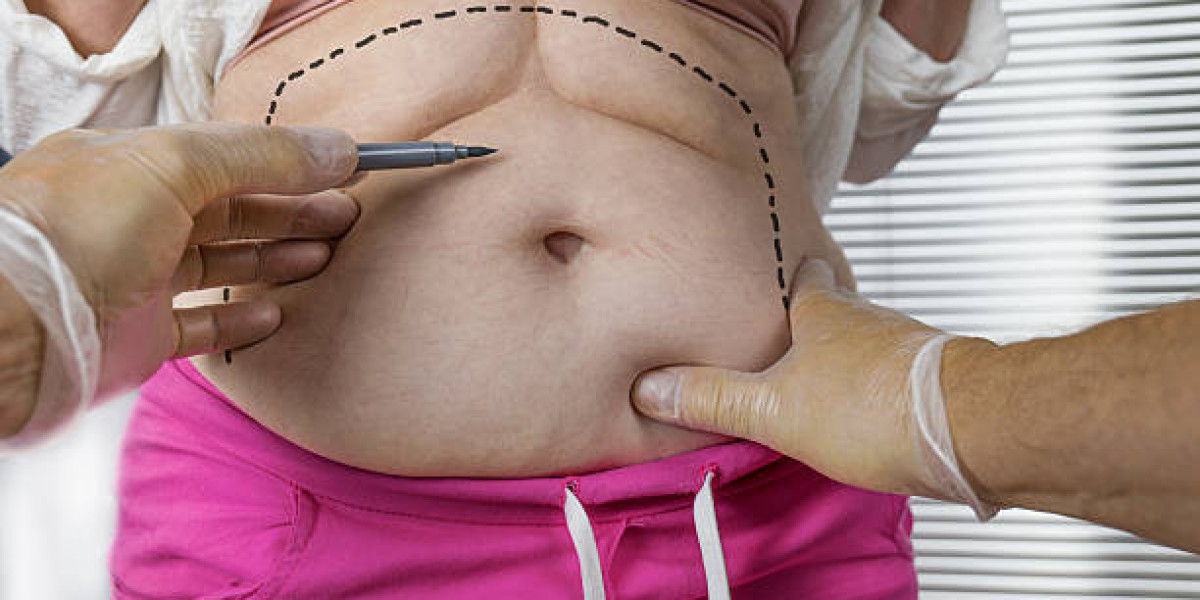

After pregnancy, many women notice changes in their abdominal area, including stubborn fat deposits, loose skin, and changes in muscle strength. These changes are natural, but some women explore cosmetic treatments to improve their abdominal appearance after childbirth. One option they may consider is Fat Melting Injections in Riyadh. However, whether these injections can help with post-pregnancy belly fat depends on the cause of the abdominal changes, the treatment formulation, and individual medical suitability.
Fat-dissolving injections are designed to target selected localized fat deposits rather than reduce overall body weight. They do not tighten loose skin, repair separated abdominal muscles, or remove fat surrounding internal organs. Therefore, understanding the difference between postpartum fat, loose skin, and muscle separation is important before choosing a treatment.
Why Does Belly Fat Develop After Pregnancy?
Hormonal and Physical Changes
Pregnancy brings significant hormonal and physical changes that affect the body's fat distribution, skin elasticity, and abdominal muscles. Some women retain additional fat around the abdomen after childbirth, while others experience changes in their waistline even after returning close to their previous weight. These changes vary from person to person.
Abdominal Muscle Separation
Diastasis recti is a condition in which the abdominal muscles separate during pregnancy as the abdomen expands. It can cause a rounded or protruding belly even when excess fat is not the main concern. Fat-dissolving injections cannot repair this muscle separation, so an appropriate assessment is important before considering cosmetic fat reduction.
Loose Skin and Stretch Marks
The skin stretches during pregnancy, and some women experience reduced elasticity afterward. This may lead to loose abdominal skin, folds, or stretch marks. Injectable fat-reduction treatments are not designed to remove excess skin or directly improve significant skin laxity.
What Are Fat Melting Injections?
How Do They Work?
Fat-dissolving injections use specific substances administered into targeted tissue to disrupt fat cells. The body gradually processes the affected cellular material. However, different formulations have different ingredients, clinical evidence, and approved indications. Certain deoxycholic acid formulations are approved for reducing fat beneath the chin, but this approval does not automatically extend to the abdomen.
Can They Target Post-Pregnancy Belly Fat?
The possibility of treating abdominal fat depends on the specific product and whether its use in that area is supported by clinical evidence and local regulatory approval. It should not be assumed that an injectable product approved for one body area is suitable for another. Fat Melting Injections in Riyadh should only be considered for an abdominal concern after a qualified medical professional has assessed the area and confirmed that the specific formulation is appropriate.
When May Fat Melting Injections Be Considered After Pregnancy?
Localized Fat Deposits
Some women may have a small, localized fat deposit that remains after their weight has stabilized. In principle, targeted fat-reduction treatments may be discussed when the concern is genuinely localized subcutaneous fat. However, abdominal injections require particular caution because evidence and product approvals vary.
When the Body Has Had Time to Recover
The body needs time to recover after childbirth. Before considering elective cosmetic treatment, women should allow their physical condition and weight to stabilize and discuss their recovery with a healthcare professional. There is no single waiting period that is appropriate for everyone.
Breastfeeding Considerations
The safety of many fat-dissolving injectable formulations during breastfeeding has not been adequately established. Elective treatment is generally postponed while breastfeeding unless a qualified healthcare professional has reviewed the specific product and provided appropriate guidance. Do not assume that a treatment is safe simply because it is non-surgical.
Other Ways to Address Post-Pregnancy Belly Fat
Balanced Nutrition and Weight Management
A balanced diet containing vegetables, fruits, whole grains, lean protein, and healthy fats can support postpartum recovery and general wellness. Avoid extreme dieting, particularly during breastfeeding, when nutritional needs may be different. A healthcare professional or qualified dietitian can help develop an appropriate plan.
Postpartum Exercise
Once medically cleared, gradual physical activity can support strength, mobility, and weight management. Exercises recommended by a qualified physiotherapist may be particularly helpful for women experiencing abdominal muscle separation. The exercise plan should match individual recovery and fitness levels.
Medical Assessment for Loose Skin or Muscle Separation
If the main concern is loose skin or diastasis recti, other approaches may be more suitable than fat-dissolving injections. A clinician can assess whether physiotherapy, skin-focused treatments, or a surgical consultation is appropriate based on the individual's anatomy and goals.
Risks and Important Safety Considerations
Fat-dissolving injections are medical procedures and can cause swelling, bruising, redness, tenderness, firmness, and temporary changes in sensation. More serious complications may include infection, nerve injury, tissue damage, skin necrosis, allergic reactions, and uneven contours. The risks depend on the formulation, technique, and treatment area.
Women should disclose their pregnancy and breastfeeding history, current medications, allergies, and any abdominal concerns during consultation. Fat Melting Injections in Riyadh should never be used as a substitute for postpartum medical care, weight management, or treatment for abdominal muscle separation.
Book a Consultation at Royal Clinic Saudia
If you are considering cosmetic treatment for post-pregnancy abdominal changes, arrange a consultation at Royal Clinic Saudia. A qualified medical professional can assess whether the concern involves localized fat, loose skin, or abdominal muscle separation and explain suitable options. Discussing your postpartum recovery and breastfeeding status is also important before considering any elective injectable procedure.
FAQs:
Can fat melting injections remove belly fat after pregnancy?
They may be discussed for selected localized fat deposits only when the specific formulation is supported and appropriate for the intended area. They cannot repair separated abdominal muscles, tighten loose skin, or remove visceral fat.
How soon after childbirth can I consider fat melting injections?
There is no universal waiting period. It is important to allow time for postpartum recovery and weight stabilization and to obtain medical advice. Elective treatment is generally postponed during breastfeeding because safety has not been adequately established for many formulations.
Can fat melting injections treat loose abdominal skin?
No. These injections are intended to target selected fat deposits, not remove excess skin or restore skin elasticity. Other treatments may be more appropriate depending on the degree of skin laxity.
Are fat melting injections a replacement for postpartum exercise?
No. They do not provide the health and fitness benefits of physical activity or address abdominal muscle weakness. A suitable postpartum exercise routine, introduced after medical clearance, can support recovery and overall wellness.