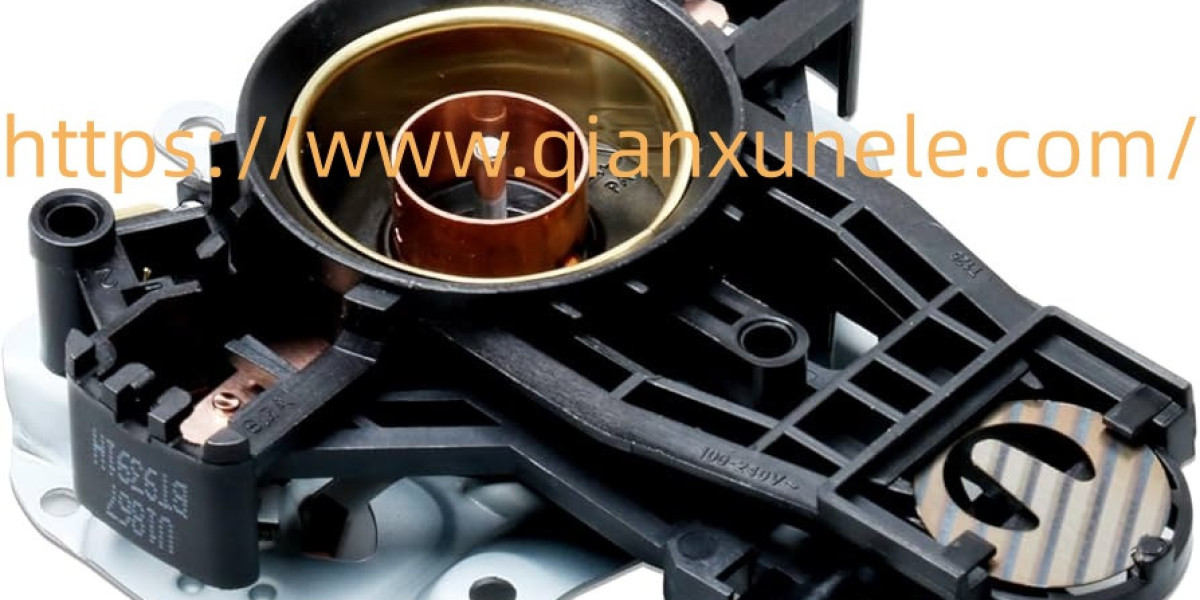

Strix Thermostat Switch selection is an important part of electric kettle component purchasing. For appliance manufacturers, the right temperature control component needs to match the heating system, internal structure, electrical requirements, and intended operating conditions. A product that looks suitable may still create installation or functional problems if its specifications do not correspond with the appliance design. Buyers should therefore review several technical and manufacturing details before confirming an order.
Consider the Kettle Structure and Heating Method
The first step is to understand the appliance in which the component will be installed. Electric kettles can have different heating arrangements, base structures, internal layouts, and steam channels. These differences influence the type of control mechanism required.
Buyers should provide information about the kettle capacity, heating element arrangement, mounting position, and intended application. If the component is being purchased for an existing product, photographs and assembly drawings can help clarify the installation environment.
For new appliance development, engineering teams should share the preliminary design before selecting a component. Early communication gives the manufacturer an opportunity to review the proposed arrangement and discuss possible compatibility concerns.
Review Steam Detection and Response Conditions
Steam detection is an important consideration for kettle temperature controls. During heating, water produces vapor that travels through a designated channel toward the sensing mechanism. When the required operating condition is reached, the internal mechanism activates the switching action and interrupts power to the heating element.
Buyers should examine the position and design of the steam channel in relation to the kettle structure. An unsuitable connection or poorly matched assembly may affect the way vapor reaches the sensing area.
It is also useful to ask how the component responds under the intended operating conditions. Discuss the specified activation temperature, response behavior, and applicable testing procedures with the supplier instead of relying on appearance alone.
Confirm Electrical Parameters Before Purchasing
Electrical ratings need to correspond with the appliance design. Buyers should check rated voltage, current, frequency, contact resistance, insulation resistance, and withstand voltage where applicable.
These parameters should be reviewed against the electrical requirements of the complete kettle. Selecting a component without checking the heating element and power supply specifications may create compatibility concerns during assembly or operation.
Purchasing teams should request the relevant technical datasheet and confirm that the information refers to the exact model being considered. If the project involves different appliance versions, prepare a separate specification list for each version to avoid confusion during ordering.
Examine Installation Dimensions and Terminal Layout
Mechanical compatibility deserves the same attention as electrical performance. Buyers should measure the available installation space and check the position of mounting points, terminals, connectors, and surrounding components.
Even a small dimensional difference can affect the assembly process. For manufacturers operating established production lines, an alternative component may require changes to fixtures, wiring arrangements, or internal housing structures.
When evaluating a replacement part, provide the existing model number and dimensional information. For a new design, technical drawings can help the supplier review the required configuration. Clear measurements also make it easier to discuss customized connection arrangements.
Ask About Protective Functions and Operating Limits
Temperature regulation and protective functions should be evaluated according to the appliance application. Buyers may need to check automatic shut-off, dry-heating protection, reset behavior, and over-temperature protection.
However, protective arrangements can vary between models. Do not assume that two products with similar external dimensions include identical functions. Ask the manufacturer to identify the features available in the selected configuration and provide supporting technical information.
It is also important to understand the specified operating limits. Environmental temperature, moisture exposure, and repeated heating cycles may influence the conditions under which a component is expected to operate. These factors should be considered during product selection and engineering evaluation.
Arrange Sample Testing Before Confirming Production
A sample evaluation allows buyers to check the actual installation and operating behavior before committing to a larger quantity. Samples should be tested in the intended appliance assembly rather than assessed only as separate components.
During evaluation, review terminal connections, mounting compatibility, steam response, switching behavior, and automatic power interruption. Record any differences between the sample and the approved technical specifications.
For manufacturers developing several kettle models, sample testing can also help identify whether one configuration is appropriate for multiple product versions. If adjustments are necessary, provide detailed feedback and request confirmation of the revised specifications before approving production.
Evaluate Manufacturing Communication and Order Support
A purchasing decision should also consider how clearly the supplier handles technical communication. Buyers should ask about available models, customization possibilities, production arrangements, inspection procedures, packaging, and delivery schedules.
Before submitting a bulk order, prepare a complete specification sheet containing the required electrical parameters, installation dimensions, operating conditions, and estimated quantity. This makes it easier for the manufacturer to assess the request and prepare a relevant quotation.At qianxunele, buyers can discuss kettle temperature control components, technical requirements, and product configurations with the manufacturing team. Visit https://www.qianxunele.com/product/ to review available product categories and submit your drawings, model requirements, and purchasing details for further discussion.