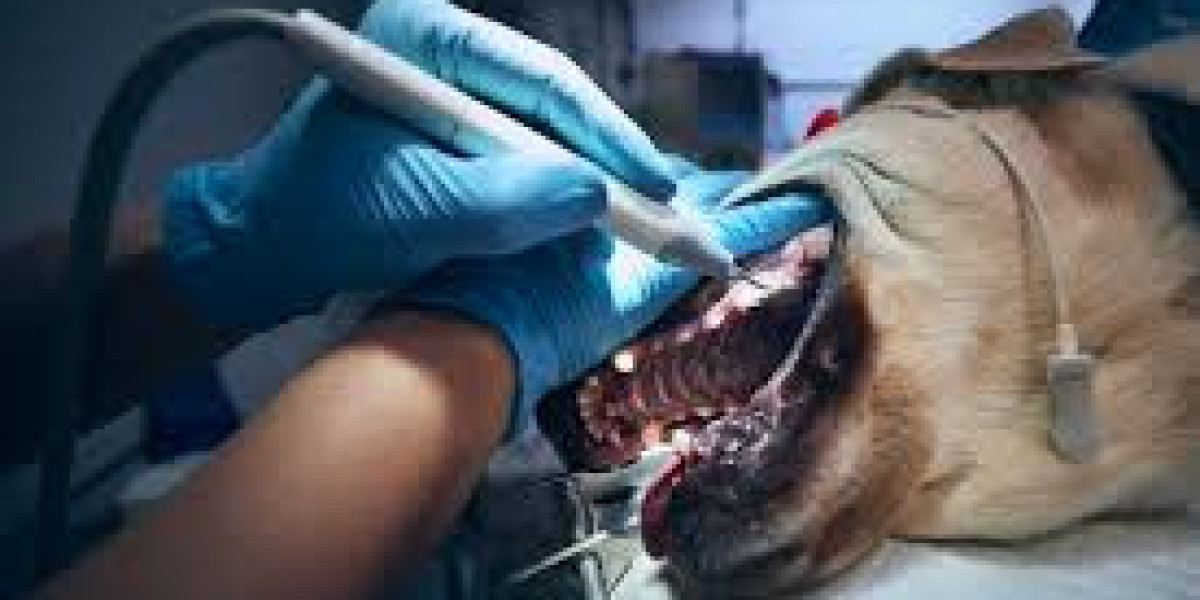

A pet dental cleaning is one of the most valuable things you can schedule for your dog or cat, yet it is also one of the most commonly postponed. Dental disease develops quietly, often without any outward sign until a pet is already in pain. By the time an owner notices bad breath that seems unusually strong or a pet that is chewing on one side of the mouth, the problem has usually been building for months or even years.
At Eagle Animal Hospital in Chester Springs, dental care is treated as a core part of preventive medicine rather than an optional extra. This guide explains why dental disease is so common, what a professional cleaning actually involves, and how you can protect your pet's teeth between visits.
Why Dental Disease Is So Common in Pets
Most pets over the age of three show some degree of dental disease. The reason is simple. Plaque, a soft film of bacteria, begins forming on teeth within hours of eating. If it is not removed, it hardens into tartar within a few days. Tartar is rough and porous, which makes it easier for even more plaque to cling to the surface, creating a cycle that continues to build along the gumline.
Pets cannot brush their own teeth, and many owners find daily brushing difficult to maintain. Even pets who chew toys and eat dental treats regularly can develop significant buildup, because the most damaging bacteria collect below the gumline where chewing cannot reach. This is why a professional cleaning is so important. It reaches areas that no amount of home care or chewing can access.
What Dental Disease Does Beyond the Mouth
Dental disease is not just a cosmetic issue or a matter of bad breath. As bacteria multiply along the gumline, the gums become inflamed and begin to pull away from the teeth. This creates pockets where infection can settle and spread to the bone that holds the teeth in place. Over time, teeth can loosen, break, or fall out.
The effects can also reach beyond the mouth. Bacteria from infected gums can enter the bloodstream, and chronic dental infection has been linked to added stress on the heart, liver, and kidneys. A pet with a painful mouth may also eat less, drop food, or become irritable, and owners often describe a dramatic change in their pet's energy and mood after a painful tooth is treated.
Signs Your Pet May Need a Cleaning
Several signs suggest it is time for a professional evaluation. Persistent bad breath is the most common, and it should not be dismissed as normal. Other signs include visible yellow or brown tartar on the teeth, red or swollen gums, bleeding when chewing, drooling more than usual, pawing at the mouth, and dropping food while eating.
Some pets show no obvious signs at all. Cats in particular are very good at hiding mouth pain, and they may continue eating even when several teeth are diseased. This is one reason regular wellness visits are so important, since the veterinarian can see changes that an owner cannot.
How a Professional Cleaning Works
A professional cleaning is performed under general anesthesia. This is necessary because the most important part of the cleaning happens below the gumline, and a pet cannot be expected to hold still while those areas are carefully cleaned. Anesthesia also allows for dental X rays and a complete examination of each tooth, which would be impossible with an awake pet.
Before the Procedure
Your pet receives a physical exam and preanesthetic bloodwork to confirm they are healthy enough for anesthesia. This step is especially important for senior pets or those with existing conditions, since it allows the team to tailor the anesthesia plan to your pet's individual needs. You can learn more about what these tests reveal on the hospital's pet bloodwork page.
During the Procedure
While your pet is under anesthesia, a dedicated team member monitors heart rate, oxygen levels, and other vital signs. The veterinarian examines each tooth, measures any gum pockets, and takes dental X rays to evaluate the roots and surrounding bone. Tartar is then removed above and below the gumline with specialized instruments, and the teeth are polished to leave a smooth surface that resists new plaque.
If a tooth is badly damaged or infected, it may need to be extracted. The X rays help the veterinarian decide which teeth can be saved and which are causing pain that will not improve without removal.
After the Procedure
Pets wake up gradually in a monitored recovery area and usually go home the same day. They may be a little sleepy that evening, and most return to their normal appetite within a day or two. If extractions were performed, pain medication and soft food are typically recommended for several days.
How Often Pets Need Professional Cleanings
There is no single schedule that fits every pet. Many dogs and cats do well with a cleaning every one to two years, while small breed dogs and pets prone to heavy tartar may need them more often. Your veterinarian will recommend a schedule based on what is found at each wellness visit. For more detail on timing, this guide on how often dogs need dental cleanings explains what influences the interval.
The Role of the Regular Dental Exam
A professional cleaning does not replace routine dental screening. At every wellness visit, the veterinarian checks the teeth and gums, looks for tartar, and notes any changes since the last visit. A focused dog dental check up can also be scheduled between cleanings if you notice a change at home, such as new bad breath or reluctance to chew. Catching a problem early often means a simpler and less expensive treatment later.
Caring for Your Pet's Teeth at Home
Professional care works best when paired with consistent home care. Daily brushing with a toothpaste made for pets is the gold standard. Never use human toothpaste, since it can upset a pet's stomach. If daily brushing is not realistic, brushing a few times a week still makes a meaningful difference compared with none.
Dental chews, water additives, and dental diets can add some benefit. Products approved by the Veterinary Oral Health Council have been tested for their ability to reduce plaque or tartar, which makes them a good place to start. Chew toys should be soft enough to indent with your thumbnail, since toys that are too hard can fracture teeth.
Starting Early With Puppies and Kittens
Good dental habits begin in the first few months of life. Gently lifting your puppy or kitten's lips and touching the teeth and gums each day builds comfort with handling. Once adult teeth have come in, brushing can begin. A pet that is used to having its mouth touched is far easier to examine, brush, and treat throughout life.
Common Myths About Pet Dental Care
Several myths keep pets from receiving the care they need. One is that bad breath is simply normal for dogs and cats. In reality, it is almost always a sign of bacterial buildup. Another is that a pet who is still eating well must not be in pain. Pets instinctively hide discomfort, so continued eating does not mean the mouth is healthy.
A third myth is that anesthesia free cleanings are a safe substitute. Scraping visible tartar from an awake pet may improve appearance, but it cannot reach the areas under the gumline where disease actually develops, and it does not allow X rays or a complete exam. It can also create a false sense of security while disease continues underneath.
Is Anesthesia Safe for Dental Cleanings
Owners often worry about anesthesia, and the concern is understandable. Modern protocols, careful preanesthetic screening, and continuous monitoring make anesthesia safe for the vast majority of pets, including many seniors. The screening step exists specifically to identify the pets who need a modified approach. Untreated dental disease carries its own risks, and for most pets the benefits of treatment far outweigh the risks of anesthesia.
Choosing Where to Have Your Pet's Teeth Cleaned
When searching for an animal hospital near me that offers dental care, ask whether dental X rays are included, how anesthesia is monitored, and how pain is managed afterward. A hospital that can perform exams, bloodwork, X rays, cleaning, and extractions in one place makes the process smoother and safer for your pet.
Eagle Animal Hospital offers complete dental care along with an in house pharmacy, laboratory, and digital radiology, so most needs can be addressed during a single visit. The team has cared for pets in Chester Springs and surrounding Chester County communities for more than 18 years.
Recognizing When It Cannot Wait
Some situations call for prompt attention. If your pet has a swollen face, stops eating, bleeds from the mouth, or seems to be in obvious pain, call the hospital right away rather than waiting for the next scheduled visit. You can also read about the signs of dental disease in pets to learn what to watch for between appointments.
Scheduling Your Pet's Dental Care
Dental disease is one of the most preventable and treatable conditions in veterinary medicine, but only when it is addressed. Eagle Animal Hospital offers appointments during regular business hours, evenings on Tuesdays and Thursdays, and Saturday mornings. Request an appointment online to schedule a dental evaluation for your dog or cat.
Frequently Asked Questions
Q: Why does my pet need a professional dental cleaning?
A: Home care cannot remove tartar below the gumline, where the most harmful bacteria collect. A professional cleaning under anesthesia reaches those areas, allows X rays, and helps prevent pain, infection, and tooth loss.
Q: How often should my pet have a dental cleaning?
A: Many pets do well with a cleaning every one to two years. Small breed dogs and pets that build tartar quickly may need them more often, and your veterinarian will recommend a schedule at each wellness visit.
Q: Is anesthesia really necessary for a dental cleaning?
A: Yes. Anesthesia allows thorough cleaning below the gumline, complete tooth exams, and dental X rays. Preanesthetic bloodwork and continuous monitoring help keep the procedure safe for most pets, including many seniors.
Q: What signs suggest my pet has dental disease?
A: Common signs include persistent bad breath, visible tartar, red or swollen gums, drooling, pawing at the mouth, and dropping food. Some pets, especially cats, show no obvious signs, so regular exams are important.
Q: Can I clean my pet's teeth at home instead?
A: Daily brushing helps slow plaque buildup, but it cannot replace professional care. Tartar below the gumline requires anesthesia and specialized tools, so home care works best alongside regular professional cleanings.