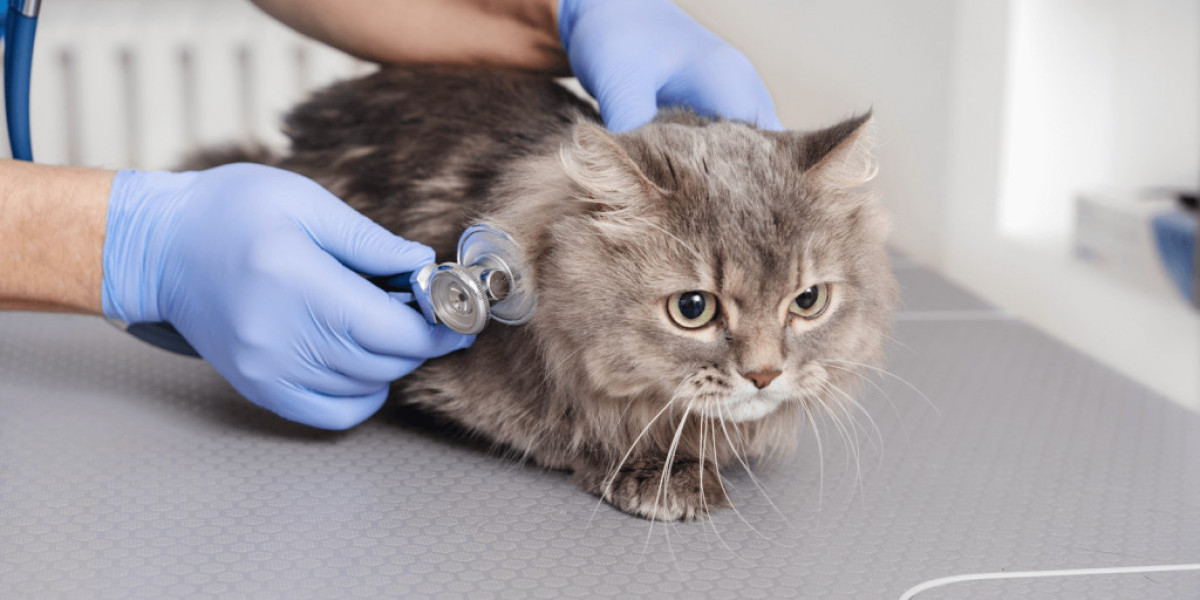

Cats are creatures of quiet devotion. They arrange themselves around the rhythms of your daily life, occupying specific chairs, specific patches of sunlight, specific spots on the bed, with a consistency that becomes part of the architecture of your home. When a cat who has been that kind of constant presence begins to decline seriously, the thought of their final experience is one that most owners hold with profound care. For those families, understanding in-home cat euthanasia as an available and deeply compassionate option can transform the end-of-life experience from something they dread into something they approach with intention and love. This guide explains exactly how the process works, why it matters so much specifically for cats, what conditions most often lead families to this choice, and what support is available throughout the journey.
Why In Home Euthanasia Matters Specifically for Cats
Of all domestic animals, cats are perhaps the most acutely sensitive to environmental disruption. Their nervous systems and their behavioral patterns are built around the familiarity of a stable home environment. When that environment is suddenly changed, particularly when the cat is already unwell, the stress response can be significant and visible.
A cat placed in a carrier and transported to a clinic for the final appointment must endure confinement, motion, unfamiliar sounds, and the overwhelming sensory environment of a veterinary waiting room, all while their body and immune system are already severely compromised. This is not a neutral experience. It is an experience of genuine fear and distress, imposed at the very moment when what the cat most needs is the safety and comfort they have always known.
In-home cat euthanasia removes all of that. Your cat can be in the chair they have slept in for twelve years, on the heated blanket they have claimed as their own, or in your arms in the room where they have always felt most at ease. The environment around them communicates the same safety it always has. That continuity is one of the most profound and protective gifts you can give a seriously ill cat.
Recognizing When the Time Has Come
Because cats instinctively mask discomfort and illness, evaluating quality of life honestly requires active attention and structured tools rather than simply waiting for obvious signs.
The quality of life scale at Paws at Peace evaluates your cat across pain, appetite, hydration, hygiene, happiness, and mobility in a scored format. Using it regularly over several weeks creates a trend that is far more informative than any single day's snapshot.
A daily quality of life diary assigning your cat a good or bad day each day provides a complementary pattern over time. When bad days significantly and consistently outnumber good ones and available treatments cannot restore meaningful comfort, the pattern is telling you something honest and important.
Quality of life teleconsults with experienced end-of-life veterinarians are available through Paws at Peace for families who want personalized guidance through this process.
Signs That Quality of Life Has Been Seriously Compromised
Persistent refusal to eat despite all available interventions, extended hiding in a previously social cat, labored breathing at rest, complete cessation of grooming, consistent inability to reach or use the litter box independently, and profound withdrawal from interaction are all meaningful indicators that quality of life has been significantly and consistently compromised.
Conditions That Most Often Lead Families to In Home Cat Euthanasia
Chronic kidney disease in cats is the most common reason families seek to put a cat to sleep at home. Advanced stages bring persistent nausea, severe weight loss, and a deterioration that supportive care can only partially address.
Hypertrophic cardiomyopathy, saddle thrombus, pleural effusion, large cell lymphoma, feline leukemia virus, feline infectious peritonitis, oral tumors in cats, congestive heart failure in cats, small cell lymphoma in cats, and diabetes in cats that has become unmanageable all follow trajectories that can reach a point where cat euthanasia at home is the most compassionate available response.
What the Appointment Involves
A care coordinator at Paws at Peace discusses your cat's specific needs when you schedule. For particularly anxious cats, a prescription sedative can often be provided ahead of the appointment for you to give at home before the veterinarian arrives.
The veterinarian settles into the space on arrival before anything clinical begins. A sedative is administered, and your cat drifts into a deeply relaxed and sleep-like state within minutes. Once fully sedated, the final medication is given and your cat passes peacefully without awareness or fear. The veterinarian confirms the passing quietly. Your family has as much time as needed in your own space.
Aftercare and Grief Support
Paws at Peace coordinates cremation and can advise on private burial. Reading about what you need to know before burying a pet provides important guidance for families in New York. Pet loss grief counseling is available through a specialist counselor and provides dedicated support through the grief that follows cat euthanasia at home.
Frequently Asked Questions
Q: Why is in-home cat euthanasia particularly important for cats compared to other pets?
A: Cats are more acutely sensitive to environmental change than almost any other domestic animal. Removing a seriously ill cat from their home and placing them in a clinical setting introduces significant and unnecessary distress. In home cat euthanasia ensures your cat's final experience is one of familiarity and safety rather than fear.
Q: Can a sedative be provided ahead of the appointment for my anxious cat?
A: Yes. For cats who are particularly anxious, Paws at Peace can often provide a prescription sedative ahead of the appointment for you to administer at home before the veterinarian arrives. This ensures your cat is already calm and comfortable when the clinical portion of the visit begins.
Q: What does cat euthanasia at home feel like for the cat during the process?
A: The process begins with a sedative that brings your cat into a deeply relaxed and completely comfortable state before anything else is administered. Once fully sedated, your cat is entirely unaware of the final medication being given. The experience is painless and peaceful from beginning to end with no distress whatsoever.
Q: How do I prepare my home for an in-home cat euthanasia appointment?
A: Choose the spot in your home where your cat is most comfortable and at ease. Ensure the space is warm, quiet, and has familiar elements your cat associates with comfort and safety. Let the people you want present know to arrive early so everyone is settled and calm before the veterinarian arrives.
Q: What grief support is available after putting the cat to sleep at home services?
A: Paws at Peace offers dedicated pet loss grief counseling through a trained counselor specializing in animal loss. Sessions are available individually or in structured packages and are always gentle, non-judgmental, and focused on helping you and your family heal at whatever pace feels most right and natural.