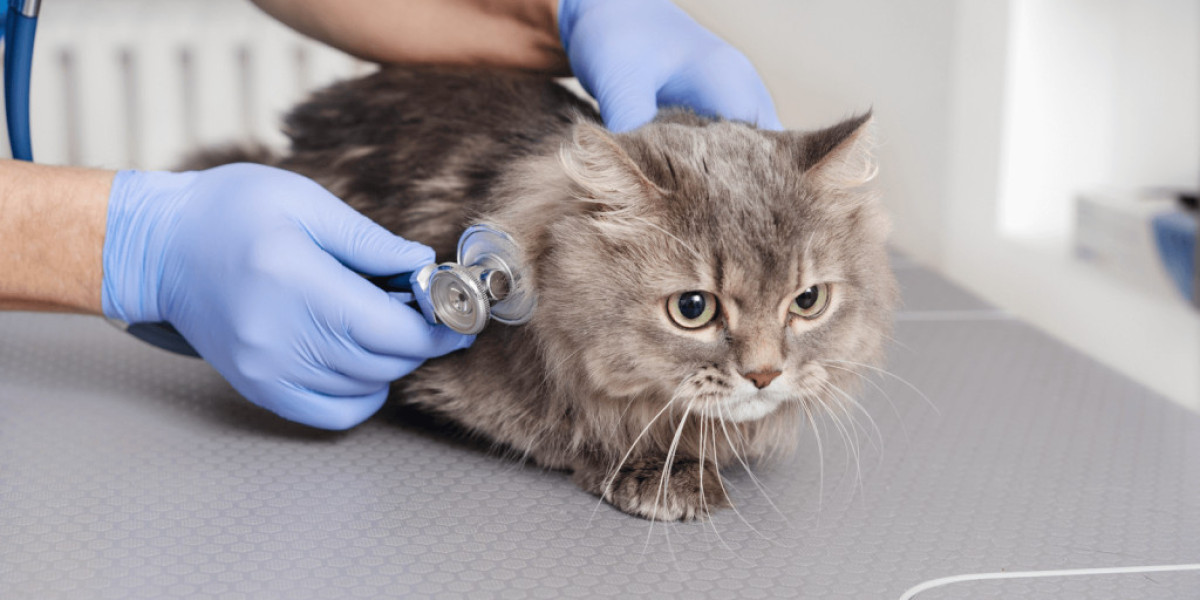

The cost of veterinary emergency care is one of the most significant barriers pet owners face when their animal needs urgent medical attention, and the emotional weight of that financial reality in the middle of a crisis can lead to decisions that compromise both the pet's welfare and the owner's peace of mind. The assumption that cheap pet emergency care necessarily means poor quality care is understandable but often inaccurate. The factors that make emergency care expensive are real and legitimate, but they do not mean that financial constraints automatically prevent access to appropriate and effective treatment. This guide covers every practical strategy for reducing the cost of emergency veterinary care without reducing the quality of what your pet receives, and explains why the financial groundwork laid before any emergency is the most effective cost management strategy available.
Understanding Why Emergency Veterinary Care Costs What It Does
The Operational Reality of After Hours Care
Before identifying strategies for reducing costs, understanding what drives them produces more effective navigation of the options available. Emergency veterinary care is more expensive than routine daytime appointments for reasons that are genuinely operational rather than arbitrary.
Running a clinical facility around the clock requires staff who are compensated appropriately for overnight and weekend shifts that compete with the normal human sleep schedule and personal time. The wages appropriate for veterinarians and technicians willing to work overnight shifts reflect that competition. Maintaining diagnostic equipment in continuous operational readiness, stocking complete emergency medication inventories and sustaining the facility infrastructure required for critical care all add costs that a nine to five practice does not carry proportionally.
This does not mean that all emergency care prices are equally justified or that cost variation between emergency facilities does not exist. It means that the baseline cost of genuine overnight emergency veterinary care reflects real operational factors and that understanding this prevents misdirected frustration at pricing that seems high compared to routine care.
Financial Preparation That Changes Everything
Pet Insurance as the Foundation
Pet insurance is the single most effective tool for managing the financial impact of emergency veterinary care and it must be established before any emergency occurs to be useful during one. Pre-existing conditions are excluded from coverage by virtually all policies which means that the policy value is highest when it is started while a pet is young and healthy.
Comprehensive policies vary in their premiums, deductibles, reimbursement percentages and exclusions. Understanding these variables and selecting a policy appropriate to your pet's age, breed, likely health risks and your financial capacity requires some research but produces genuinely meaningful financial protection when the coverage is in place at the moment an emergency occurs. Many comprehensive policies reimburse 70 to 90 percent of covered emergency treatment costs after the deductible, which transforms a potentially unmanageable bill into a manageable out of pocket expense.
Dedicated Savings Accounts
A dedicated savings account for pet health expenses that receives consistent monthly contributions is a straightforward and reliable alternative or complement to pet insurance. Even relatively modest monthly contributions accumulate a meaningful buffer over months to years and the knowledge that the buffer exists removes financial uncertainty from emergency decision making. A pet owner who has a thousand dollars in a dedicated pet health savings account faces an emergency visit with a fundamentally different level of confidence than one who is relying entirely on whatever is in their checking account that week.
Veterinary Financing and Payment Plans
Programs Designed for Veterinary Expenses
CareCredit and Scratchpay are the two most widely used veterinary financing programs. Both are accepted at a large number of veterinary practices including many emergency facilities and both provide credit specifically for healthcare expenses including veterinary care. The application process for both can be completed online in minutes and approval decisions are typically rapid.
CareCredit frequently offers promotional interest free periods of six to twelve months for qualifying transaction amounts, meaning the full cost of an emergency visit can be repaid over that period without interest charges if the balance is cleared within the promotional window. Scratchpay offers installment plans with fixed monthly payments and transparent fee structures that make the total cost of financing clear upfront.
Applying for and being approved for one or both of these programs before any emergency occurs means they are available for immediate use during a crisis without requiring the additional step and delay of completing an application while your pet is in distress.
Direct Practice Payment Plans
Many veterinary practices including emergency facilities offer payment plan arrangements directly with clients, particularly for established clients with a history at the practice or in situations of genuine financial hardship. These arrangements are not always widely advertised but are often available when the conversation is initiated honestly and early.
The key is to communicate your financial situation to the emergency team as early in the visit as possible rather than at the point when the bill is presented. Bringing up financial constraints while the treatment plan is still being developed allows the team to discuss which elements of the plan are immediately essential versus which could be addressed in a follow up appointment, and to identify which payment flexibility options are available to you before commitments are made.
The table below outlines the main financial options available for accessing low cost pet care in emergency situations.
Financial Option | How It Works | Best For |
Pet Insurance | Monthly premium, reimbursement after deductible | Broad ongoing protection, must be established before illness |
Dedicated Savings Account | Monthly contributions, self managed | Flexibility without coverage exclusions |
CareCredit | Credit line for healthcare expenses, interest free promotional periods | Immediate use when approved, best with cleared balance in promo period |
Scratchpay | Installment plans with fixed monthly payments | Predictable repayment structure |
Practice Payment Plans | Direct arrangement with the clinic | When clinics offer this, often for established clients |
Nonprofit Assistance Funds | Application based grants or assistance | Financial hardship situations, application required |
Nonprofit Organizations That Provide Financial Assistance
Finding Help That Exists
A range of nonprofit organizations provide financial assistance specifically for veterinary expenses to qualifying pet owners in genuine financial hardship. These organizations have different eligibility criteria, application processes, funding limitations and areas of focus. Some focus on specific diseases. Others focus on specific species or specific geographic areas. None of them are unlimited in their resources so applying promptly is important when an emergency creates the need.
Organizations including the Brown Dog Foundation, RedRover Relief, the Pet Fund, the Frankie Fund and the Shakespeare Animal Fund each serve different populations of need. The ASPCA and Humane Society maintain lists of additional local and regional resources that may be available in your specific geographic area. Researching which of these organizations are relevant to your circumstances before any emergency occurs means you can act on that knowledge quickly when time pressure makes the research difficult.
Acting Quickly to Reduce Treatment Costs
Why Prompt Care Is a Financial Strategy
One of the most counterintuitive aspects of emergency veterinary costs is that prompt care is often less expensive than delayed care for the same condition. This is because conditions that are treated at early presentation require less intensive intervention than the same conditions treated after they have progressed.
A urinary obstruction in a male cat treated within hours of first symptoms typically requires catheterization and a day or two of hospitalization. The same obstruction treated after 36 to 48 hours of progression may require more intensive treatment, longer hospitalization and management of secondary kidney damage that adds significantly to both cost and recovery complexity. A dog with a wound treated the night it occurs requires cleaning, irrigation and possibly suturing. A wound that has been allowed to develop into an abscess over several days requires surgical drainage and more extensive antibiotic treatment.
Our article on the impact of delayed emergency care makes this financial and clinical argument clearly and specifically. Acting quickly when a situation is genuinely urgent is both clinically correct and financially sound when the alternative is allowing a manageable condition to progress to one that requires significantly more intensive management.
Conclusion
Cheap pet emergency care that does not compromise quality is genuinely achievable through a combination of financial preparation before any emergency occurs, knowledge of the financing and assistance options available during one and prompt action when a clinical situation warrants it. The foundation of this approach is established before any emergency through insurance, savings and familiarity with payment options. The execution happens in the moment through honest early communication with the emergency team about financial constraints.
At North MS Pet Emergency, we are committed to helping pet owners access appropriate care for their animals and we encourage open conversations about financial options from the earliest point in any emergency visit. If your pet needs emergency care right now, contact us immediately and we will work with you on the care your pet needs.
FAQs
Q: Is cheap pet emergency care actually available without sacrificing the quality of treatment?
A: Yes. Payment plans, veterinary financing programs and pet insurance all make quality emergency care financially accessible without requiring full payment at the time of service. Quality of care at emergency facilities is determined by clinical standards rather than what individual clients pay, and the same treatments are available regardless of financing method.
Q: What is the most effective preparation for managing low cost pet care in an emergency?
A: Pet insurance started while your pet is young and healthy provides the most comprehensive financial protection for unexpected emergency costs. Supplementing this with a dedicated pet health savings account and advance application for CareCredit or Scratchpay creates a layered financial safety net that covers virtually any emergency care cost scenario.
Q: How do nonprofit organizations help with pet emergency care costs?
A: Nonprofit organizations including the Brown Dog Foundation, RedRover Relief and the Pet Fund provide financial assistance grants to qualifying pet owners in genuine hardship situations. Each organization has its own eligibility criteria and application process. Researching relevant organizations before any emergency occurs allows faster access to these resources when they are needed.
Q: Should I tell the emergency vet about my financial situation at the start of the visit?
A: Yes, as early as possible. Communicating financial constraints before the treatment plan is finalized rather than after the bill is presented allows the clinical team to discuss which elements are immediately essential, identify applicable payment options and develop a treatment approach that serves your pet well within realistic financial parameters.
Q: Does acting quickly in a pets emergency actually reduce the overall cost of care?
A: Yes, in most cases. Conditions treated at early presentation consistently require less intensive intervention than the same conditions treated after progression. A urinary blockage, wound infection or toxic ingestion all cost significantly less to manage when treated promptly than when treatment begins after the condition has advanced due to delay.