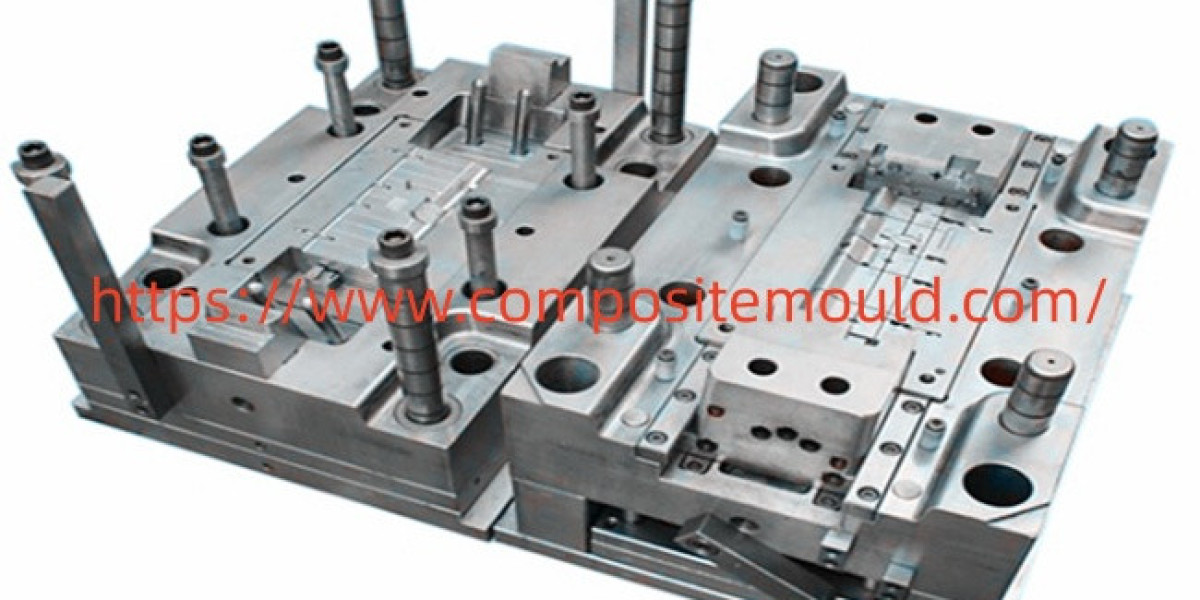

SMC Mould purchasing involves several decisions that can influence product development, manufacturing schedules, and long-term production costs. For international buyers, selecting a tooling manufacturer is not simply a matter of comparing quotations. It also requires an understanding of engineering communication, production arrangements, manufacturing procedures, and quality responsibilities. A clear evaluation process helps purchasing teams identify whether a proposed solution matches their product requirements and factory conditions.
Check Whether the Supplier Understands Your Product Application
Before discussing tooling prices, buyers should explain how the finished component will be used. Different applications may involve different requirements for mechanical strength, electrical insulation, dimensional stability, appearance, and environmental resistance.
For example, an automotive component may require accurate mounting positions and consistent surface appearance, while an electrical enclosure may involve specific insulation and structural requirements. These differences can influence the tooling structure and inspection plan.
Buyers should prepare product drawings, three-dimensional files, application descriptions, and available technical specifications. If the component has special functional areas, these should be clearly marked. Providing this information allows the manufacturer to evaluate the project with a better understanding of its intended purpose.
Evaluate the Manufacturer's Engineering Communication
Technical communication is an important part of a custom tooling project. Buyers should consider whether the manufacturer can explain design proposals in a clear and practical way.
During the initial discussion, ask how the engineering team reviews product geometry, identifies possible manufacturing difficulties, and handles design changes. It is also useful to clarify how drawing revisions will be recorded and approved.
A structured design review can help identify potential problems before machining begins. If a product contains complicated curves, deep sections, narrow edges, or multiple connection points, these details should receive appropriate attention during planning.
Buyers should also confirm who will handle technical questions and how progress information will be shared. Clear communication can help international projects move through different approval stages with fewer misunderstandings.
Review the Manufacturing Process and Inspection Arrangements
A supplier evaluation should include the actual manufacturing workflow. Buyers can ask about material preparation, machining arrangements, surface finishing, component fitting, assembly, and dimensional inspection.
It is useful to understand how key dimensions are checked during production rather than waiting until the tooling is completed. Inspection records can provide information about machining accuracy and whether important requirements have been followed.
Surface treatment also deserves attention. The required finish should be discussed according to the appearance of the finished component and its intended application. Buyers can provide reference samples, surface descriptions, or visual requirements to make expectations easier to communicate.
When evaluating a manufacturer, ask how nonconforming parts or unexpected machining issues are handled. A defined inspection and correction procedure helps both parties understand their responsibilities during manufacturing.
Confirm Compatibility With the Production Site
Tooling should be planned around the equipment and operating conditions at the buyer's factory. Before approving a design, provide information about the intended press, available working space, mounting dimensions, heating connections, and other relevant equipment details.
Buyers should also explain their expected production quantities and manufacturing schedule. These details help the supplier consider the intended operating frequency and the practical requirements of the project.
If the factory uses several production machines, confirm whether the tooling needs to accommodate more than one setup. Installation procedures, lifting arrangements, connection points, and operator access should also be discussed before delivery.
This review can reduce the possibility of receiving tooling that requires unexpected equipment changes or additional installation work.
Set Clear Standards for Trial Production
Trial production provides an opportunity to evaluate the tooling under representative operating conditions. Buyers should agree on the trial plan before the project reaches this stage.
The plan can specify sample quantities, dimensional inspection items, appearance requirements, functional checks, and approval responsibilities. It should also explain how problems will be documented and how adjustments will be reviewed.
Rather than relying only on one sample, buyers can request several samples from the agreed trial process to examine consistency. Depending on the component, inspection may include critical dimensions, surface condition, flash, deformation, and assembly compatibility.
It is also helpful to establish a written sample approval procedure. Both parties should know which results are acceptable and what actions are required if a sample does not meet the agreed specifications.
Examine Delivery Details and After-Sales Arrangements
Before confirming an order, buyers should review the delivery scope carefully. The agreement can identify tooling components, accessories, technical documents, inspection records, packaging requirements, and transportation responsibilities.
For international shipments, packaging should be discussed according to the tooling dimensions, weight, transportation method, and storage conditions. Buyers should also clarify the expected delivery schedule and the procedure for handling changes to the project timeline.
After delivery, maintenance arrangements become relevant to ongoing production. Ask whether the manufacturer can provide cleaning recommendations, inspection guidance, replacement component information, and technical assistance when maintenance questions arise.
It is useful to keep approved drawings, revision records, trial reports, and maintenance information together. These documents can support future repairs, production changes, and communication between purchasing and engineering teams.
Compare the Complete Project Proposal
A tooling quotation should be evaluated alongside its technical scope. Buyers can compare design responsibilities, manufacturing procedures, inspection arrangements, trial support, delivery terms, and after-sales services.
If two proposals have different scopes, comparing their prices alone may not provide a clear picture of the actual project requirements. Ask each supplier to identify included work, optional services, additional costs, and conditions that may affect the schedule.For manufacturers working with international customers, clear documentation and timely technical communication can also support cooperation across different production stages.When preparing a custom project, compositemould can be considered as a manufacturing partner for discussing product drawings, technical specifications, tooling requirements, and delivery expectations. Buyers interested in reviewing available product information can visit https://www.compositemould.com/product/ and contact the team with their project details to begin a focused technical discussion.