
Household cleaning is a regular part of maintaining a comfortable living environment. Families use water to wash floors, clean kitchen surfaces, rinse clothes, scrub bathrooms, and remove dirt from everyday items. However, the quality of water can influence how convenient these tasks are. Hard water, sediment, and certain substances may leave deposits, affect cleaning results, or increase the effort needed to maintain household surfaces.
Better water management can help homeowners understand these issues and choose suitable ways to address them. A practical approach begins with identifying water quality concerns and selecting treatment methods that match the needs of the property.
How Water Quality Influences Cleaning
Water is involved in almost every household cleaning activity. Its mineral content and level of suspended particles can influence how it interacts with detergents, soaps, and cleaning products.
Hard water contains calcium and magnesium, which can reduce soap lather and contribute to residue on surfaces. Mineral deposits may appear on taps, shower screens, sinks, and bathroom tiles. These marks often require repeated cleaning to keep fixtures looking presentable.
Sediment can also affect water appearance and may leave particles on surfaces during washing. Understanding the source of these problems helps homeowners decide whether treatment is necessary.
Understanding the Effects of Hard Water
Hard water can make some cleaning activities more difficult. Soap and detergent may not work as effectively, and mineral residue can collect on household fixtures. Clothes washed in hard water may sometimes feel less soft, while glassware can develop cloudy marks.
These effects vary according to the hardness level and the cleaning products being used. Homeowners should check water hardness before choosing equipment or changing their cleaning routine.
A conventional water softening system can reduce calcium and magnesium through an ion exchange process. This may help limit scale formation and improve convenience during certain washing and cleaning tasks.
The Role of Ultrafiltration
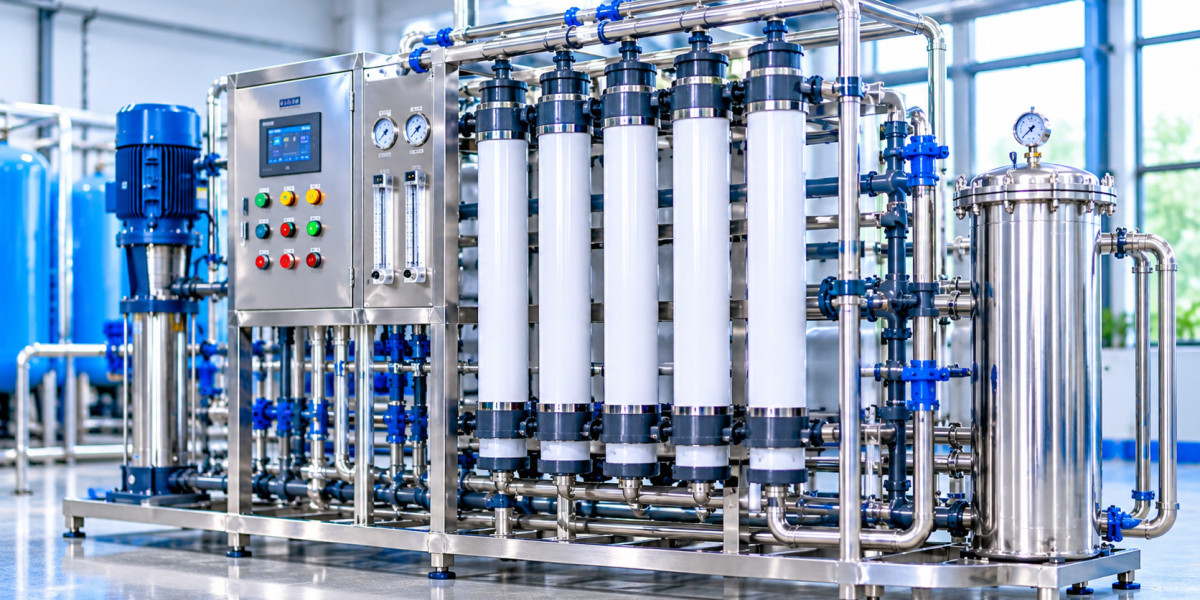
Ultrafiltration is a membrane-based process that uses a fine barrier to separate suspended particles and certain larger substances from water. It can help reduce turbidity and improve water clarity, depending on the membrane design and incoming water conditions.
UF Systems may be useful when suspended impurities are a concern. They can form part of a wider treatment arrangement where water needs to pass through different filtration stages before use.
However, ultrafiltration does not remove all dissolved minerals. It is not designed to replace a water softener when hardness is the main problem. Understanding this difference helps homeowners select equipment according to the actual condition of their water.
Choosing Suitable Filters for Household Needs
Different filters are designed for different purposes. Sediment filters capture particles such as sand, rust, and silt. Activated carbon filters may reduce chlorine and certain substances that influence taste and odor. Membrane systems provide additional separation capabilities depending on their design.
Before choosing a filter, homeowners should consider the source of water, the impurities identified through testing, and the amount of water required each day.
It is also important to review replacement costs and maintenance requirements. A filter that is difficult to service or has expensive replacement parts may become inconvenient over time.
Protecting Cleaning Equipment and Plumbing
Water quality can affect washing machines, dishwashers, water heaters, and other household equipment. Mineral deposits may collect inside appliances, while sediment can block filters or restrict water flow.
Regular maintenance helps reduce these problems. Homeowners should clean appliance filters, follow manufacturer instructions, and arrange descaling when recommended. Taps and showerheads should also be checked for mineral buildup.
Suitable water treatment may reduce certain deposits, but it does not eliminate the need for appliance care. A combination of appropriate treatment and routine maintenance is generally more practical.
Maintaining Clean Water Storage
Many households use storage tanks to manage their water supply. If tanks are not maintained properly, sediment and other unwanted materials may collect inside them.
Storage tanks should remain covered and be cleaned according to local guidance and the condition of the supply. Their connections and surrounding areas should also be inspected for damage or possible contamination.
A treatment system cannot maintain water quality if storage and distribution arrangements are neglected. Clean tanks and properly maintained pipes are therefore important parts of household water management.
Developing a Simple Water Maintenance Routine
Homeowners can make water management easier by following a basic routine. This may include checking taps for deposits, inspecting visible plumbing, replacing filters on schedule, and monitoring changes in water pressure or appearance.
It is useful to keep a record of servicing dates and replacement components. This reduces the chance of missing important maintenance tasks.
If water quality changes suddenly, homeowners should investigate the source and arrange suitable testing rather than making assumptions.
Making Everyday Cleaning More Convenient
Better water management can support household cleaning by addressing specific issues such as hardness, sediment, and unwanted particles. The most suitable solution depends on the incoming supply and the tasks that require treated water. With appropriate filtration, clean storage, and regular maintenance, families can make household cleaning more manageable and protect the equipment they use every day.