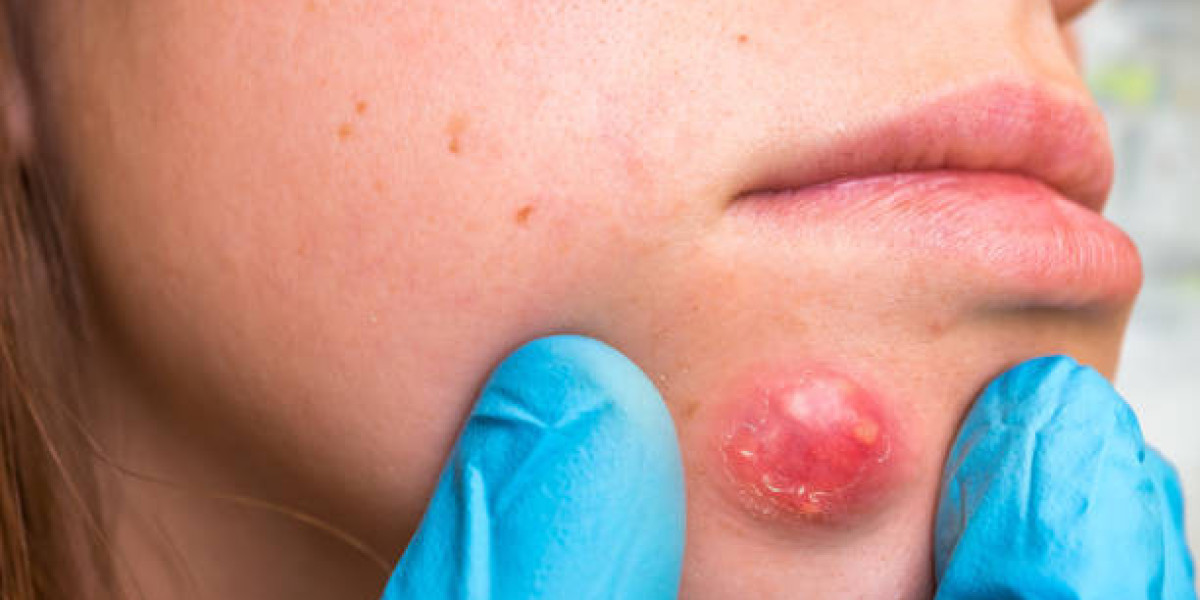

A small lump on the earlobe can develop for several reasons, including blocked skin cells, inflammation, or a cyst beneath the surface. Although these lumps are often harmless, their location can make them noticeable, particularly when wearing earrings or touching the area. Understanding how Sebaceous cyst removal in Riyadh (إزالة الكيس الدهني في الرياض) may help address a persistent earlobe lump begins with identifying its cause, size, and condition. A proper medical assessment can help determine whether the lump is a cyst or another type of skin growth and whether treatment is necessary.
Yes, a sebaceous cyst can develop on the earlobe, and it may appear as a smooth, round lump beneath the skin. The term sebaceous cyst is commonly used to describe an epidermoid cyst, which forms when skin cells become trapped beneath the skin and accumulate keratin. Earlobe cysts can sometimes develop near an old piercing or in an area that has experienced irritation. While many remain small and painless, others may become swollen, tender, or inflamed, making Sebaceous cyst removal in Riyadh an option to discuss with a qualified medical professional.
Why Do Sebaceous Cysts Develop on the Earlobe?
Epidermoid cysts develop when surface skin cells become trapped beneath the skin instead of shedding normally. These cells continue to produce keratin, gradually forming a sac-like structure that can be felt as a lump. Skin injuries, local irritation, and changes around a piercing may contribute to cyst formation in some cases, although a cyst can also develop without an obvious cause.
The earlobe is particularly noticeable because it is frequently exposed to earrings, piercing jewellery, and everyday contact. However, not every lump in this area is a cyst. Scar tissue, a keloid, an inflamed piercing, and other skin growths can look similar. A healthcare professional can examine the lump and recommend appropriate care based on its appearance and symptoms.
What Are the Common Signs of an Earlobe Cyst?
A cyst on the earlobe may develop gradually and remain unchanged for months or even years. Recognising its common features can help you decide when to seek an evaluation.
A round or oval lump beneath the skin.
A smooth surface that may move slightly when touched.
Little or no pain when the cyst is not inflamed.
Gradual enlargement over time.
Redness, tenderness, or swelling if irritation or inflammation develops.
Occasional discharge of thick, pale material if the cyst opens.
Not every cyst displays all these signs. A painful, rapidly enlarging, or unusually firm lump should be examined rather than assumed to be harmless.
Can Earlobe Cysts Develop After Ear Piercing?
Yes, a lump may appear near a piercing, but the cause is not always a cyst. Piercing-related lumps can develop because of irritation, infection, scar tissue, or a keloid. An epidermoid cyst may also form if skin cells become trapped beneath the surface during or after an injury.
A keloid is different from a cyst because it consists of excess scar tissue and may extend beyond the original piercing site. An infection may cause warmth, increasing pain, redness, and discharge. Correctly identifying the problem matters because each condition requires a different approach.
Avoid squeezing the lump, inserting objects into the piercing, or attempting to drain it at home. These actions can irritate the skin, introduce bacteria, and make the problem worse.
When Should You Consider Sebaceous Cyst Removal?
Not every earlobe cyst requires immediate treatment. If it is small, painless, and stable, a clinician may recommend monitoring it. Removal may be considered when the cyst grows, causes discomfort, repeatedly becomes inflamed, affects jewellery use, or creates a cosmetic concern.
Sebaceous cyst removal in Riyadh may involve a minor procedure in which a clinician removes the cyst and, when appropriate, its surrounding capsule. Removing the capsule helps reduce the chance of recurrence. The best technique depends on the cyst's size, location, condition, and proximity to a piercing or other sensitive structures.
If the cyst is acutely inflamed or infected, definitive removal may need to be postponed until the inflammation settles. In selected cases, a clinician may recommend drainage or other treatment first. Antibiotics are not routinely necessary for every cyst and are generally considered when a bacterial infection warrants them.
What Happens During Earlobe Cyst Removal?
The procedure usually begins with an examination to confirm the likely diagnosis and assess the lump. If removal is appropriate, local anaesthesia may be used to numb the area. The clinician then makes an incision suited to the cyst's size and location and carefully removes the cyst, ideally including its capsule.
Depending on the technique and wound size, stitches may be required. Some small wounds may be managed without them. The removed tissue may be sent for laboratory examination if the diagnosis is uncertain or the clinician considers histopathology appropriate.
Following the procedure, patients generally receive instructions about keeping the area clean, changing dressings if needed, and recognising possible complications. Healing time varies according to the procedure and individual factors. Follow-up may be recommended to check wound healing and discuss scar care.
How Can You Care for an Earlobe Cyst?
Good care can reduce irritation while you arrange an assessment or recover from treatment. Avoid repeatedly touching, squeezing, or puncturing the lump. If jewellery rubs against the area, avoid wearing it until the irritation has settled and a clinician has advised that it is safe.
After removal, follow the specific wound-care instructions provided by your healthcare professional. Do not apply unapproved creams or home remedies to a healing incision. Contact a clinician if redness spreads, pain worsens, swelling increases, pus develops, or you experience a fever.
Seek prompt medical assessment for a lump that grows quickly, bleeds without a clear reason, changes in appearance, or does not resemble a typical cyst. These features do not automatically indicate a serious condition, but they deserve proper evaluation.
Book a Consultation at Royal Clinic Saudia
If you have a persistent lump on your earlobe, a professional assessment can help establish its cause and determine the most suitable treatment. At Royal Clinic Saudia (عيادات رويال كلينك), you can discuss your concerns, the available removal techniques, expected healing, and ways to minimise scarring. Sebaceous cyst removal in Riyadh should be planned according to the individual cyst and your skin's needs, rather than relying on home drainage or a one-size-fits-all approach.
FAQs:
Can a sebaceous cyst develop on either earlobe?
Yes. A cyst can develop on either earlobe, including in areas without piercings. A lump near a piercing may also be scar tissue, a keloid, or inflammation, so an examination can help identify the cause.
Is an earlobe cyst dangerous?
Most epidermoid cysts are benign and do not cause serious problems. However, a cyst can become inflamed or infected, and some other conditions can resemble one. Rapid growth, persistent pain, bleeding, or changes in appearance should be evaluated.
Can an earlobe cyst disappear without treatment?
Some cysts remain stable for long periods, but an established cyst often does not disappear completely on its own. Avoid squeezing it or trying to drain it at home. A clinician can advise whether observation or removal is appropriate.
Can a cyst return after earlobe removal?
Yes, recurrence is possible, particularly if part of the cyst capsule remains. Complete removal when appropriate can reduce this risk, although no procedure can guarantee that a cyst will never return. Following aftercare instructions and attending recommended follow-up visits can support healing.