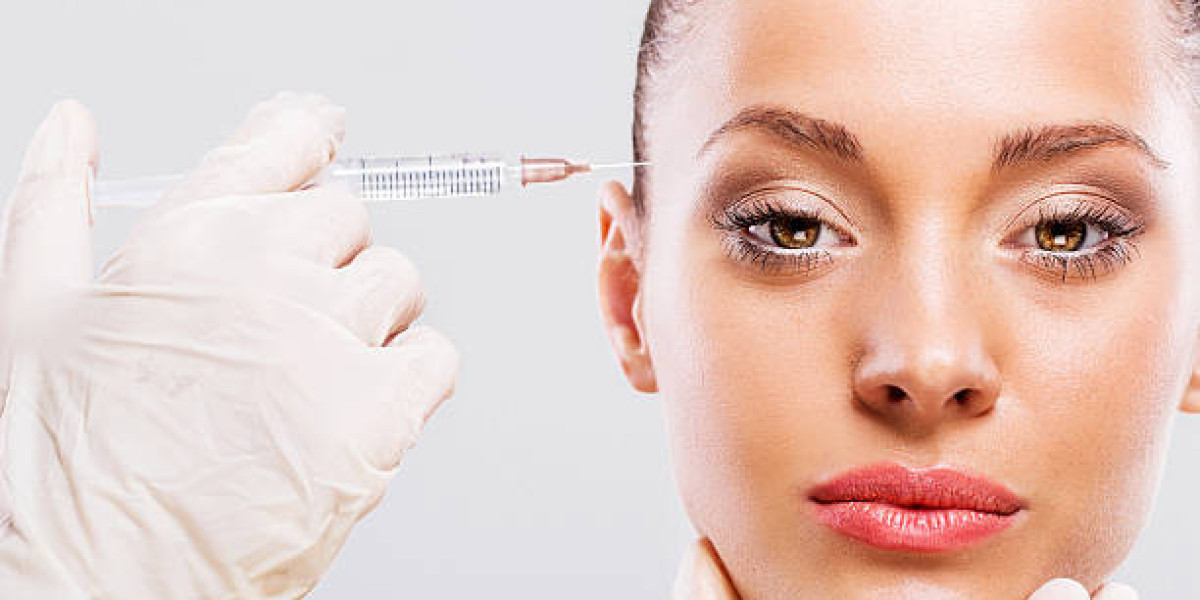

Uneven skin texture can make the face appear rough, dull, or less smooth, even when the skin is otherwise healthy. Enlarged pores, acne scars, fine lines, and sun damage are common factors that contribute to an irregular skin surface. Although gentle skincare can support skin health, more noticeable texture concerns may require professional treatment. Fractional CO2 Laser Treatment in Riyadh is one option for improving selected skin texture issues by resurfacing the skin and stimulating its natural collagen remodelling process.
This treatment uses controlled laser energy to create microscopic areas of injury in the skin, encouraging the body's repair response. As the skin heals, it may become smoother, and certain scars and fine lines may appear less prominent. However, the outcome depends on the cause of the uneven texture, the patient's skin type, and the intensity of treatment. Before considering Fractional CO2 Laser Treatment in Riyadh, it is important to understand how the procedure works, what recovery involves, and whether it is appropriate for your skin concerns.
What Causes Uneven Skin Texture?
Uneven skin texture can develop for several reasons, and identifying the underlying cause helps determine the most suitable treatment. Acne may leave depressed scars, while sun exposure and ageing can contribute to fine lines and roughness. Enlarged pores, accumulated dead skin cells, and certain inflammatory skin conditions may also affect the skin's appearance.
Some texture concerns are temporary and may improve with a suitable skincare routine, while deeper scars and established skin changes may require professional intervention. A skin assessment helps distinguish between these concerns and determines whether fractional CO2 laser resurfacing is likely to provide meaningful improvement.
How Does Fractional CO2 Laser Treatment Improve Skin Texture?
Fractional CO2 laser treatment is an ablative resurfacing procedure that delivers laser energy into small, targeted columns of tissue while leaving surrounding areas untreated. This approach encourages skin renewal while allowing the untreated tissue to support the healing process.
The treatment stimulates collagen remodelling, which may improve the appearance of selected scars, fine wrinkles, and rough skin. As the skin repairs itself, the surface may look more refined and feel smoother. Improvements develop gradually rather than appearing immediately because collagen remodelling continues after the initial healing period.
The procedure does not permanently eliminate every pore, scar, or irregularity. Results vary according to the type and depth of the texture concern, treatment settings, and individual healing response.
Which Skin Texture Concerns Can It Address?
Acne Scars and Depressed Areas
Acne scars can create indentations and irregularities that remain after active breakouts have resolved. Fractional CO2 laser treatment may improve selected depressed scars, particularly some boxcar and rolling scars, by stimulating collagen remodelling and softening their appearance.
Deep, narrow ice-pick scars may respond less predictably and can require a different or combined treatment approach. Your practitioner can assess the type of scarring and explain which improvements may be realistic.
Enlarged Pores
Pores may appear more prominent because of excess oil, reduced skin elasticity, and surrounding texture changes. Laser resurfacing may improve the overall appearance of the skin, making some pores look less noticeable. However, pores are natural structures, and treatment cannot permanently remove them.
A suitable skincare routine may help manage oiliness and support the results achieved through professional treatment.
Fine Lines and Rough Skin
Fine lines and roughness may develop as collagen levels decline and sun damage accumulates. Fractional CO2 laser treatment can encourage skin renewal and may soften selected fine lines while improving surface texture.
The extent of improvement depends on wrinkle depth and skin condition. Lines caused mainly by facial muscle movement may require another type of treatment to address their underlying cause.
What Happens During the Treatment?
Before Fractional CO2 Laser Treatment in Riyadh, the practitioner examines your skin, reviews your medical history, and discusses your concerns and expectations. They may ask about current skincare products, medications, previous cosmetic procedures, active acne, and any history of pigmentation changes or abnormal scarring.
The treatment area is cleansed, and a topical anaesthetic may be applied to improve comfort. Protective eyewear is used before the practitioner applies the laser using settings selected for your skin and treatment goals.
You may feel warmth, tingling, or a snapping sensation during the procedure. Afterward, the skin may appear red or swollen and feel warm or sensitive. The session duration depends on the size of the treatment area and the intensity of the procedure.
What Is the Recovery Process Like?
Recovery is an important part of Fractional CO2 Laser Treatment in Riyadh. Common temporary effects include redness, swelling, dryness, peeling, and tiny crusts. Initial healing often takes several days to around two weeks, although redness and sensitivity may last longer after more intensive treatments.
Follow your practitioner's instructions for cleansing and moisturising the treated skin. Avoid picking at crusts, rubbing the area, or using retinoids and strong exfoliating products until the skin has healed sufficiently. Introducing active ingredients too early can increase irritation and delay recovery.
Sun protection is essential because recently treated skin is more vulnerable to ultraviolet exposure and pigmentation changes. Ask your practitioner when it is safe to apply sunscreen, and use shade and protective clothing during early recovery.
Contact your practitioner if you develop worsening pain, spreading redness, pus, fever, or other symptoms that may indicate a complication.
Is Fractional CO2 Laser Treatment Suitable for All Skin Types?
Not every patient is an ideal candidate for fractional CO2 laser resurfacing. People with darker skin tones may have a higher risk of post-inflammatory hyperpigmentation, which can cause dark marks after treatment. Individuals with melasma or a history of pigmentation problems require careful assessment because inflammation may worsen these conditions.
Active skin infections, significant irritation, a tendency toward abnormal scarring, and certain medical conditions may also affect suitability. A qualified practitioner may recommend modified settings, a test spot, additional preparation, or another treatment option depending on the patient's risk factors.
A professional consultation helps determine whether the potential benefits outweigh the risks for your individual skin.
How Many Sessions Are Needed for Smoother Skin?
The number of sessions depends on the severity of the texture concern, the type of scarring, and the skin's response to treatment. Some patients may notice improvement after one session, while others may require multiple treatments spaced appropriately to allow healing.
Collagen remodelling continues over several weeks or months, so results may develop gradually. Fractional CO2 laser treatment generally aims to improve the appearance of uneven texture rather than create completely flawless skin. Your practitioner can recommend a treatment plan based on your skin's needs and realistic expectations.
How Can You Maintain Your Results?
Consistent skincare and sun protection can help maintain healthy-looking skin after resurfacing. Once your practitioner confirms that the skin has healed, use broad-spectrum sunscreen and avoid excessive sun exposure. A gentle cleanser and suitable moisturiser can help support the skin barrier.
Avoid restarting strong skincare ingredients until advised, and follow any recommended follow-up plan. Healthy daily habits may support skin health, but natural ageing and other factors can continue to influence texture over time.
Book Your Skin Consultation at Royal Clinic Saudia
If uneven skin texture is affecting your confidence, Royal Clinic Saudia can help you explore suitable treatment options. A professional consultation allows your practitioner to assess your skin concerns, skin type, and medical history before recommending an appropriate approach. Understanding the expected benefits, recovery requirements, and potential risks can help you make an informed decision about skin resurfacing.
FAQs:
Can fractional CO2 laser treatment improve uneven skin texture?
Yes, it may improve selected texture concerns, including certain acne scars, fine lines, and rough skin. The degree of improvement depends on the cause and severity of the uneven texture and the individual's healing response.
How long does it take to see smoother skin after fractional CO2 laser treatment?
Some improvements may become noticeable after the initial healing period, while collagen remodelling continues over several weeks or months. The timing varies according to treatment intensity and individual skin response.
Is fractional CO2 laser treatment suitable for enlarged pores?
It may improve the overall skin texture and make some pores appear less noticeable. However, pores are natural structures, and the treatment cannot permanently remove them.
Can fractional CO2 laser treatment cause pigmentation changes?
Yes, post-inflammatory hyperpigmentation or, less commonly, lighter patches can occur. The risk may be higher in people with darker skin tones or a history of pigmentation problems, so professional assessment and careful aftercare are important.