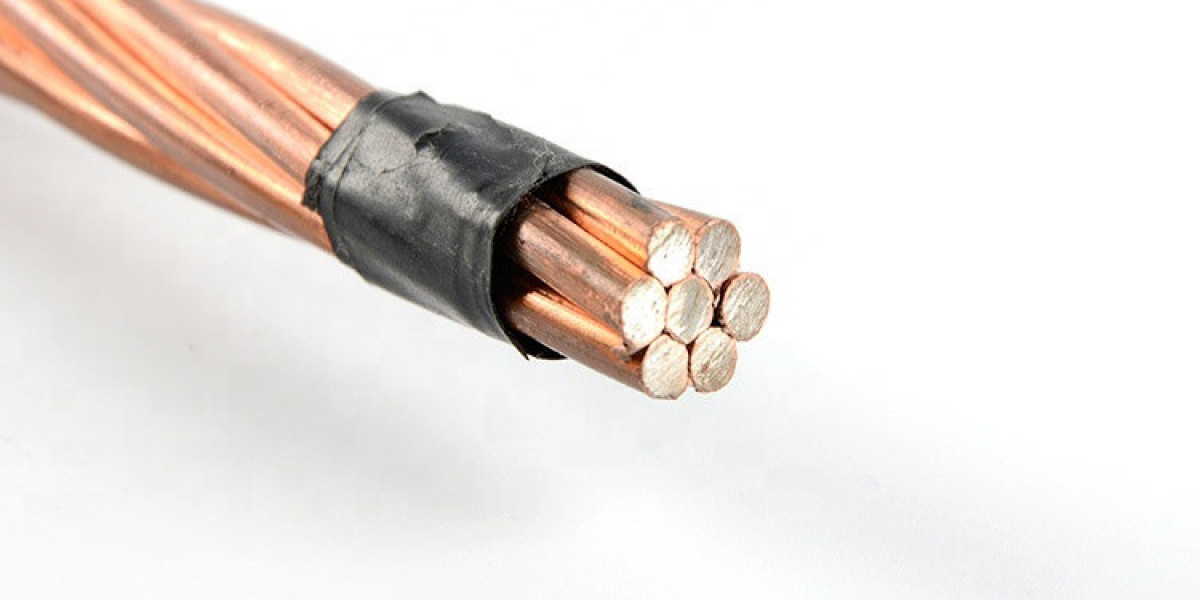

Choosing the right conductive material is essential for industrial projects that demand dependable electrical performance, mechanical strength, and long-term durability. Copper clad steel wire combines the electrical properties of copper with the strength of a steel core, making it a valuable solution for applications requiring both conductivity and structural reliability. HBNfpower is committed to providing quality wire products that support diverse engineering, telecommunications, grounding, and electrical infrastructure requirements.
Understanding the Advantages of Copper-Clad Steel Technology
Copper-clad steel is a composite material designed to combine two important properties in a single wire. The outer copper layer provides electrical conductivity and corrosion resistance, while the steel core contributes tensile strength and structural stability. This combination offers an effective alternative to materials that may not provide the same balance of electrical and mechanical performance.
HBNfpower focuses on solutions that help customers select suitable conductor materials according to their technical specifications and application requirements. By considering factors such as wire diameter, copper layer thickness, tensile strength, and electrical characteristics, buyers can identify products that align with their operational objectives.
For businesses seeking dependable materials for demanding environments, selecting an appropriate composite conductor can support efficient installation, reliable operation, and practical project planning.
Key Benefits of Copper Clad Steel Wire
Balanced Conductivity and Mechanical Strength
One of the primary advantages of copper clad steel wire is its combination of a conductive copper surface and a strong steel core. This construction can be particularly beneficial in applications where a conductor must withstand mechanical stress while maintaining suitable electrical characteristics.
Compared with solid copper wire of similar dimensions, copper-clad steel can offer greater tensile strength, although its electrical resistance is generally higher. This makes application-specific evaluation essential when selecting the right material.
Corrosion Resistance and Durability
The copper exterior helps protect the steel core when the wire is manufactured and installed according to appropriate specifications. Proper material selection, handling, and environmental assessment can contribute to dependable service performance.
HBNfpower helps customers explore wire solutions suited to their intended operating conditions, supporting informed purchasing decisions for industrial and infrastructure projects.
Practical Material Selection
Composite wire technology provides manufacturers, contractors, and engineering professionals with additional flexibility when choosing materials. Depending on the design and performance requirements, copper-clad steel may help balance strength, conductivity, and material costs.
The most suitable option depends on the application, required electrical performance, installation conditions, and applicable industry standards.
Applications Across Multiple Industries
Copper-clad steel products serve a range of specialized applications where a combination of conductivity and mechanical strength is valuable.
Grounding and earthing systems: Certain copper-clad steel conductors are used in grounding applications where mechanical strength and electrical performance must be considered together. Product suitability depends on electrical design, installation conditions, and relevant safety standards.
Telecommunications infrastructure: Composite conductors can support selected telecommunications applications, including grounding and other installations requiring suitable mechanical properties.
Electrical and industrial equipment: Manufacturers may use copper-clad steel in components where its material characteristics match the equipment's design requirements.
Specialized conductor manufacturing: Depending on construction and technical specifications, these wires may also be incorporated into specialized electrical products and industrial assemblies.
HBNfpower recognizes that every project has different requirements. Reviewing technical documentation and confirming product specifications before purchasing helps ensure that the selected material is appropriate for its intended use.
Why Choose HBNfpower for Wire Solutions?
Finding a reliable supplier is an important part of maintaining product consistency and project efficiency. HBNfpower focuses on serving customers who need practical electrical conductor solutions for commercial, industrial, and infrastructure applications.
By exploring the copper-clad steel product range offered by HBNfpower, buyers can evaluate available options according to their project requirements. Important considerations include wire dimensions, copper coating characteristics, mechanical properties, conductivity, manufacturing tolerances, and quality documentation.
A specification-focused purchasing process helps businesses compare suitable materials and communicate their requirements more effectively. HBNfpower provides a product-focused starting point for customers seeking conductor solutions tailored to particular technical applications.
Whether you are sourcing materials for telecommunications, grounding systems, or specialized industrial production, careful product evaluation can help improve purchasing confidence and support consistent project planning.
How to Select the Right Product
Before purchasing copper clad steel wire, buyers should define the intended application and identify the relevant technical requirements. Consider the following factors:
Wire diameter: Confirm the dimensions required by the equipment or installation.
Copper layer: Check the coating thickness and construction against the intended use.
Electrical properties: Evaluate resistivity, conductivity, and current-carrying requirements.
Mechanical performance: Review tensile strength, flexibility, and installation stresses.
Environmental conditions: Consider moisture, temperature, exposure, and corrosion risks.
Compliance requirements: Verify applicable standards and request relevant technical documentation.
These steps help customers make informed decisions while reducing the risk of selecting a material that does not meet project specifications.
Partner with HBNfpower for Your Conductor Requirements
Reliable electrical infrastructure begins with choosing materials that meet the demands of the application. Copper clad steel wire offers a useful combination of copper surface properties and steel-core strength for suitable industrial and electrical uses.
HBNfpower is a valuable destination for businesses exploring conductor products and comparing material options for their projects. By prioritizing technical specifications, application suitability, and product quality, customers can make more confident sourcing decisions.
Explore the copper-clad steel solutions available through HBNfpower and identify the product specifications that best match your operational needs. With a practical, requirements-driven approach to material selection, your business can move forward with greater confidence in its electrical and industrial projects.








