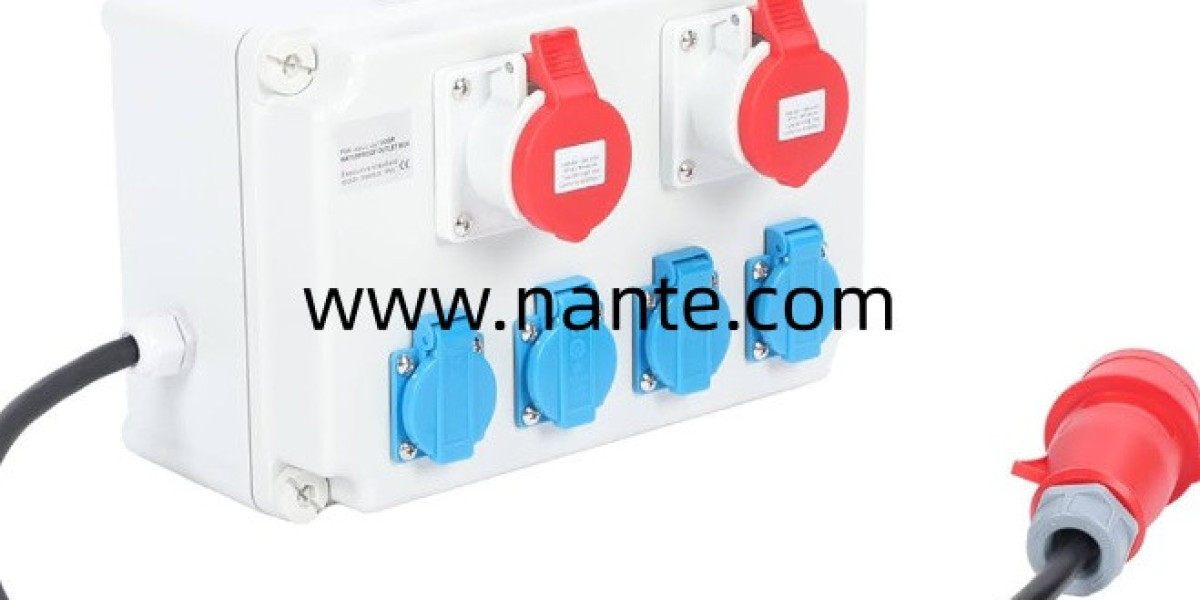

When work moves between locations, electrical power needs to remain organized, accessible, and suited to the conditions on site. A Portable Distribution Box from Nante offers a practical approach to arranging power connections for temporary installations, maintenance activities, workshops, and industrial operations. By bringing relevant electrical components together within a dedicated enclosure, this type of equipment can help project teams coordinate power distribution while keeping the working area easier to manage.
Temporary electrical arrangements often require flexibility. Construction activities, equipment servicing, outdoor events, and mobile workstations may need power access in places where permanent installations are unavailable or inconvenient. A portable enclosure can provide a designated point for connecting compatible equipment, helping workers organize cables and establish a clearer working layout. Its suitability depends on the electrical requirements, site conditions, and equipment involved in each application.
Mobility is useful when power distribution needs change throughout a project. Rather than treating every work area as an isolated installation, teams can assess where connections are required and plan the placement of suitable distribution equipment accordingly. Handles, mounting features, enclosure shape, and overall construction may influence how conveniently a unit can be transported and positioned. Buyers should evaluate these characteristics in relation to how the equipment will actually be used.
The enclosure itself plays an important role in the overall arrangement. Materials and structural features should be appropriate for the working environment, particularly where dust, moisture, impact, or changing weather conditions may affect electrical equipment. A product intended for indoor workshop use may have different protective characteristics from one designed for exposed locations. Checking the manufacturer's specifications helps buyers determine whether the enclosure matches the expected operating conditions.
Connection layout also deserves careful consideration. The arrangement of sockets, cable entries, switches, and protective devices can affect how easily workers interact with the equipment. Clear access to the relevant connections helps reduce unnecessary cable crossings and supports a more orderly workspace. Before purchasing, project planners should consider the type of equipment being connected, the required outlet configuration, and the available space around the distribution point.
Safety should guide every stage of selection and use. Electrical ratings, socket compatibility, grounding provisions, and protective devices must correspond with the intended application. Cables should be suitable for the environment and routed to avoid unnecessary strain, obstruction, or physical damage. When equipment is used outdoors or in demanding industrial conditions, its specified protection rating should be checked carefully rather than assumed from its appearance.
Ease of maintenance can influence long-term practicality as well. Electrical distribution equipment may need regular inspection, cleaning, testing, or servicing. A well-arranged enclosure can help authorized personnel identify relevant components and carry out required checks more systematically. Clear product documentation and accessible installation information also support communication between equipment operators, electrical contractors, and maintenance teams.
Different industries may approach portable power distribution in different ways. Construction crews may value convenient relocation between work zones, while maintenance departments may need organized connections for servicing machinery. Workshops can benefit from designated power points for movable tools, and temporary facilities may require an arrangement that can be adapted as operational needs evolve. In each case, the product should be selected according to the actual electrical load, environmental exposure, and usage requirements.
Purchasing decisions become more straightforward when teams establish their requirements before comparing available products. Evaluating construction, portability, connection arrangements, protective features, and installation instructions helps clarify whether an enclosure fits the task. This considered approach can reduce avoidable adjustments and support a more coordinated electrical setup.
Portable power arrangements are easier to manage when every connection has a clear purpose and a suitable place. Give your next project a practical starting point by visiting https://www.nante.com/product/ . Browse the product information, review the available configurations, and see which options deserve a closer look for your working environment.