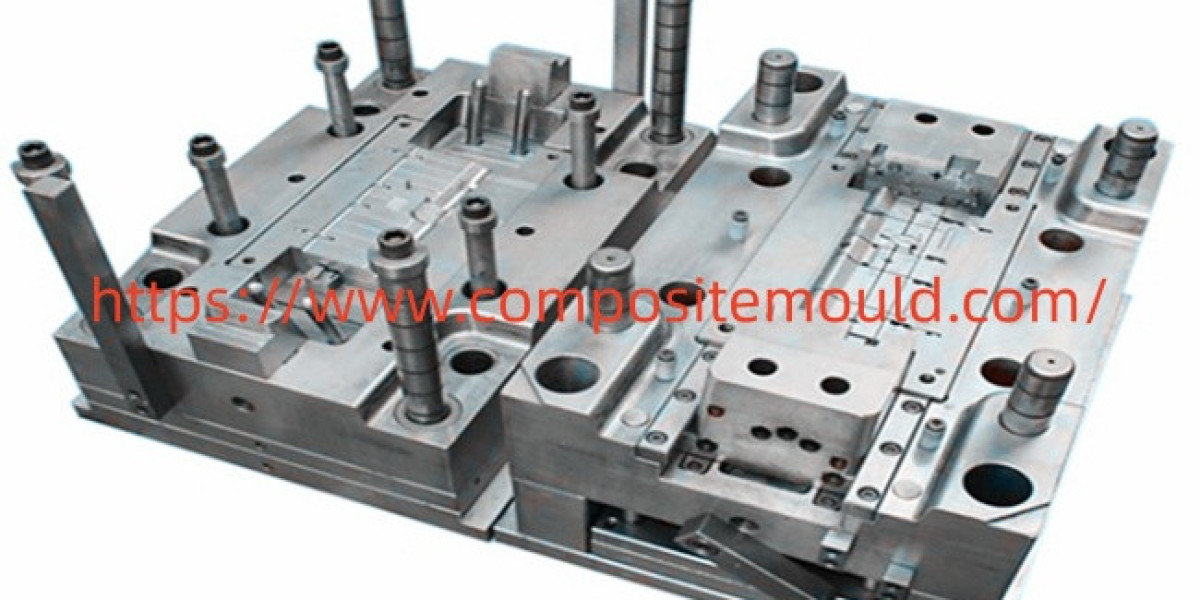

SMC Mould purchasing involves several decisions that can influence manufacturing preparation, product consistency, and long-term operating costs. Buyers need to consider how the tool will fit into their production workflow, how finished parts will be handled, and how project requirements will be checked. Preparing these details before requesting a quotation helps both parties establish a clear scope and discuss practical solutions for the intended application.
Start With the Actual Production Plan
Before discussing tooling specifications, define the role of the component in the finished product. Consider its dimensions, expected output, assembly method, appearance requirements, and working environment. These details help the manufacturer understand what the tool needs to achieve.
Production volume also matters. A project intended for regular manufacturing may require different arrangements for handling, maintenance access, and cycle planning than a short production run. Buyers should explain their expected output and planned production schedule rather than providing drawings alone.
If the component is still undergoing design changes, identify the features that have already been approved. This allows the technical team to distinguish confirmed requirements from items that may need further discussion.
Review Loading and Part Removal
The way material enters the cavity and the finished component leaves the tool can affect daily operation. Buyers should ask how operators will position the material charge, access the working area, and remove molded parts without damaging their edges or surfaces.
Complex shapes, recessed areas, and projecting features may influence the removal method. Where manual handling is expected, consider operator access and the space needed to work safely. For automated production, provide information about the planned loading equipment, removal mechanism, and available installation space.
These operational details are useful during early design discussions because they connect the tool layout with the actual production environment.
Clarify Material and Process Information
Provide the material grade, supplier information, and relevant processing recommendations before the design is finalized. Different formulations may have different processing requirements, so the tooling plan should reflect the material selected for the application.
Discuss charge dimensions, placement, curing conditions, and the production equipment that will be used. Ask the manufacturer which details need confirmation before fabrication and which process settings will be established during trial runs.
It is also helpful to identify any requirements related to inserts, threaded features, electrical components, or other parts incorporated into the finished product. Early clarification can help the engineering team assess these interfaces as part of the overall design.
Decide How the Finished Part Will Be Checked
A purchasing specification should explain how the molded component will be evaluated. Instead of relying on general descriptions, identify the dimensions, surface areas, and functional features that matter to your application.
For example, buyers may need to verify mounting-hole positions, edge dimensions, flatness, insert locations, or compatibility with connected parts. Provide the relevant tolerances and explain how the component will be measured.
Appearance requirements should also be defined where necessary. Reference samples, drawings, and written inspection criteria can help establish a shared understanding of acceptable results. Agreeing on these details before sampling gives the project team a clear basis for reviewing trial parts.
Establish Responsibilities for Sample Approval
Before the project begins, clarify who will arrange trial materials, operate the equipment, inspect samples, and approve the results. Buyers should know what information will be included in the trial report and how any identified issues will be handled.
If a sample requires adjustment, document the issue and agree on the next action. The change may involve the tool, the process settings, the material preparation, or the product specification. Keeping these possibilities separate helps the team investigate problems systematically.
Buyers should also confirm whether additional sampling is included in the agreed scope and how extra trials may affect the schedule or budget.
Examine Delivery and Cost Details
A quotation should describe the work and services covered by the proposed price. Check the scope of design work, machining, assembly, surface treatment, trial support, inspection records, packaging, and transportation.
Ask for an estimated schedule with clear project milestones. Drawing approval, material confirmation, tool fabrication, assembly, and sample evaluation may each require coordination. Understanding these stages helps buyers plan their own production preparations.
Also clarify how design revisions, additional samples, replacement components, and changes to the delivery arrangements will be managed. Written agreement on these points makes the purchasing process easier to coordinate.
Prepare for Long-Term Use
Tooling decisions should account for the period after delivery, when regular operation and maintenance become part of the production routine. Ask which areas require cleaning, how the tool should be stored when idle, and which components may need periodic inspection.
Buyers can also request maintenance instructions and information about suitable replacement parts. If future product revisions are possible, discuss how design updates could affect the existing tool and what technical information should be retained.compositemould can use your drawings, material details, equipment information, and production targets as a starting point for discussing a tooling project. To review available product information and share your requirements, visit https://www.compositemould.com/product/ and contact the manufacturer to discuss the next steps.