
Time Relay Producer selection requires buyers to evaluate product compatibility, manufacturing procedures, and communication before placing an order. For equipment manufacturers, electrical distributors, and industrial purchasing teams, a structured review can clarify technical expectations and reduce avoidable misunderstandings. The evaluation should cover application requirements, electrical ratings, inspection arrangements, and the supplier’s ability to follow documented specifications.
Define the Intended Application
Start by explaining how the component will operate inside the target equipment. Some applications require an output to activate after a delay, while others need a temporary output or a repeating control sequence. The correct function depends on the machine’s operating logic.
Buyers should identify the event that initiates the cycle, the expected output response, and what happens when the interval ends. If operators need several operating modes, explain how these settings will be selected and whether adjustments will occur during routine operation.
A short control diagram or written sequence can help the manufacturer understand the application. Providing this information early also makes it easier to identify questions before selecting a model or requesting a quotation.
Verify Electrical Compatibility
Electrical specifications should match the actual circuit. Confirm the rated supply voltage, AC or DC input, output contact arrangement, switching capacity, and connection method. These details affect whether the component can be integrated into the equipment as intended.
Load characteristics also deserve attention. Switching a resistive load can create different demands from controlling a motor, solenoid, or contactor coil. Buyers should identify relevant starting currents and inductive loads, then ask their engineering team to verify whether the proposed configuration is appropriate.
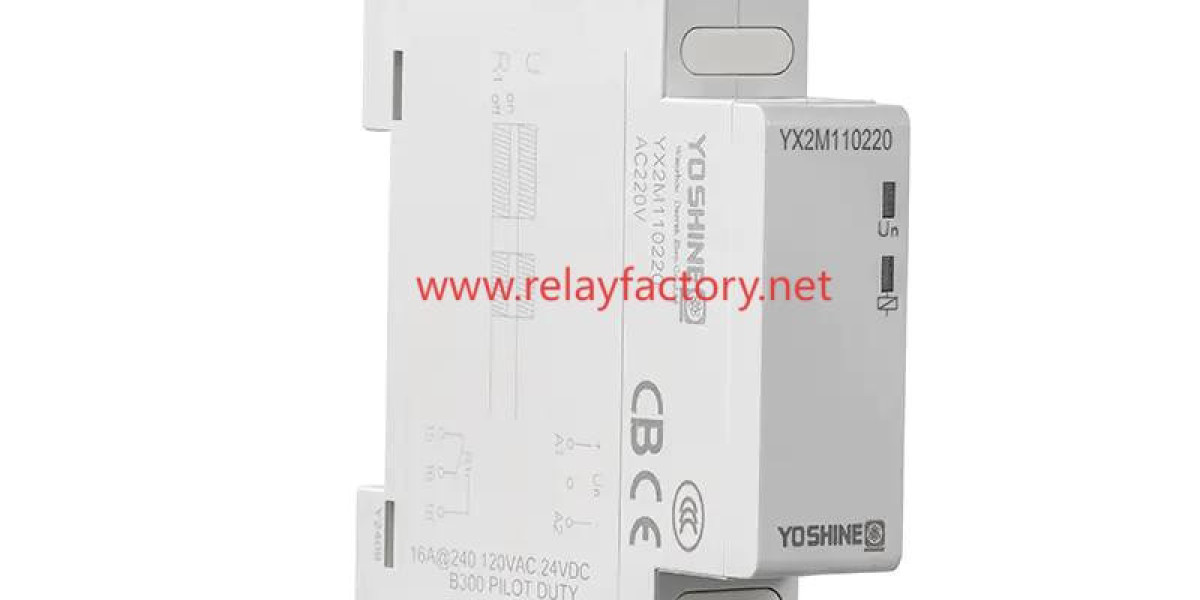
Installation requirements should be checked at the same stage. Review the mounting method, housing dimensions, terminal positions, wiring access, and available space inside the control cabinet. Confirming these details before ordering can help avoid fitting problems during assembly.
Compare Adjustment Options and Operating Conditions
The required delay range should reflect the actual process. Buyers can specify the minimum and maximum interval, the adjustment resolution, and whether operators need to change settings frequently.
The adjustment interface may affect maintenance and commissioning. Clear markings and accessible controls can make configuration easier for technicians. Buyers should also check whether the available operating functions match the intended control sequence rather than assuming that similar-looking models perform identically.
Environmental conditions can influence product selection as well. Temperature, vibration, dust, moisture, and electrical interference may be relevant depending on the installation. Sharing these conditions with the manufacturer helps establish which product specifications need closer review.
Review Samples and Technical Documents
A product datasheet should identify the model and relevant electrical and mechanical specifications. Buyers may also need wiring diagrams, installation instructions, product labels, and applicable compliance documents.
Check that each document matches the configuration being quoted. Differences in supply voltage, contact arrangement, or operating function can affect compatibility, even when product housings appear similar.
Where practical, request a sample for evaluation. Test it in a representative circuit and review the switching response, adjustment process, terminal access, and physical fit. Record the conditions under which testing takes place and document any issues clearly. Specific observations give the supplier a practical basis for reviewing the requirements.
Ask About Inspection and Configuration Control
Before placing a larger order, buyers should ask how the manufacturer checks products against agreed specifications. Depending on the design, inspection may include visual checks, electrical verification, timing operation, and output function.
It is also useful to establish how approved configurations are recorded. The reference information may include model numbers, electrical ratings, terminal arrangements, labels, and packaging details. If a change becomes necessary, buyers should confirm that it will be reviewed and documented before production proceeds.
For repeat purchases, retaining approved samples and specification records gives both parties a shared reference. This can help purchasing teams compare subsequent deliveries with the agreed product requirements.
Clarify Custom Orders and Supply Planning
Some projects require specific terminal arrangements, labels, packaging, or functional configurations. Buyers should provide drawings, reference samples, or written specifications before confirming the order. They should also establish whether sample approval is needed before production begins.
At relayfactory, buyers can review available product information and discuss application requirements for industrial control projects. Clear communication about order quantity, packaging, inspection expectations, and the requested shipment schedule helps both parties plan the purchasing process.Before making a final decision, prepare a checklist covering application needs, electrical compatibility, installation dimensions, testing, documentation, and delivery arrangements. Businesses sourcing timing control components for automation equipment, electrical panels, and industrial machinery can visit https://www.relayfactory.net/ to review available products and share their technical requirements with the team.